

Winter to Spring Transition Outfits: Mastering the Art of In-Between Weather

There is a time each year when the weather feels confusing. The calendar says spring is coming, but it still feels like winter. In the morning it can be freezing, and by midday you are too warm in a heavy coat. Dressing during this period needs a special approach. The key is to combine cozy winter clothes with lighter spring pieces. This way, you stay comfortable as the temperature changes and give your wardrobe a fresh look after months of dark colors. Using the right layers, fabrics, and outfit combinations can make this transition easier and stylish.
The Challenges of Transitional Dressing
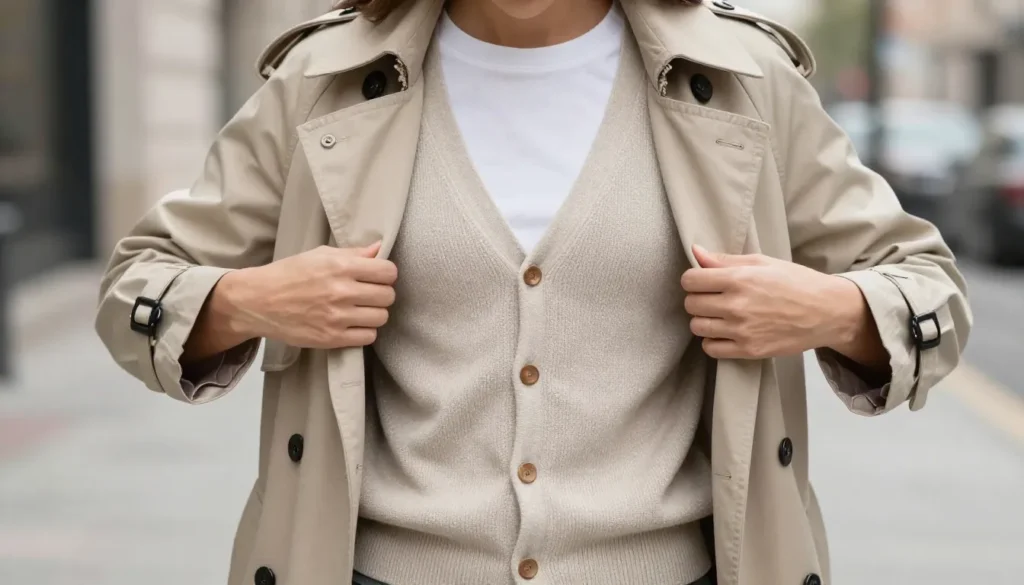
Dressing for this season is tricky because the weather can change a lot in a single day. You may start with 40-degree weather and end up in 65-degree sunshine by noon. The main challenges are staying comfortable during temperature swings, avoiding heavy winter looks while still being warm, and choosing the right shoes when it is not snowing but still too cold for sandals. The solution is to mix winter clothes with spring items instead of putting winter clothes away completely.
The Golden Rules of Transitional Layering

Layering is the most important trick for winter to spring outfits. It is not about wearing too many clothes, but about adding layers that you can remove when it gets warmer.
- The “Onion” Technique: Start with a lightweight base layer like a cotton t-shirt or camisole. Add a middle layer such as a cardigan, denim shirt, or thin sweater for warmth. Finish with an outer layer like a trench coat, leather jacket, or oversized blazer to protect from wind and rain.
- Fabric Mixing: Combine heavy winter fabrics with light spring fabrics. For example, wear a leather jacket over a lace skirt, a chunky knit over a slip dress, or a wool blazer with denim jeans.
- The “Third Piece” Rule: Your outerwear can also be the highlight of your outfit. Choose jackets that add style while keeping you warm, like trench coats or shackets.
Key Pieces for Your Transition Wardrobe
You do not need a whole new wardrobe. Some staples can help you through this season:

- Trench Coat: Lightweight, water-resistant, and stylish. Try classic beige or khaki, or choose spring colors like sage green. Belting it over a hoodie adds a casual, modern look.
- Midi Skirt: Offers coverage and airflow. Pair satin or pleated midi skirts with tall boots for warmth until it is warm enough for bare legs.
- Oversized Blazer: Works as a light jacket for mild days. Choose colors like camel, grey plaid, or pastels to brighten your look.

- Straight-Leg Jeans: Medium or light wash straight-leg jeans are a good middle ground between winter skinny jeans and summer trousers. Cropped lengths show off ankle boots or loafers.

- Cotton Sweater: Warmer than spring tops but breathable. Striped or plain cotton sweaters work well under jackets or trench coats.
Foolproof Outfit Formulas to Copy
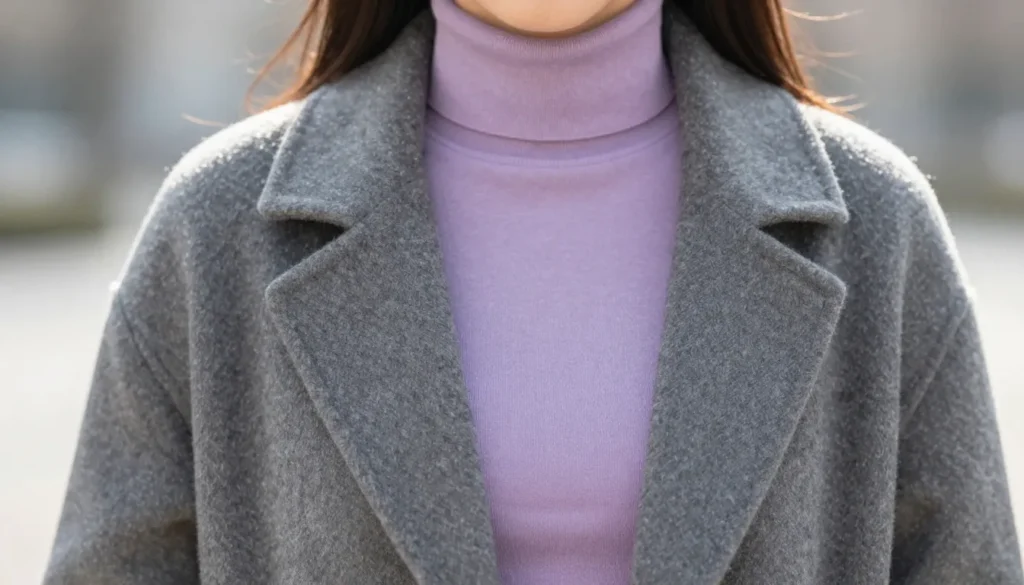
Some outfit combinations make transitional dressing easier:
- Dress Over Pants: Layer a midi dress over straight-leg jeans for a feminine look while staying warm.
- Sweater + Slip Skirt + Boots: Pair a chunky sweater with a silk midi skirt and knee-high boots for mixed textures and warmth.
- Trench + Hoodie + Leggings: Perfect for casual days, errands, or travel. The trench makes the outfit look polished while the hoodie keeps it comfortable.
- Blazer + T-Shirt + Jeans: A graphic tee tucked into jeans with an oversized blazer is simple, stylish, and easy to adjust as temperatures change.
Footwear: Stepping into Spring
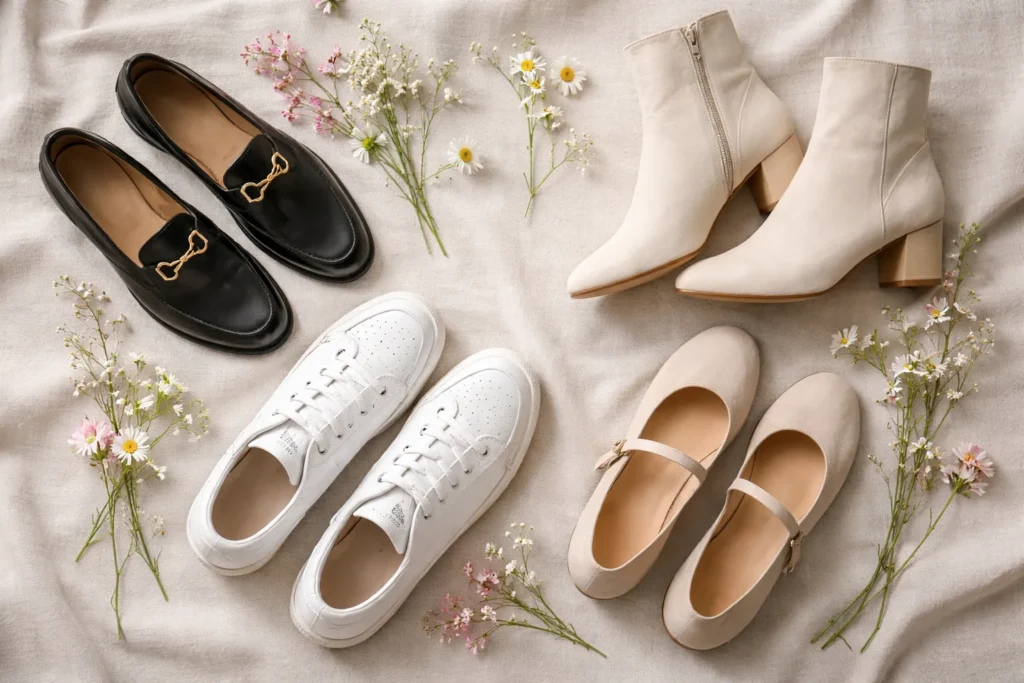
Choosing shoes during this season can be difficult:
- Loafers: Cover your feet and look polished. Fun socks add style.
- White Sneakers: Make any outfit feel fresher and more spring-like.
- Ankle Boots in Light Colors: Tan, beige, or cognac boots feel lighter than black and match spring clothes.
- Mary Janes: Trendy shoes that can be worn with socks or bare legs depending on the weather.
Integrating Spring Trends Early

You can start wearing spring trends before the season fully arrives:
- Pastels with Neutrals: Add colors like lilac or butter yellow in scarves, handbags, or a single layer.
- Sheer Fabrics: Layer sheer tops under sweaters or dresses to stay warm but show textures.
- Denim on Denim: Pair denim in different shades and finish with a neutral coat for a stylish, practical look.
Managing the “Winter Coat” Fatigue

By March, winter coats can feel boring. Try alternatives:
- Shackets (Shirt Jackets): Warm but lighter than winter coats.
- Leather Jackets: Protect against wind, and layering a hoodie underneath adds warmth.
- Vests: Keep your body warm while letting your arms move freely, perfect for active days.
Accessorizing for the In-Between
Accessories make transitional outfits look complete:
- Scarves: Lightweight cotton or silk scarves protect your neck while looking decorative.
- Hosiery: Sheer tights or fishnets add texture and warmth without feeling heavy.
- Socks: Ruffled or glittery socks with loafers or sneakers are stylish and practical.
Transitioning Your Work Wardrobe

Office dressing can be tricky with cold indoor temperatures:
- Shirt Dresses: Layer with a turtleneck and wear with tall boots for warmth.
- Sleeveless Vests/Waistcoats: Wear over long sleeves now, or alone later in spring.
- Lightweight Suiting: Swap wool for cotton or poly-blends. Soft colors like beige, grey, or blue feel spring-ready.
Conclusion
The time between winter and spring can be a chance to get creative with style. Combining winter and spring clothes lets you wear your favorite items year-round while staying comfortable. Focus on balance: warm but breathable layers, heavy and light fabrics, and dark colors with fresh spring tones. With these tips, your wardrobe will be ready for the first signs of spring.
Frequently Asked Questions (FAQs)
Q1: When should I start wearing transition outfits?
Transition outfits are usually worn from late February to early March. A good sign is when daytime temperatures reach above 45°F (7°C), even if nights are still cold. This is when you can start mixing your winter and spring clothes safely.
Q2: Can I wear white jeans in the transition period?
Yes! The old rule about “no white after Labor Day” doesn’t apply anymore. White jeans are perfect for this season because the denim keeps you warm, and the light color gives a fresh, spring-like look. Pair them with a camel sweater and brown boots for a stylish outfit.
Q3: How do I wear dresses without freezing?
The secret is layering with thermal pieces. Thin thermal tops or shorts can be worn under your dresses without being visible. Pair your dresses with tall boots to cover most of your legs. This way, you stay warm while still showing off spring styles.
Q4: Is it okay to wear suede in the rain?
Suede can get damaged if it gets wet. On rainy days, it’s better to wear leather or treated waterproof shoes. If you really want to wear suede, make sure it has been treated with a weatherproof spray to protect it from moisture.
Q5: What is the best coat for 50-degree weather?
For days around 50 degrees, trench coats or leather jackets are ideal. They block the wind and keep you warm without the heavy insulation of a winter puffer, so you stay comfortable without overheating.