

Nurse Outfit Guide: Combining Comfort, Style, and Functionality

Nursing is a demanding job that requires long hours, strong physical effort, and a lot of mental focus. What a nurse wears every day can make a big difference in comfort and performance. A nurse outfit is not just about following rules; it should combine comfort, usefulness, and personal style. Whether you are an experienced nurse or just starting your training, wearing the right clothes can help you feel better and work more effectively during long shifts. This guide explains how to choose the best nursing clothes, from fabrics to accessories, to create an outfit that works for your whole day.
The Evolution of the Nurse Outfit

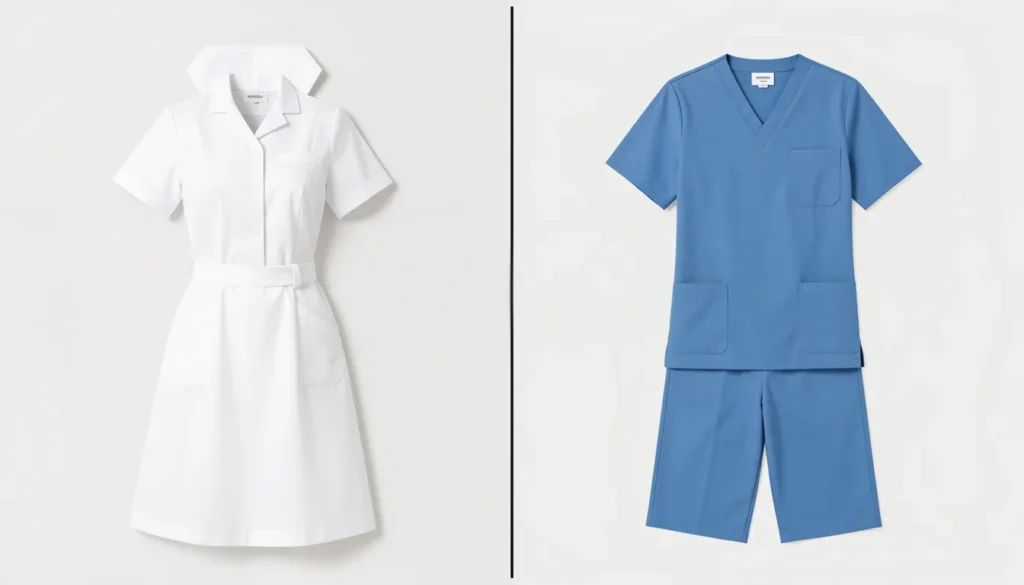
Nurse uniforms have changed a lot over time. The old image of nurses wearing white dresses, caps, and stockings is mostly gone now. In the past, uniforms were a symbol of cleanliness and discipline, but they were often uncomfortable and limited movement.
Later, scrubs became standard. They were originally green or blue to reduce strain on the eyes in surgery, but now they are worn in almost all healthcare settings. Modern scrubs are designed for all genders and focus on practicality rather than tradition. Today, nurse outfits include stretchy, high-tech fabrics, athletic cuts, and many colors and patterns. These changes reflect the physical demands of nursing, helping nurses move freely, stay cool, and keep clothes clean through frequent washing.
Choosing the Best Fabric for Your Scrubs
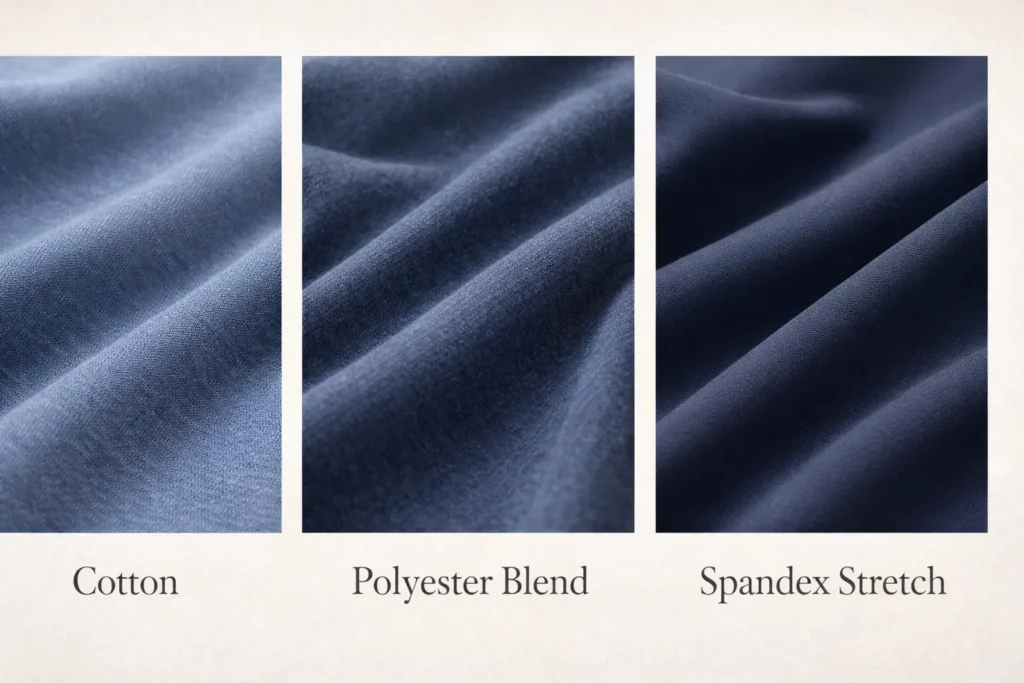
The material of scrubs is very important because nurses wear them for long hours in different temperatures. The wrong fabric can make you hot, itchy, or uncomfortable.
- Cotton is soft and breathable but wrinkles and fades easily.
- Polyester is strong, holds color, and resists wrinkles but can trap heat if it is cheap.
- Spandex/Elastane adds stretch, allowing bending, squatting, and moving without ripping.
- Rayon gives a smooth, soft feel and makes scrubs more comfortable.
Performance blends that mix polyester, rayon, and spandex are ideal. They are durable, soft, stretchy, and often help wick away sweat. Some scrubs even have special fabrics to reduce bacteria and odors, which is very useful in hospitals.
Finding the Perfect Fit

Wearing scrubs that do not fit well can be uncomfortable and even unsafe. Too much fabric can catch on equipment, and tight clothes can limit movement.
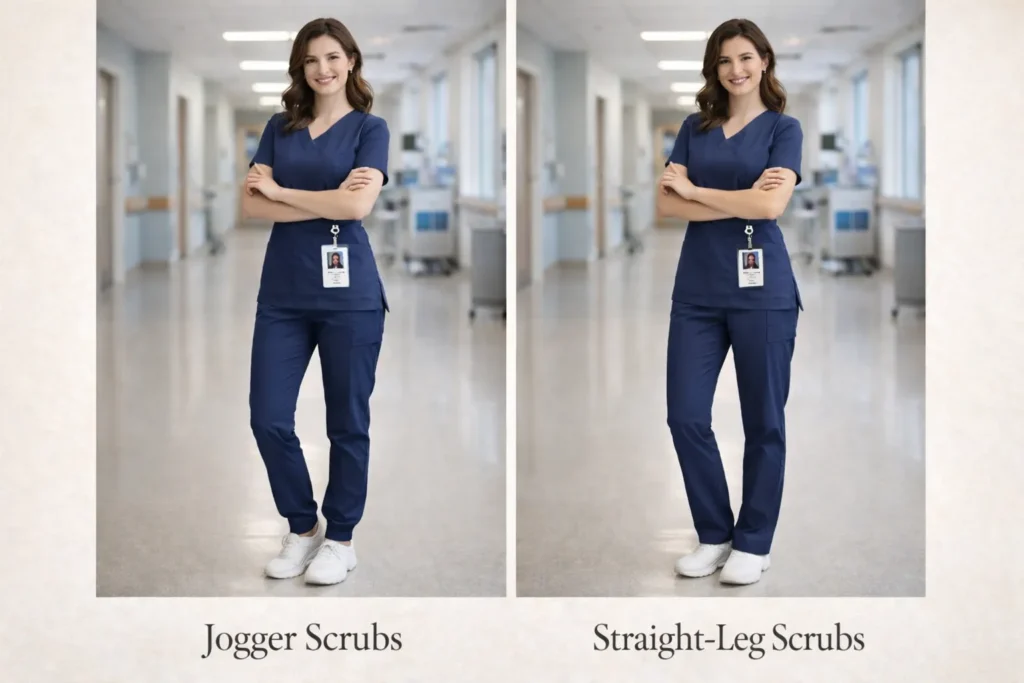
- Modern Fit follows your body shape without being tight.
- Jogger Scrubs have cuffed ankles, keeping pants from dragging and adding a sporty look.
- Straight Leg scrubs are classic and allow airflow, but the length must be right.
- Maternity Scrubs have stretchy panels for pregnant nurses to stay comfortable.
It is important to measure yourself because sizes differ across brands. Consider waist height, pant length, and overall fit for comfort and safety.
Essential Components of a Complete Nurse Outfit

A nurse outfit is more than just scrubs. It includes layers and accessories to help you work efficiently.
The Underscrub Layer
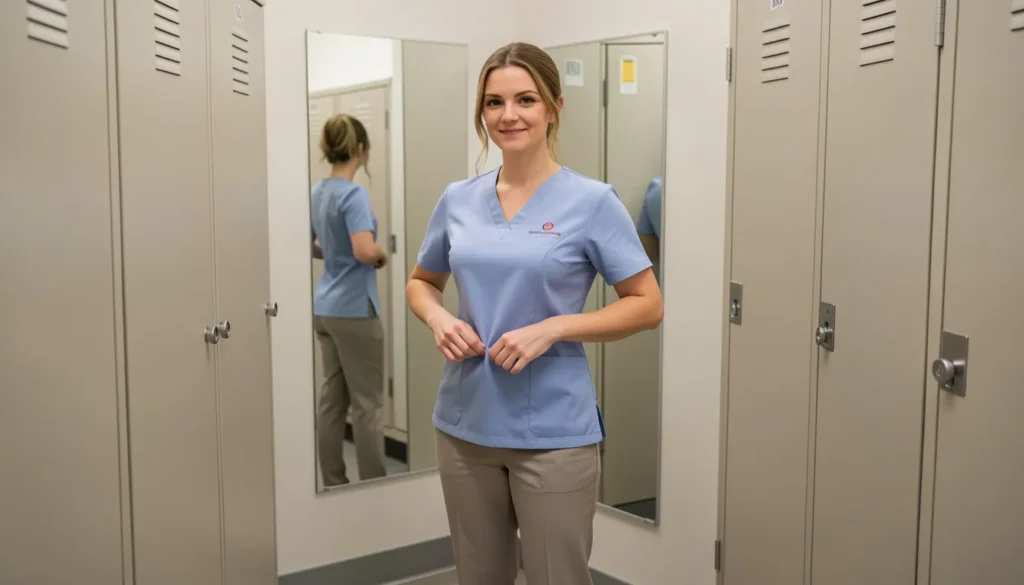
Hospitals can be very cold. Wearing a long-sleeve, moisture-wicking undershirt under scrubs helps regulate temperature. Neutral colors like black, white, or grey work best, and matching your scrubs can create a neat look.
The Scrub Jacket
A scrub jacket adds warmth when the undershirt is not enough. Look for jackets with deep pockets, soft zipper guards, and ribbed cuffs. Bomber-style jackets give a modern look, while warm-up jackets offer a classic style.
Compression Socks
Nurses stand for many hours, and compression socks help improve circulation, reduce swelling, and prevent leg fatigue. They also come in fun designs that let nurses show some personality.
Footwear: The Foundation of Your Shift
Good shoes are very important because nurses walk and stand for long periods.
- Nursing Clogs provide strong support, reduce fatigue, and are easy to clean.
- Athletic Sneakers are soft, flexible, and supportive but can be harder to clean if made of mesh.
Shoes should have slip-resistant soles, arch support, a wide toe box, and protection against spills.
Accessorizing for Functionality
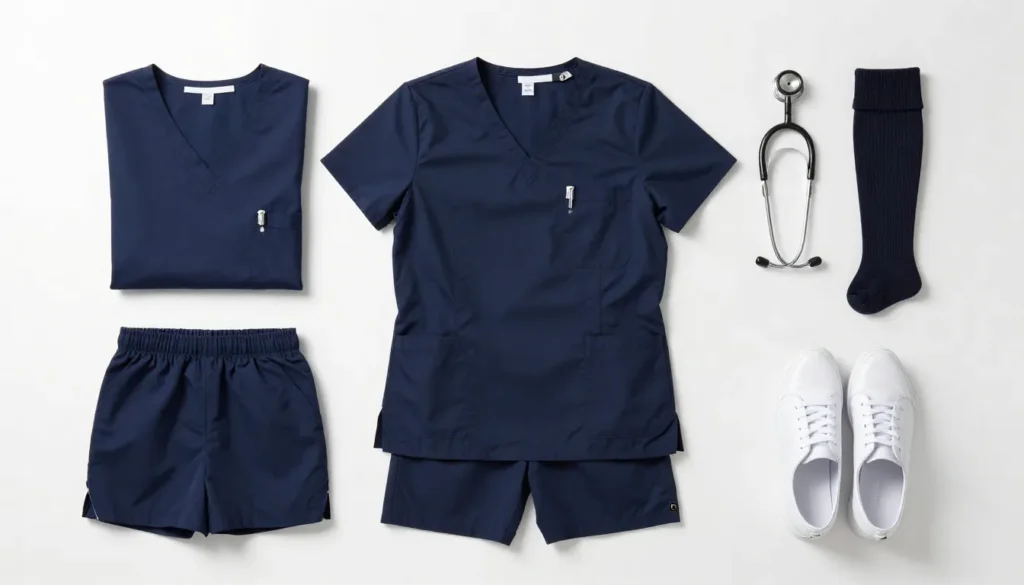
Accessories are not just for looks—they help nurses do their job.
- Stethoscope can match scrubs and sometimes be personalized.
- Watches track time for medications and vitals. Smartwatches and fob watches are both useful.
- Badge Reels hold ID badges and can show personality with fun designs.
- Scrub Caps protect hair in surgery or procedural areas, with breathable fabrics and buttons for mask loops.
Caring for Your Scrubs
Proper care keeps scrubs professional and long-lasting. Wash in cold water, turn them inside out, avoid fabric softener, and use hot water or sanitizer when needed to kill germs.
Conclusion
Choosing the right nurse outfit is an investment in comfort, health, and professionalism. The right fabrics, shoes, and accessories help nurses focus on patient care without distractions. Experimenting with styles and brands helps find a combination that makes each nurse feel strong, confident, and ready to handle long shifts.
Frequently Asked Questions (FAQs)
Q1: What color scrubs do nurses usually wear?
Scrub colors depend on the hospital or department. Common colors are royal blue, navy, hunter green, and maroon. Some hospitals assign colors to different roles, like RNs in navy or CNAs in burgundy, to make staff easier to identify.