A Guide to Traditional Indian Outfits & Modern Ethnic Wear
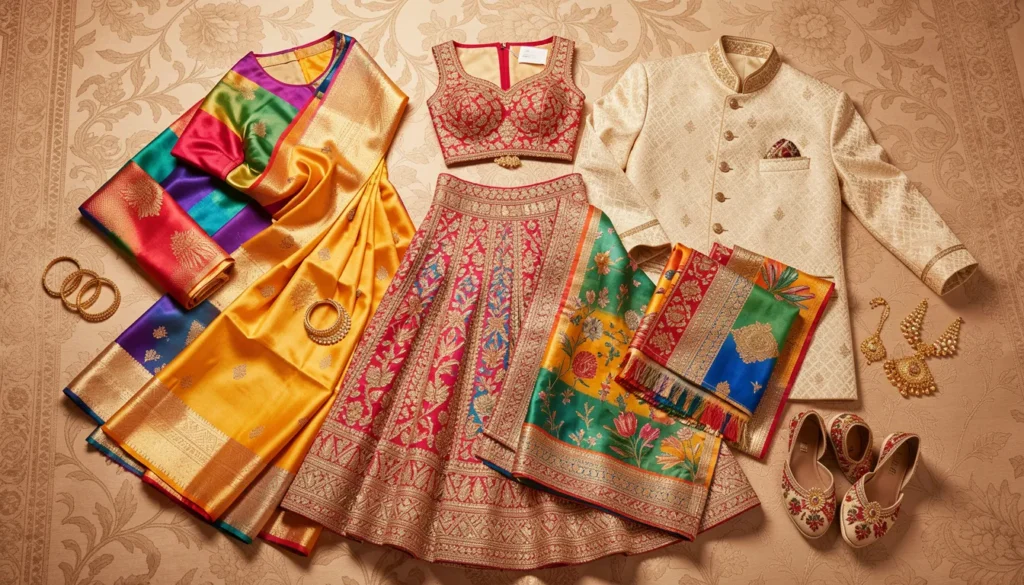
Indian fashion is known for its deep cultural roots, bright colors, and beautiful designs. Traditional Indian outfits are not only clothing pieces but also a reflection of history, culture, and artistic skills passed down through generations. Many of these garments have been worn for centuries and still remain important in modern fashion today.
Indian ethnic wear is often chosen for special occasions like weddings, festivals, and family celebrations. The fabrics, embroidery, and detailed work used in these outfits make them stand out in the world of fashion. Each piece carries a sense of tradition while also allowing people to express their personal style.
This guide introduces some of the most well-known Indian garments and explains the fabrics, colors, and design details that make them special. It also shares simple ideas on how these outfits can be styled for different events and everyday wear.
The Cornerstones of Indian Ethnic Wear for Women
Women’s clothing in India includes a wide variety of styles. These styles often change depending on the region, local traditions, and cultural influences. However, some outfits have become widely recognized and are worn across the country.
These garments are loved not only for their beauty but also for their versatility. Many of them can be styled in different ways, which allows women to wear them at weddings, festivals, family gatherings, or even casual events. Over time, designers have also introduced modern touches while keeping the traditional look intact.
The Saree: An Icon of Elegance
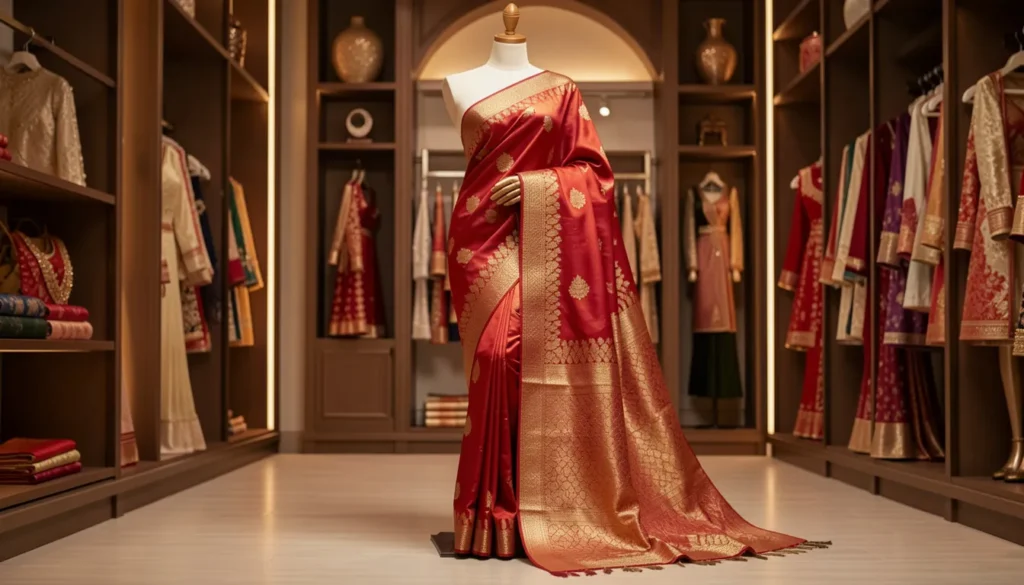
The saree is one of the most recognized traditional garments in Indian fashion. It is made from a long piece of fabric that is wrapped around the body in a graceful and elegant way. The length of the fabric usually ranges from five to nine yards. It is worn with a fitted blouse, called a choli, and an inner skirt known as a petticoat.
One of the most unique things about the saree is the variety of draping styles. There are many ways to wear it, and each style reflects a different region or tradition. The most widely used style is the Nivi drape, which started in Andhra Pradesh. Other well-known styles include the Bengali drape, the Gujarati seedha pallu, and the Maharashtrian Nauvari.
The type of fabric used also plays an important role in how the saree looks and feels. For daily use, light fabrics such as cotton and georgette are commonly worn because they are comfortable and easy to manage. For special occasions, richer fabrics like Banarasi silk, Kanjeevaram silk, and Mysore silk are popular. These often feature detailed zari work, which uses gold or silver threads to create beautiful patterns.
In modern fashion, the saree has also evolved. Designers have introduced ready-to-wear versions that are easier to drape. Some styles include belts or unique blouse designs such as off-shoulder or collared blouses, giving the saree a modern and stylish appearance.
The Lehenga Choli: Fit for a Celebration
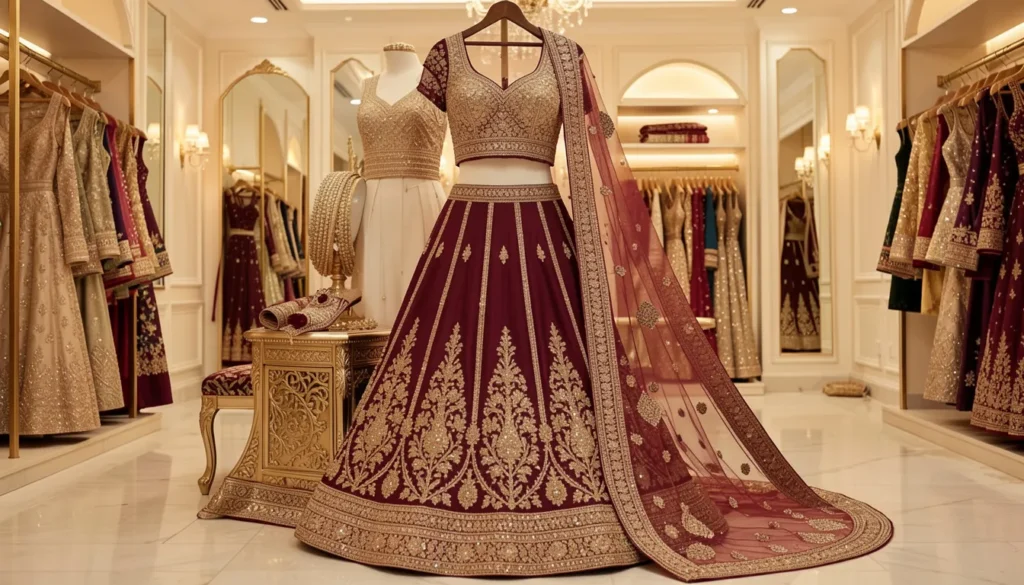
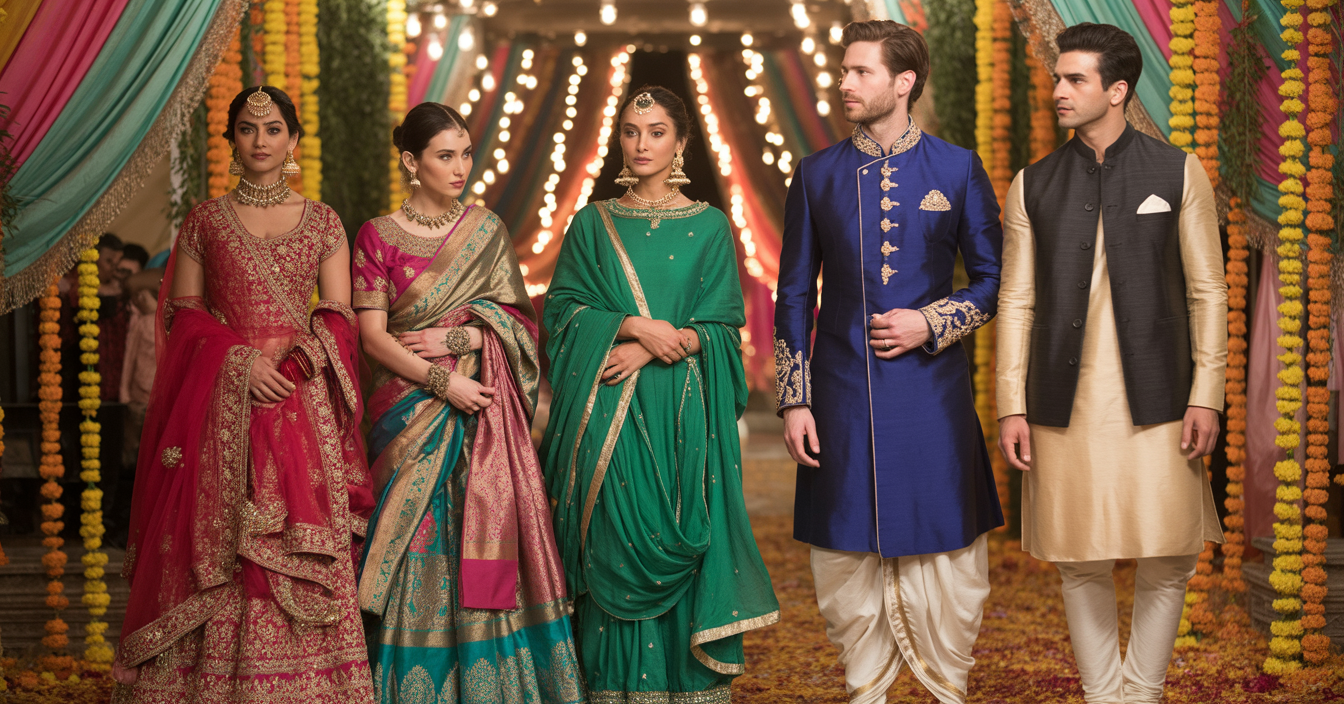
The lehenga choli is another well-known outfit often worn during celebrations. It is especially popular at weddings, festivals, and large family events. This outfit usually consists of three parts that come together to create a complete and elegant look.
The first piece is the lehenga, which is a long skirt. It can be designed in many shapes, such as A-line, flared, or fishtail styles. The second part is the choli, a fitted blouse that is usually cropped and designed to match the skirt. The final piece is the dupatta, which is a long scarf that is draped over the shoulder or sometimes over the head.
Lehengas are often decorated with detailed work such as embroidery, sequins, mirror work, and zardozi designs. Because of these decorations, the outfit often appears rich and grand. The shape and flow of the skirt also add a dramatic effect, which is why it is a popular choice for brides and wedding guests.
The Salwar Kameez and Anarkali Suit
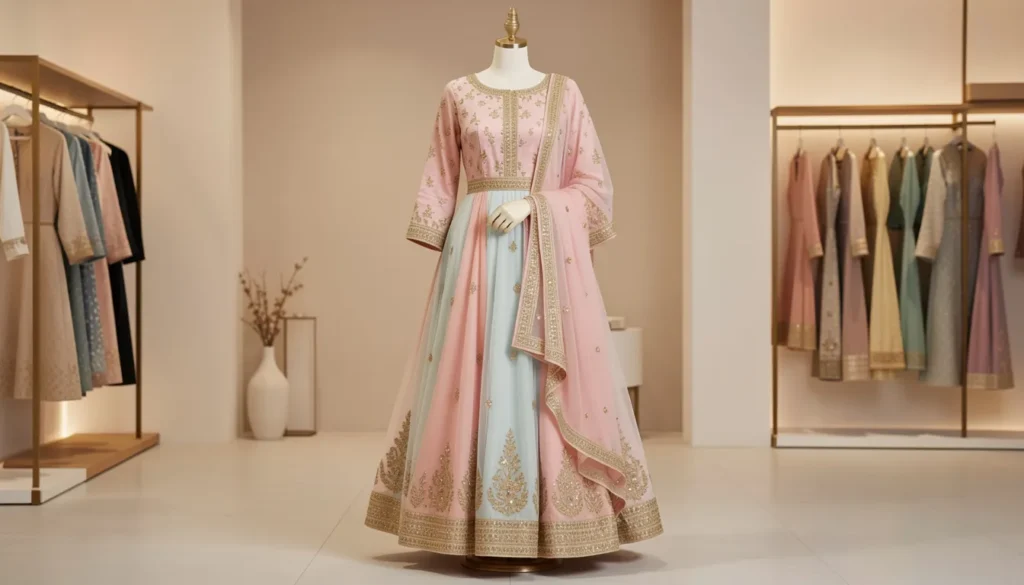
The salwar kameez is one of the most comfortable and widely worn outfits in South Asia. It is known for its simple yet elegant style and can be worn for both everyday use and special events.
This outfit usually includes a kameez, which is a long tunic or top. It is paired with salwar trousers, which are loose at the top and narrow at the ankles. Many women also wear a dupatta with the outfit to complete the look.
A well-known variation of this outfit is the Anarkali suit. In this style, the top is long and shaped like a frock. It is fitted around the upper body and then flows outward as it reaches the bottom. This top is usually paired with slim trousers called churidar. The design creates a graceful and elegant shape, making it a popular choice for semi-formal events and festive occasions.
The Kurta and Kurti
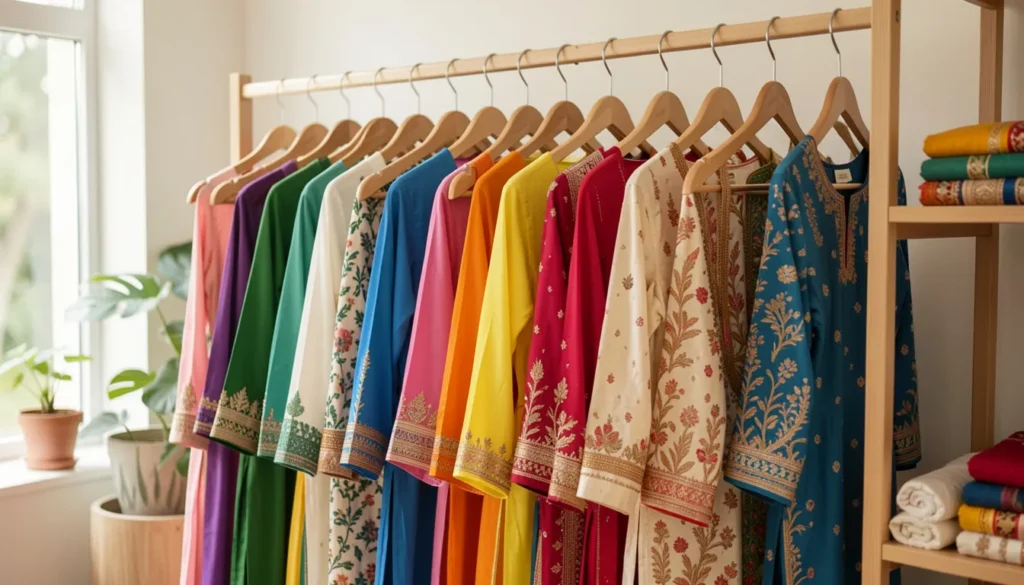
The kurta is a long, loose shirt that is worn by both men and women. It is simple, comfortable, and suitable for many occasions. Because of its relaxed style, it has become a common part of everyday clothing in many parts of South Asia.
A kurti is a shorter version of the kurta and is worn mainly by women. It usually reaches the hips or waist and can be paired with many different types of bottoms. Some women wear kurtis with jeans, while others choose leggings, palazzos, or skirts.
This flexibility makes the kurti a popular option for casual fashion. It combines traditional design with modern comfort, allowing people to create stylish outfits for daily wear.
Key Indian Outfits for Men
Traditional clothing for men in India also includes a variety of elegant and comfortable styles. These outfits are often worn during weddings, festivals, and cultural celebrations. They are designed to combine traditional elements with a polished and formal appearance.
Many men choose these outfits because they reflect cultural heritage while still looking stylish. The fabrics, embroidery, and tailoring used in these garments help create a refined and impressive look.
The Sherwani: The Epitome of Royal Attire
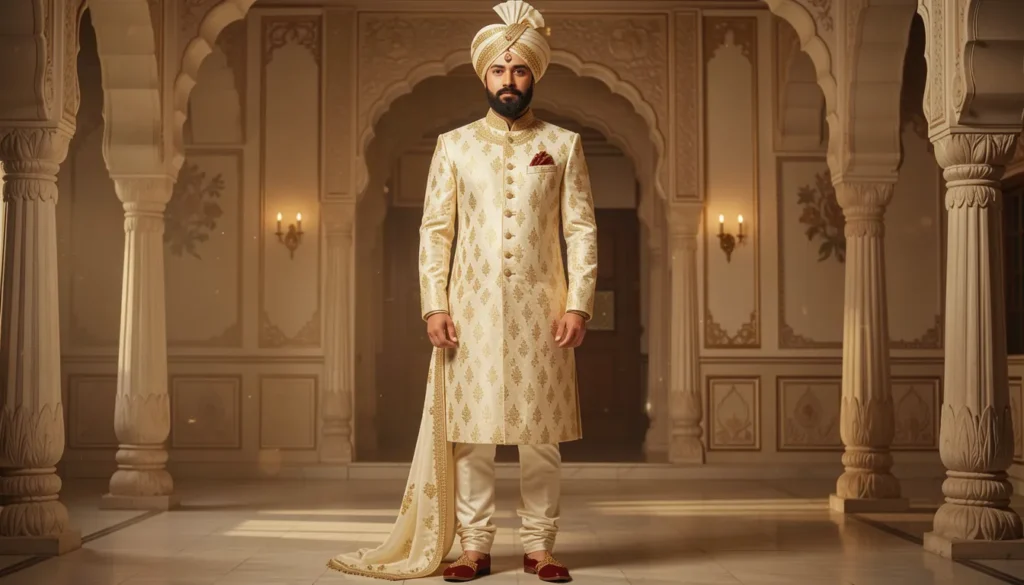
The sherwani is one of the most formal traditional outfits for men. It is a long coat-like garment that is buttoned up to the collar and usually extends below the knees. The sherwani is typically worn over a kurta and paired with churidar trousers or dhoti pants.
This outfit is often made from rich fabrics such as silk or brocade. Many sherwanis feature detailed embroidery and decorative patterns, which give them a royal and elegant appearance.
Because of its grand style, the sherwani is a very popular choice for grooms at Indian weddings. It creates a strong and traditional look that suits the importance of the occasion.
The Kurta Pajama
The kurta pajama is one of the most common traditional outfits for men. It consists of a long kurta paired with loose trousers called pajama. This outfit is comfortable and simple, which makes it suitable for many different events.
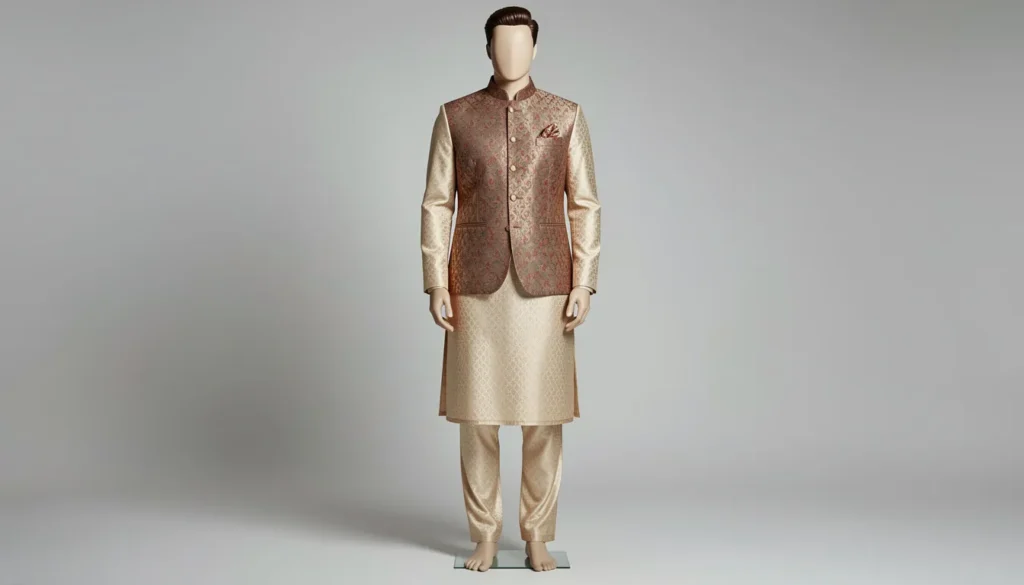
For a more polished appearance, many men add a Nehru jacket over the kurta. This sleeveless jacket has a mandarin collar and fits closely to the body. When combined with the kurta and pajama, it creates a stylish three-piece outfit.
This look is often worn during festivals such as Diwali or during pre-wedding celebrations like a Sangeet. It is both traditional and fashionable at the same time.
The Dhoti and Bandhgala
The dhoti is another traditional garment for men. It is an unstitched piece of fabric that is wrapped around the waist and legs. It is usually worn with a kurta and is commonly seen in rural areas and during religious ceremonies.
The Bandhgala, also known as the Jodhpuri suit, is a formal outfit that blends Indian and Western styles. It features a tailored jacket with a mandarin collar and is worn with trousers. The design is clean and structured, giving it a refined and sophisticated look.
This outfit is often chosen for formal gatherings and special occasions where a traditional yet modern appearance is preferred.
Fabrics, Colors, and Craftsmanship
Indian outfits are known for their detailed craftsmanship. The beauty of these garments often comes from the combination of fabric, color, and handwork done by skilled artisans.
Every region in India has its own textile traditions. These fabrics are created using techniques that have been practiced for generations. The care and effort that go into making these textiles help turn each outfit into a unique piece of art.
A World of Textiles
India has a long history of producing different types of fabrics. Many regions specialize in unique weaving methods that create distinctive patterns and textures.
Banarasi silk is known for its rich brocade designs and the use of gold and silver threads in its patterns. Kanjeevaram silk is famous for its strong fabric, bright colors, and motifs inspired by temple architecture. Chanderi fabric is light and slightly sheer, giving it a delicate and luxurious feel.
Another well-known technique is Bandhani, a traditional tie-dye method from Gujarat and Rajasthan. This process creates detailed patterns by tying sections of fabric before dyeing them.
The Symbolism of Color
Colors play an important role in Indian culture and are often chosen based on their meaning. Different colors are associated with different emotions, traditions, and events.
Red is commonly linked with love, prosperity, and celebration. Because of this meaning, it is the most popular color for bridal outfits. Yellow and orange are connected with happiness and new beginnings, which is why they are often worn during festivals and pre-wedding ceremonies.
Green is associated with nature, fertility, and harmony. White represents purity, although it is also linked with mourning in certain situations. These meanings influence how colors are chosen for clothing during different occasions.
How to Style Indian Outfits for Any Occasion
Wearing Indian clothing is not only about the garments themselves but also about how they are styled together. The right combination of clothing, accessories, and footwear helps create a complete and balanced look.
For weddings, women often choose richly decorated lehengas or silk sarees. Men may wear a sherwani or a Bandhgala suit to match the formal atmosphere. Bright colors and statement jewelry are commonly used for these celebrations.
During festivals such as Diwali, outfits that are festive but slightly lighter are preferred. Women might wear an Anarkali suit, a stylish kurta set, or a lighter lehenga. Men often choose a kurta pajama paired with a colorful Nehru jacket.
For everyday wear, simple outfits are more practical. A cotton kurti paired with jeans or palazzo pants is a comfortable option that still keeps a traditional touch.
Accessories also play a big role in completing the outfit. Earrings such as jhumkas, stacks of bangles, a decorative bindi, and statement necklaces can enhance the overall look. Traditional footwear like mojaris or juttis pairs well with most ethnic outfits.
Conclusion
Indian outfits provide a wide range of styles that combine tradition, color, and craftsmanship. Each garment carries a sense of cultural history while also offering space for personal style and creativity.
From the elegant saree to the formal sherwani, these outfits continue to remain important in both traditional and modern fashion. As more people around the world become interested in these designs, the popularity of Indian ethnic wear continues to grow.
By learning about the different garments, fabrics, and styling ideas, anyone can choose an outfit that suits their event and personal taste while appreciating the cultural beauty behind these designs.
Frequently Asked Questions (FAQs)
Q1: What do you wear to an Indian wedding as a guest?
Women can wear outfits such as a lehenga, an Anarkali suit, or a saree. It is generally better to choose bright and festive colors instead of black or white. Men can wear a kurta set with a Nehru jacket or a simple suit. Guests should also avoid dressing more elaborately than the bride or groom.
Q2: Can non-Indians wear Indian outfits?
Yes, people from any background can wear Indian clothing. It is usually seen as a positive sign of respect and appreciation for the culture, especially when the outfits are worn during weddings, festivals, or cultural events.
Q3: What is the difference between a kurta and a kameez?
A kameez is traditionally part of a salwar kameez outfit and is usually more structured in its design. A kurta is a more general tunic that can be paired with many types of bottoms, including jeans, and is often worn in a more casual way.
Q4: How do you care for heavily embroidered Indian clothes?
Clothing that includes heavy embroidery or delicate fabrics should usually be dry-cleaned. It is also helpful to store these garments by wrapping them in a muslin cloth to protect the fabric and prevent damage or discoloration over time.