The Evolution and Impact of Canadian Olympic Outfits
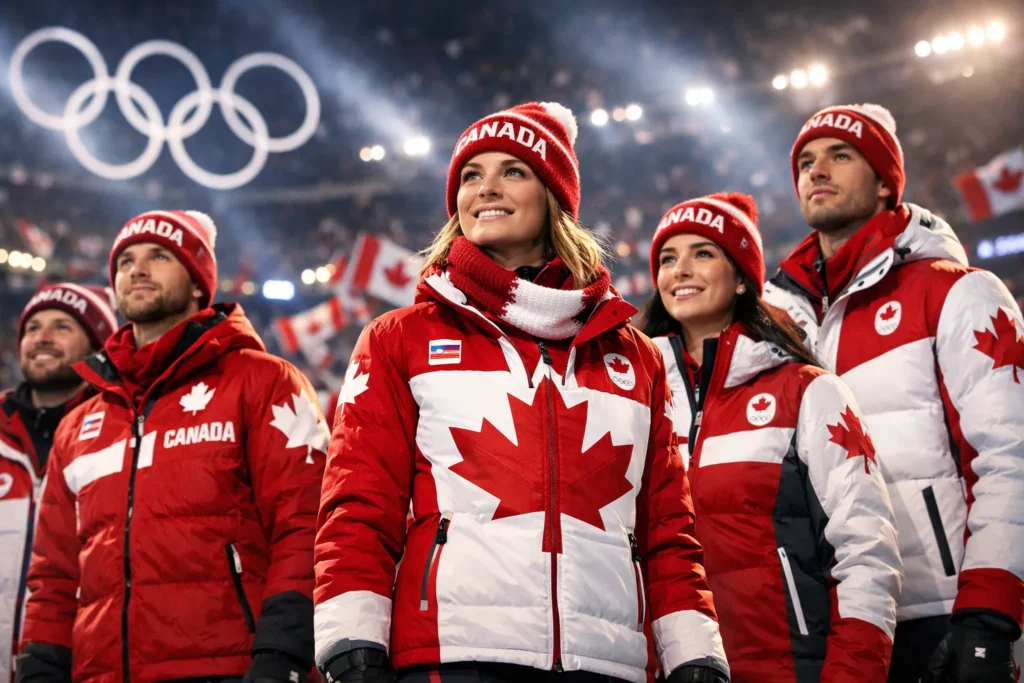
When athletes from around the world gather for the Olympic Games, people do not only focus on the competitions. The opening ceremony also becomes a moment when every country presents its style to the world. Canada’s Olympic outfits often stand out and attract attention from fans, media, and fashion experts. From the well-known red mittens to modern athletic clothing, these outfits show Canada’s pride, culture, and creativity.
For athletes, wearing the national uniform means much more than just clothing. It represents years of training, hard work, and dedication. For people watching at home, these outfits create a strong feeling of connection with their team and country. Over time, the design of these uniforms has changed a lot. What started as simple sports clothing has slowly become advanced apparel that mixes comfort, technology, and modern fashion.
This guide looks at the history of Canadian Olympic outfits and how they have changed through the years. It also explores the brands behind the designs, the technology used in modern gear, and how these outfits represent the spirit and identity of Canada.
A History of Canadian Olympic Outfits
To understand the modern outfits worn by Canadian athletes today, it is important to look at how they developed in the past. The clothing worn by Team Canada has changed many times over the years, reflecting changes in sportswear, fashion, and national expression.
The Early Days: Function Over Fashion
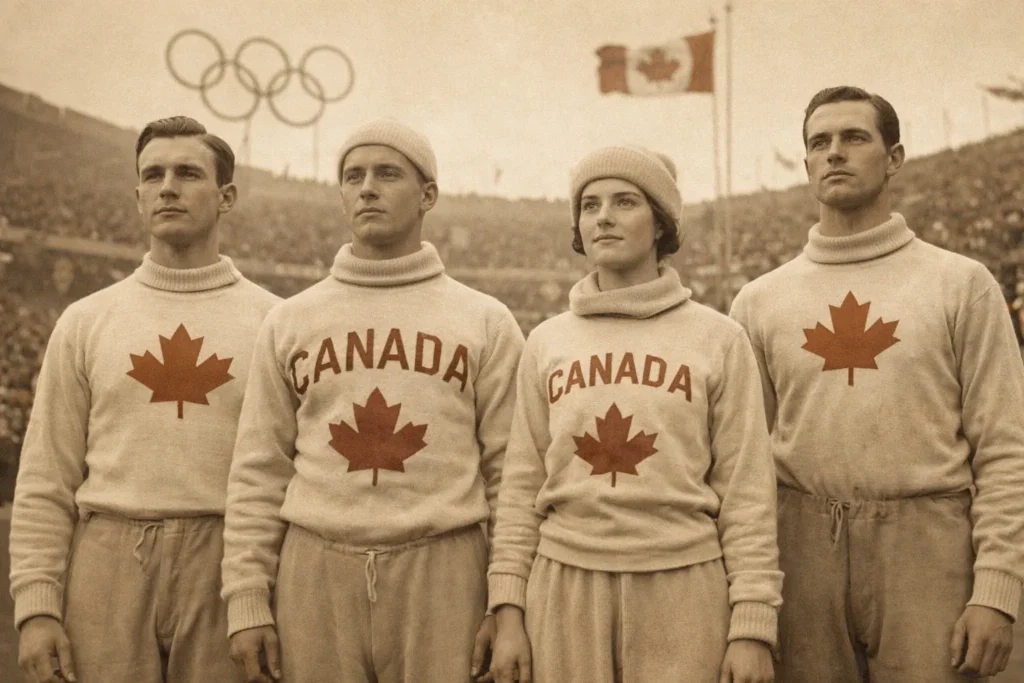
During the early and middle parts of the twentieth century, Olympic clothing focused mainly on basic function. The goal was to keep athletes warm and comfortable rather than making a strong fashion statement. At that time, athletes usually wore thick wool sweaters, heavy tracksuits, and simple cotton shirts.
Branding was very minimal in those years. Most clothing only showed a small maple leaf or the word “Canada” stitched across the chest. Designers also did not create separate outfits for different sports. Athletes from completely different events often wore the same heavy outerwear.
The color choices were also simple. Red and white were present, but uniforms often included other colors like navy blue and grey. These early outfits were practical, but they did not yet show the bold style seen today.
The Turning Point: The 1970s and 1980s
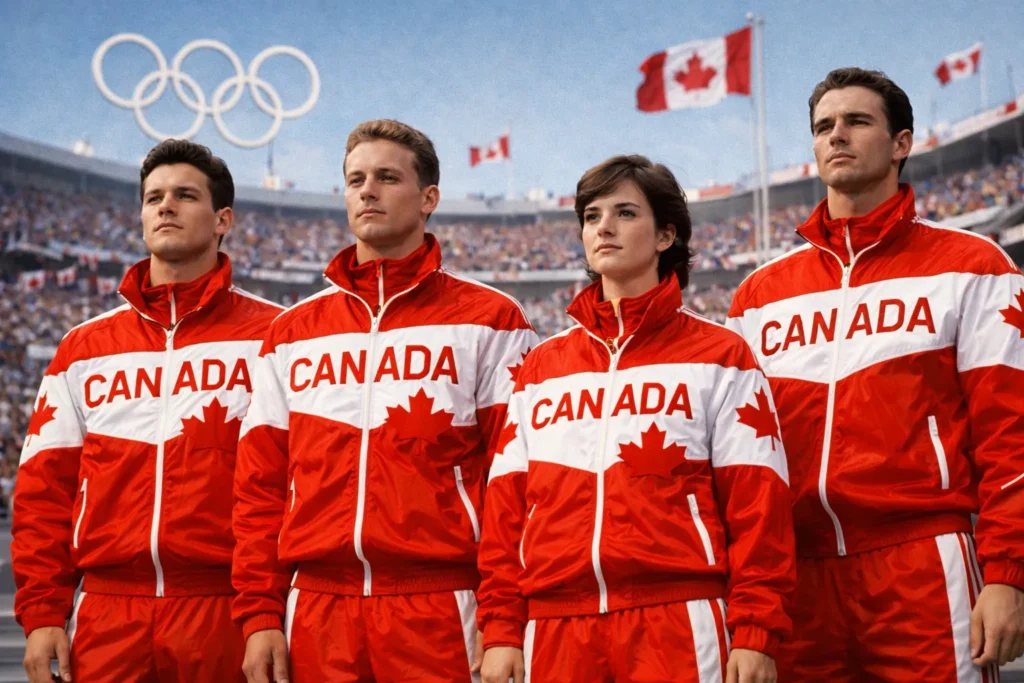
A major change happened in the 1970s and 1980s when television started bringing the Olympic Games into homes around the world. Because millions of people could now see the athletes clearly on screen, the appearance of uniforms became more important.
During this time, new materials such as nylon and polyester were introduced. These fabrics allowed designers to use brighter colors and create clothing that handled weather better. The new materials were lighter and more flexible than the heavy fabrics used before.
One memorable moment came during the 1988 Winter Games in Calgary. Canadian athletes wore bright red coats with white fringe, which created a bold and recognizable look. This moment showed that Olympic clothing could be both practical and visually striking.
The Hudson’s Bay Era (2000s–2010s)
For many years, the Hudson’s Bay Company was responsible for designing Team Canada’s Olympic outfits. During this period, the brand created several pieces that became famous across the country.
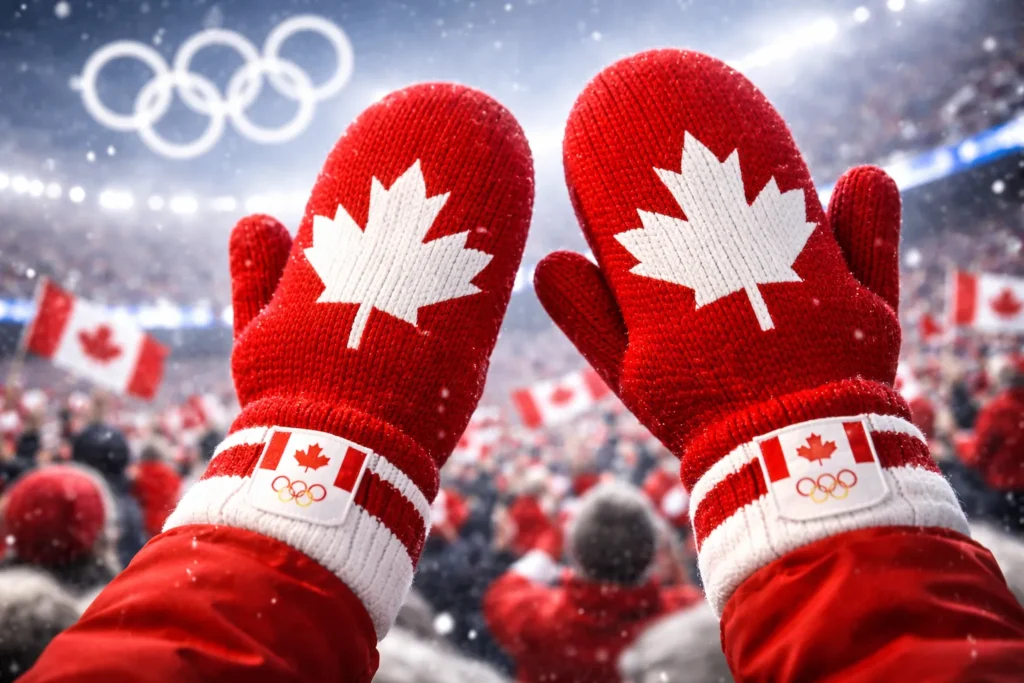
One of the most memorable items was the red mitten released for the 2010 Winter Games in Vancouver. These mittens, decorated with a white maple leaf, quickly became a national symbol. Millions of Canadians bought them and wore them to show support for their athletes during the home games.
The company also used many traditional Canadian design ideas. Their collections included thick knit sweaters, plaid flannel patterns, and bold blocks of color. These designs connected the outfits to Canada’s heritage and outdoor culture.
Another design that gained global attention appeared during the delayed Tokyo 2020 Games. The closing ceremony outfit included customized denim jackets with graffiti-style designs. Some people loved the bold look, while others debated it, but it quickly became a widely discussed fashion moment.
The Lululemon Era: Modernizing Team Canada
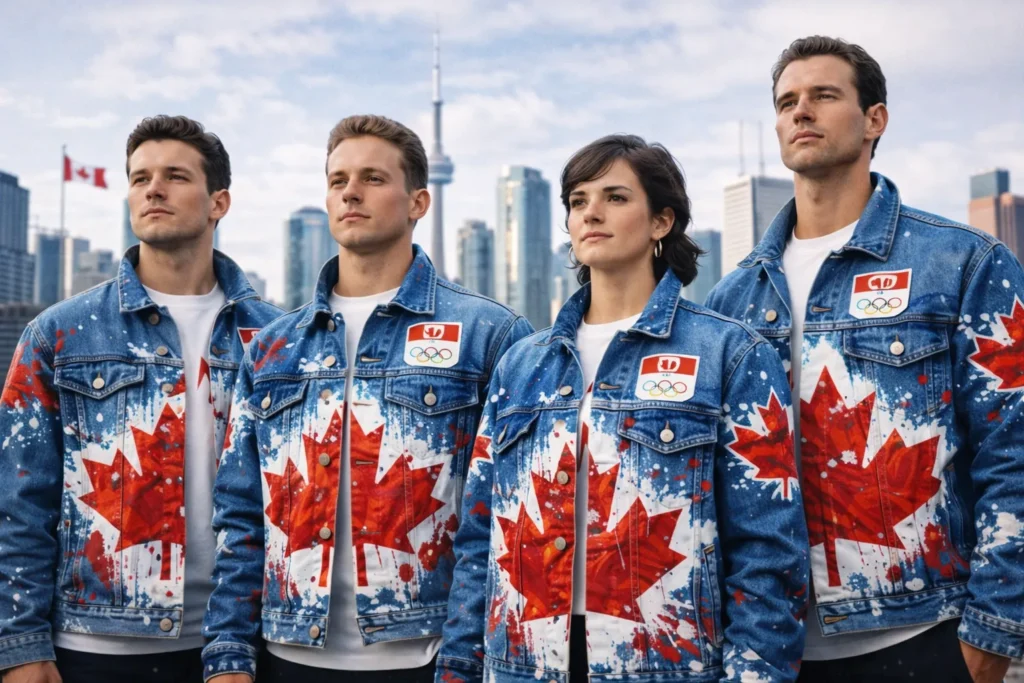
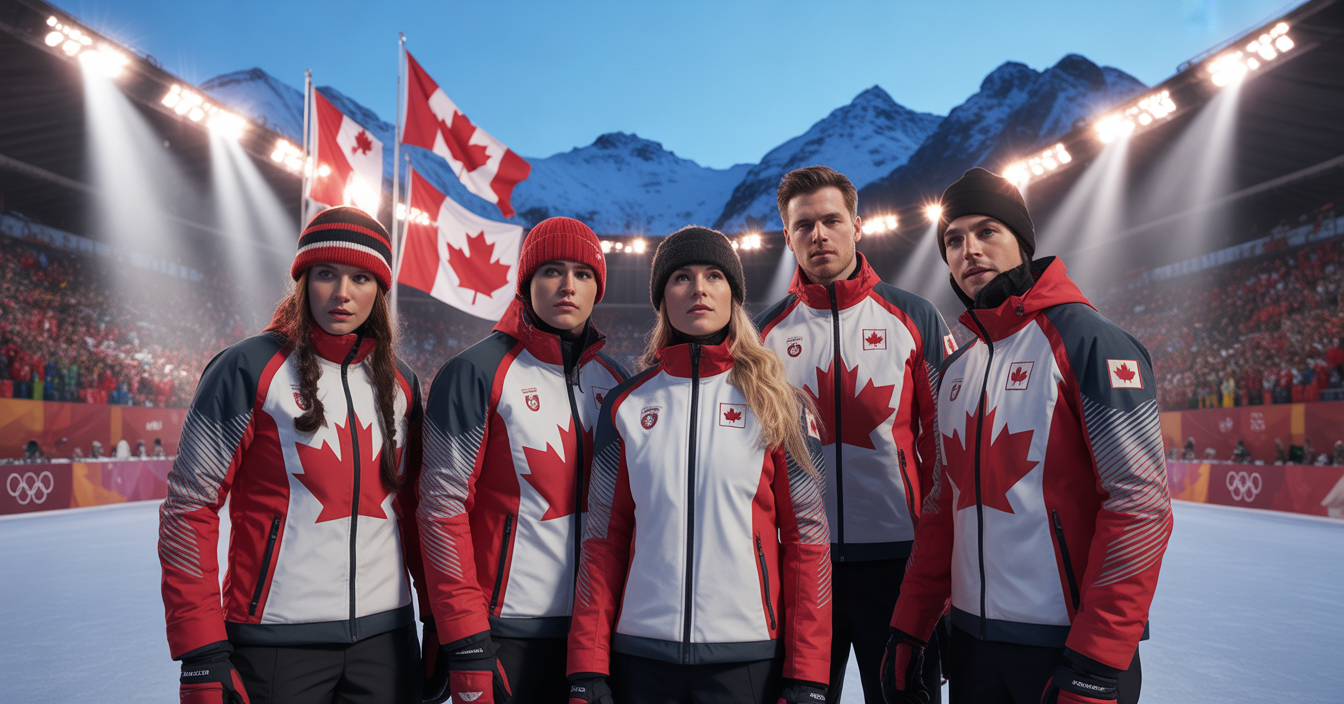
A new chapter began in 2021 when the Canadian Olympic Committee announced a partnership with the athletic brand Lululemon. The company started designing Team Canada’s outfits for the 2022 Winter Games in Beijing and will continue through the 2028 Summer Games in Los Angeles.
This partnership brought a fresh direction to Canadian Olympic fashion. The designs focused more on modern athletic clothing that combines performance with everyday style.
The Transition to Premium Athleisure
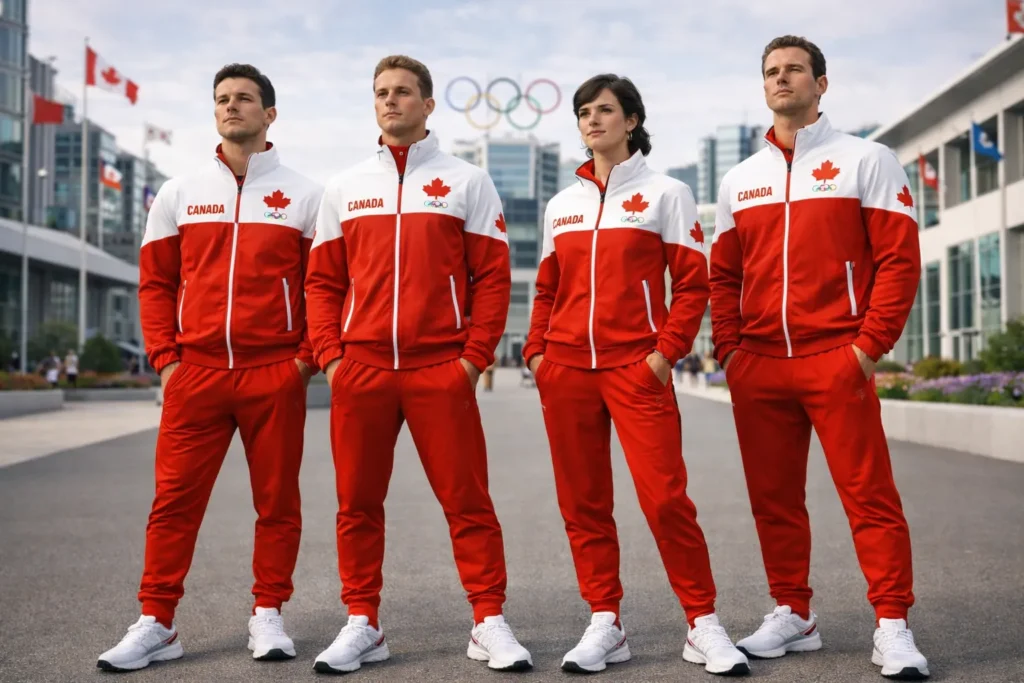
Lululemon introduced a sleek and modern look to the Olympic wardrobe. Instead of traditional heavy knitwear, the focus shifted toward high-quality athleisure clothing. These outfits are designed to work well during training but also look stylish in everyday situations.
This approach allows athletes to move easily between different activities during the games. They can wear the same clothing while warming up, attending events, or speaking with the media. The designs balance comfort, performance, and style.
Designing for Inclusivity and Accessibility
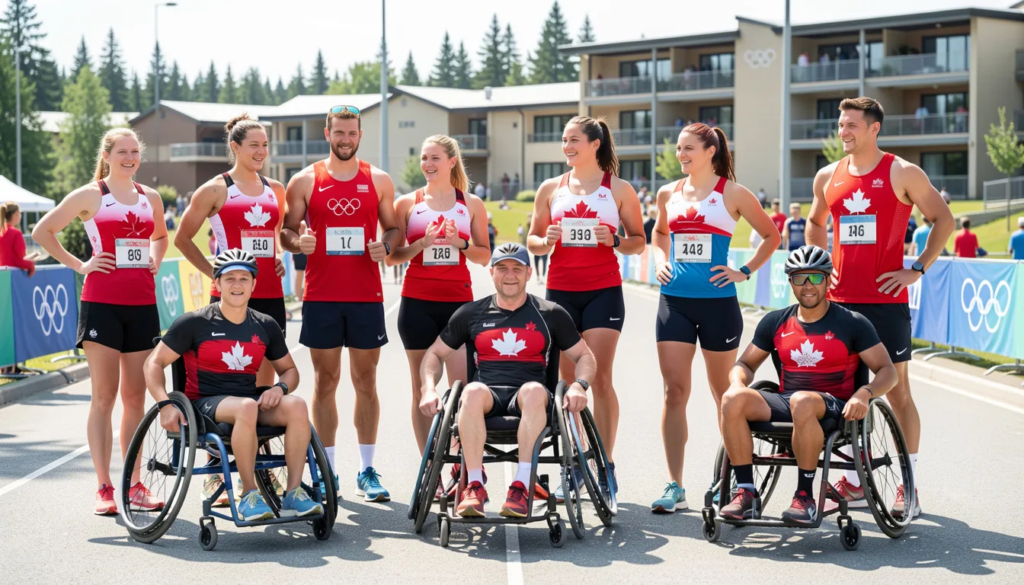
One of the biggest improvements in recent years has been the focus on inclusive design. Designers work closely with both Olympic and Paralympic athletes to make sure the clothing works well for many different body types and needs.
Some jackets include magnetic closures and large zipper pulls so athletes with limited hand movement can use them easily. Pants and tops are also shaped differently for wheelchair users so the fabric sits comfortably while seated.
Designers also consider sensory comfort. They use smooth seams and soft fabrics to make sure athletes who are sensitive to certain textures can wear the clothing comfortably.
Sustainable Materials and Future-Forward Tech
Modern Olympic athletes care about the environment, and this has influenced the materials used in their clothing. Many pieces now use recycled fibers made from materials such as repurposed nylon and ocean plastics.
Designers are also experimenting with plant-based materials and more sustainable fabric options. These choices help reduce the environmental impact of producing the clothing.
Another important development is thermal mapping technology. Designers study how the body produces heat and then place breathable fabric in warmer areas while adding insulation where the body gets cold more quickly. This creates clothing that keeps athletes comfortable in changing weather conditions.
Key Elements of Team Canada’s Wardrobe
Athletes do not receive only one outfit for the Olympic Games. Instead, they are given a full wardrobe with many different pieces designed for different moments during the event.
The Opening Ceremony Look
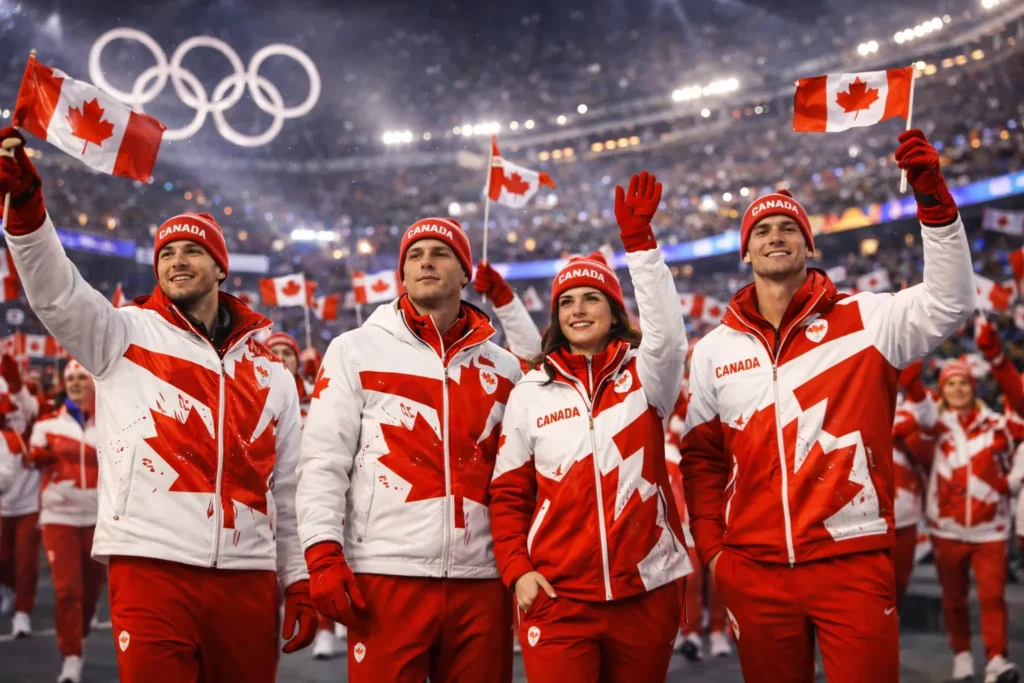
The opening ceremony outfit is one of the most important pieces in the collection. This is the outfit worn when athletes walk into the stadium during the official start of the games.
Because it is seen by millions of people, the design is usually bold and eye-catching. It may include strong prints, unique layering, or striking color combinations.
These outfits also need to be practical. Opening ceremonies can last several hours and often take place outdoors, so the clothing usually includes removable layers or adjustable parts to handle different weather conditions.
Podium Wear: Celebrating Success

When Canadian athletes win medals, they wear special clothing for the podium ceremony. These outfits are designed to look clean and simple so that the main focus remains on the athlete, the medal, and the national flag.
Designers also choose fabrics that look good under bright stadium lights and cameras. Matte materials are often used so the clothing appears clear and smooth in photographs and broadcasts.
The Closing Ceremony Ensemble
The closing ceremony marks the end of the Olympic Games and has a more relaxed and celebratory atmosphere. Because of this, the clothing is usually more casual and comfortable.
Athletes often wear items like lightweight jackets, joggers, and stylish accessories. These outfits also include small details that remember the specific games, such as graphics related to the host city or the year of the event.
Athlete Village Casuals
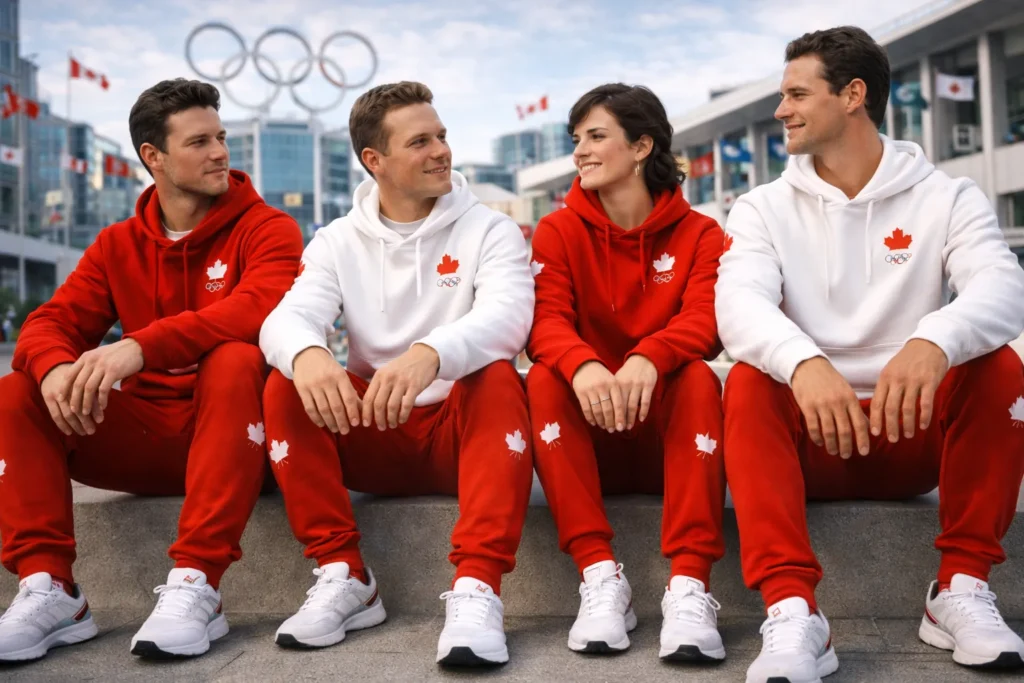
Most of an athlete’s time during the Olympics is spent inside the Olympic Village. Here they rest, train lightly, eat, and spend time with other athletes.
The clothing designed for this environment focuses mainly on comfort. Soft hoodies, relaxed sweatpants, slides, and breathable t-shirts are common pieces.
The branding on these items is usually smaller and less noticeable so athletes can feel relaxed while still representing their country.
How Canadian Olympic Outfits Reflect National Identity
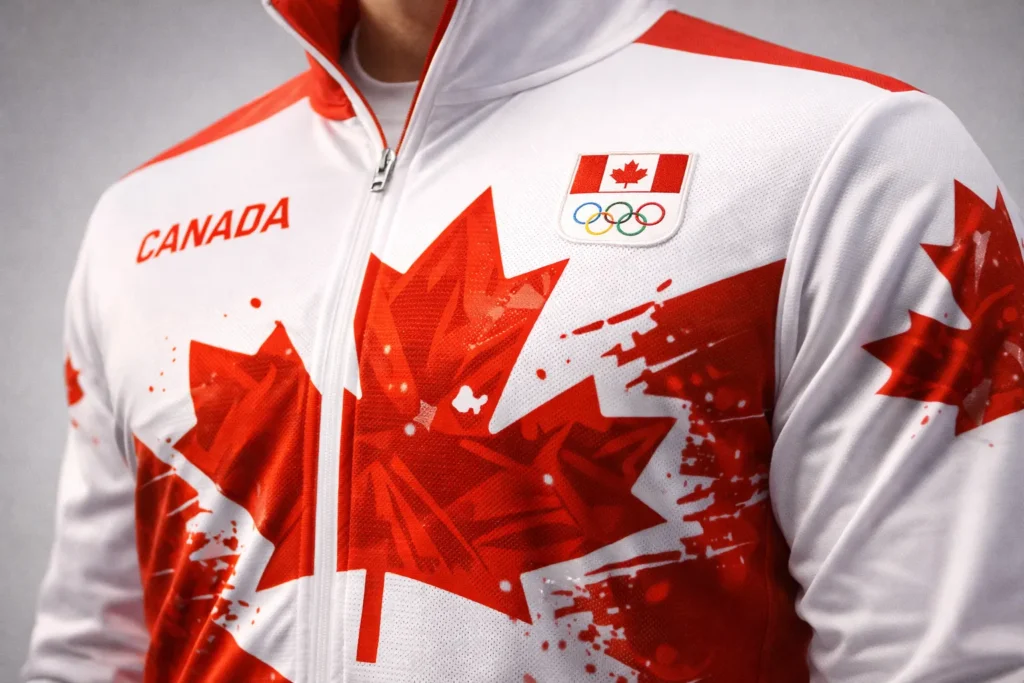
Designing a national uniform means showing the character of an entire country through clothing. Canadian designers use colors, symbols, and cultural ideas to represent the country’s identity.
Beyond the Maple Leaf and Red and White
Red and white are the main colors associated with Canada, but modern designers use them in more creative ways. Instead of a single shade of red, outfits may include deeper or brighter tones to create a richer look.
The maple leaf remains the most recognizable symbol of Canada. Designers often experiment with the shape and size of the leaf, sometimes using abstract versions or geometric styles.
Nature also inspires many designs. Some recent collections include patterns based on flowers from different provinces and territories, creating a design that represents the entire country.
Indigenous Influences and Collaborations
In recent years, there has been a growing effort to include Indigenous culture and art in the Olympic wardrobe. Designers now work directly with First Nations, Inuit, and Métis artists when creating certain patterns or pieces.
These partnerships help ensure that the designs respect and celebrate Indigenous traditions. They also allow the clothing to share important cultural stories with a global audience during the Olympic Games.
The Cultural and Economic Impact
The release of Canada’s Olympic outfits often becomes a major event. Media coverage and public interest show how important these designs are for both culture and the economy.
Boosting National Pride
Clothing has the power to bring people together. When Canadians see their athletes entering the stadium wearing strong and recognizable outfits, it creates a deep feeling of pride.
Fans who wear similar clothing feel connected to their team, even when they are watching from home. This shared experience helps build a sense of community during the Olympic Games.
Retail Success and Fan Replicas
Olympic outfits are not only worn by athletes. The official designers also release similar versions for the public to buy.
Many of these items sell out very quickly after they are released. Popular pieces such as hats, bags, or jackets often become collector’s items.
The sales also support future athletes. Part of the money from these products goes toward programs that help train and support the next generation of Canadian Olympians.
Summer vs. Winter Games: Adapting to the Elements
Canada competes in both Summer and Winter Olympics, which means the clothing must work in very different climates. Designers create different materials and systems depending on the environment.
Dressing for the Summer Heat
During Summer Games held in warm cities, the biggest challenge is heat and humidity. Clothing for these conditions uses very light fabrics that allow air to move easily.
Many garments include sweat-wicking technology that pulls moisture away from the skin and helps it dry quickly. Some pieces also include protection from strong sunlight.
To keep athletes comfortable in humid weather, certain fabrics include treatments that help prevent odor by stopping bacteria from growing.
Conquering the Winter Chill
Winter Olympics require clothing that keeps athletes warm without limiting movement. Designers solve this by creating layering systems.
Athletes receive base layers that remove moisture, middle layers that provide insulation, and outer jackets that block wind and water. These layers work together to protect the body in cold conditions.
Winter jackets also use special construction methods that reduce small openings where cold air could enter. Insulation is placed in areas that need warmth the most, while other sections remain lighter to allow easier movement.
What to Expect for Future Games (2026 and Beyond)
The design of Canadian Olympic outfits will continue to change as technology and fashion develop. Future collections are expected to introduce new materials and smarter clothing systems.
Anticipated Innovations
In the future, clothing may include fabrics that respond to body temperature. These materials could release heat when the body becomes warm and hold heat when it becomes cold.
Another possible development is advanced knitting technology that creates clothing shaped perfectly for each athlete’s body. This approach can improve comfort and reduce wasted materials during production.
Sustainability will also become even more important. Designers may focus on clothing made from materials that are fully recyclable or biodegradable.
The Continuing Role of Lululemon
As the official outfitter continues its work with Team Canada, the brand is expected to keep developing new ideas in athletic fashion. Their designs focus not only on performance but also on helping athletes feel confident and comfortable.
By combining style, functionality, and strong national symbolism, future collections will likely keep Canadian athletes among the most recognizable teams at the Olympic Games.
Conclusion
The history of Canadian Olympic outfits shows how sports clothing can grow and change over time. Early uniforms focused mainly on warmth and function, while modern designs combine advanced materials, thoughtful design, and national symbolism.
These outfits represent much more than fashion. They reflect Canada’s culture, pride, and commitment to its athletes. From classic mittens to modern athletic gear, each collection tells part of the story of the country and its people.
As technology and design continue to evolve, the clothing worn by Team Canada will keep inspiring athletes and fans alike. Whether competing in the cold of the Winter Games or the heat of the Summer Games, Canadian athletes will continue to step onto the world stage wearing outfits that clearly represent their nation.
Frequently Asked Questions (FAQs) about Canadian Olympic Outfits
Q1: Who designs the Canadian Olympic outfits?
The official outfits for Canada’s Olympic and Paralympic teams are currently designed by Lululemon. The company began creating these uniforms starting with the 2022 Winter Games and will continue designing them through the 2028 Summer Games.
Q2: Where can I buy Team Canada Olympic apparel?
Fans can usually buy official replica clothing from the outfitter’s stores and website. Some items are also available through the official online store connected to the Canadian Olympic team.
Q3: Do athletes get to keep their Olympic uniforms?
Yes, athletes receive a full set of clothing for different events during the games. They are allowed to keep these items as special memories of their Olympic experience.
Q4: Why do Paralympic and Olympic athletes wear the same outfits?
Canada follows a “One Team” approach where both Olympic and Paralympic athletes share the same national clothing. However, the designs are adjusted to fit the physical needs of Paralympic athletes so the clothing works comfortably for everyone.