French Fashion: A Tapestry of Craftsmanship, Rebellion, and Effortless Chic
French fashion is not just about clothing; it is a way of life. From the streets of Paris to the beaches of the Côte d’Azur, fashion in France carries history, quality, and a unique style that the world admires. French fashion brands combine creativity, skill, and elegance, making each piece more than just a garment. The story of these brands is one of artistry, tradition, and careful craftsmanship, where every atelier is a place of creativity and respect. French fashion represents a way of expressing personality, beauty, and refinement.
French fashion houses influence global style deeply. Items like the little black dress, the trench coat, the Breton shirt, and the structured handbag have become iconic. These brands mix art and commerce, creating collections that tell stories and boutiques that feel like galleries. True French style values both luxury and simplicity, showing that elegance comes from attitude as much as the clothing itself.
The Historical Foundations of French Sartorial Dominance
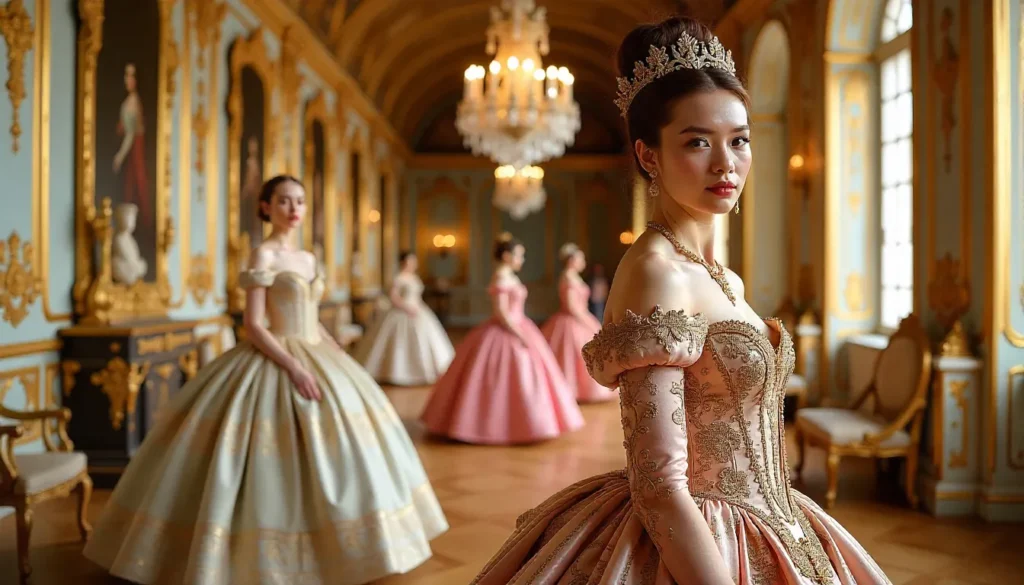
France’s fashion history goes back to the 17th century under Louis XIV. He used luxury clothing to show power and control the nobility, making France the center of European fashion. Fine fabrics, lace, and decorations were produced locally, establishing a tradition where clothing showed status and taste.
In the 19th century, Charles Frederick Worth, an Englishman in Paris, became the first true haute couture designer. He treated dressmaking as art, showing collections on live models and creating seasonal designs. He also set up the Chambre Syndicale de la Haute Couture to maintain high standards. This period made Paris the center of fashion and inspired the famous designer houses of the 20th century.
The Hallmarks of Haute Couture: Where Art Meets Craft
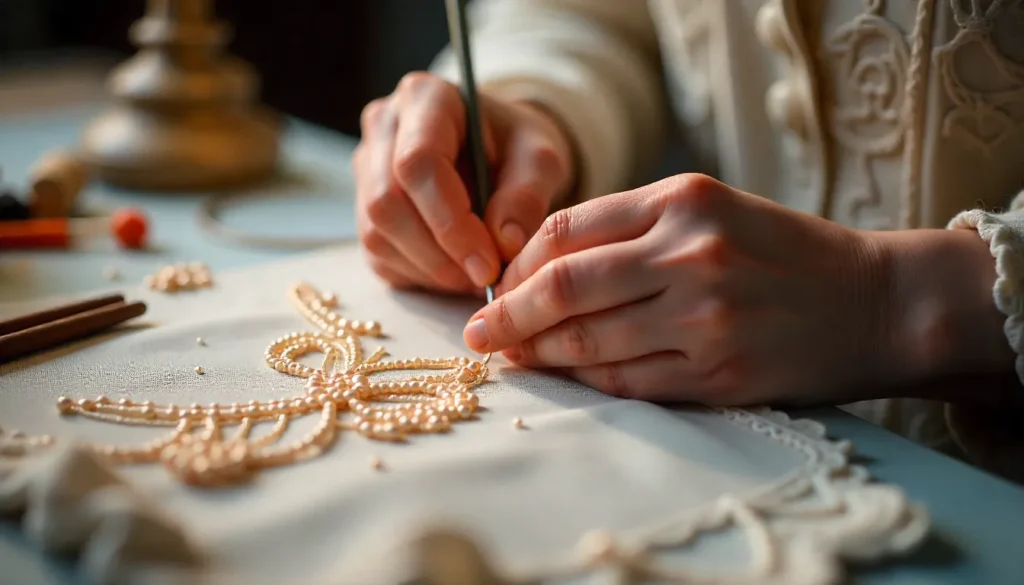
Haute couture is strictly regulated in France. Designs must be custom-made for clients, involve multiple fittings, and be hand-crafted in Parisian ateliers. Skilled artisans, called petites mains, use embroidery, pleating, and tailoring to create each piece. A single gown can take hundreds of hours to finish, showing the dedication to perfection.
Haute couture goes beyond selling clothes. It shows a brand’s creativity and technical skill. Collections inspire ready-to-wear lines and influence global trends. For brands like Chanel, Dior, and Schiaparelli, couture represents the heart of the brand, reinforcing their image of exclusivity, quality, and history.
The Post-War Revolution and the Rise of the Designer as Star
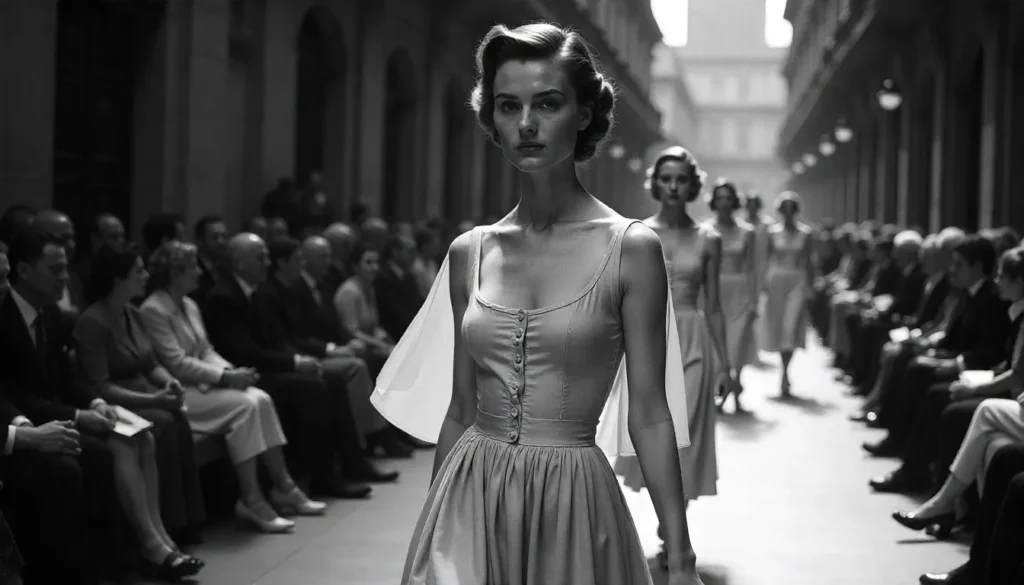
After World War II, fashion shifted toward beauty and luxury. Christian Dior introduced the “New Look” in 1947, with full skirts and fitted waists, rejecting wartime simplicity. Dior’s designs restored Paris’s global fashion dominance and made designers central figures in style.
During this era, designers like Cristóbal Balenciaga became celebrated for innovation and craftsmanship. The rise of ready-to-wear fashion made style more accessible, with Yves Saint Laurent creating iconic pieces like the women’s tuxedo suit. This period established the model of French fashion houses built around visionary designers.
The Philosophy of Effortless Chic: Le Style Français
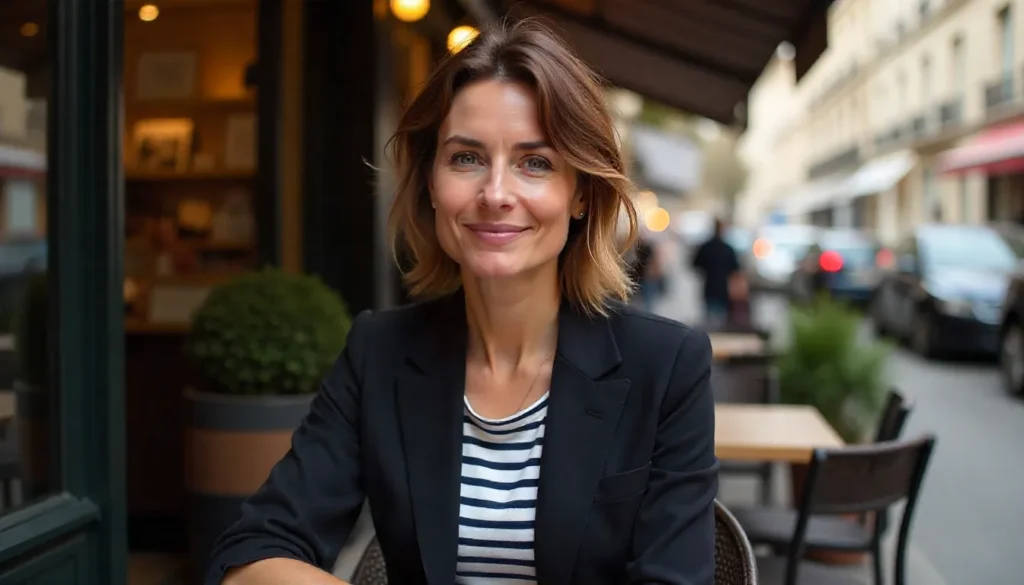
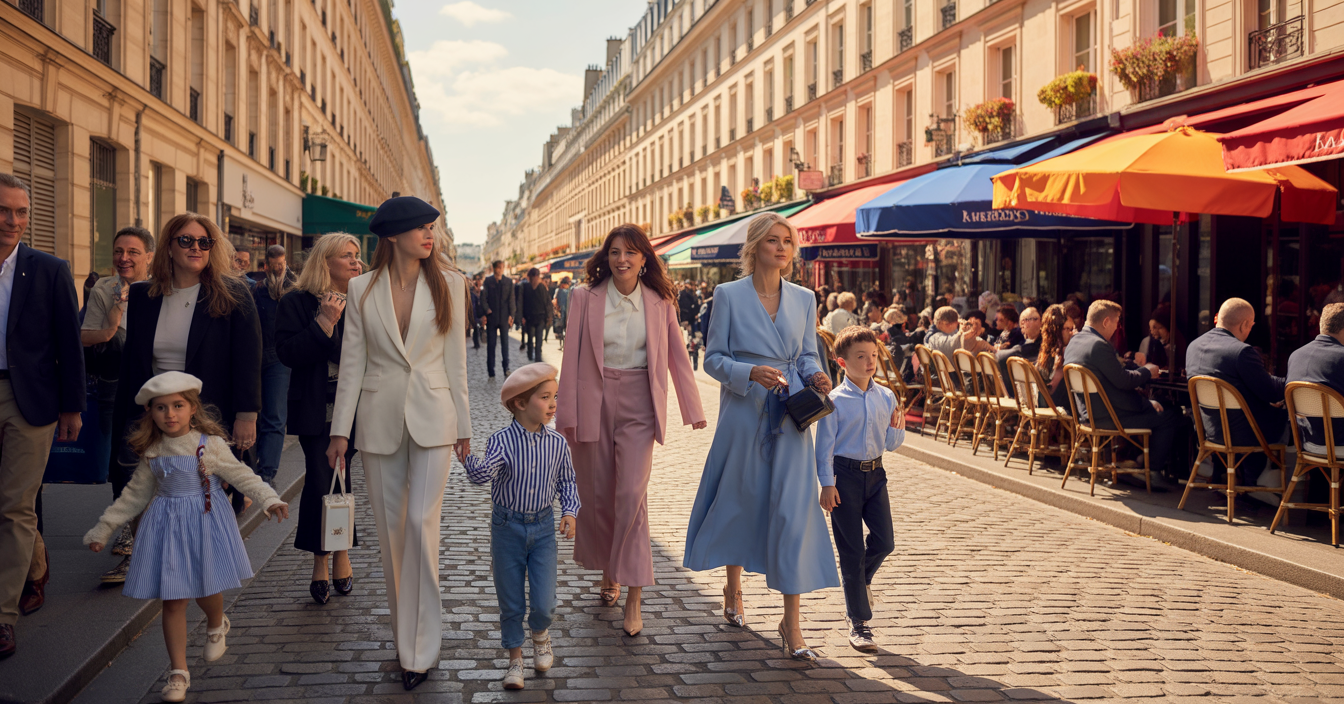
French style emphasizes effortless chic, a way of dressing that feels natural and confident. It focuses on quality pieces, proper fit, and personal expression rather than following every trend. Key items include a tailored blazer, a striped shirt, well-cut denim, and a cashmere sweater.
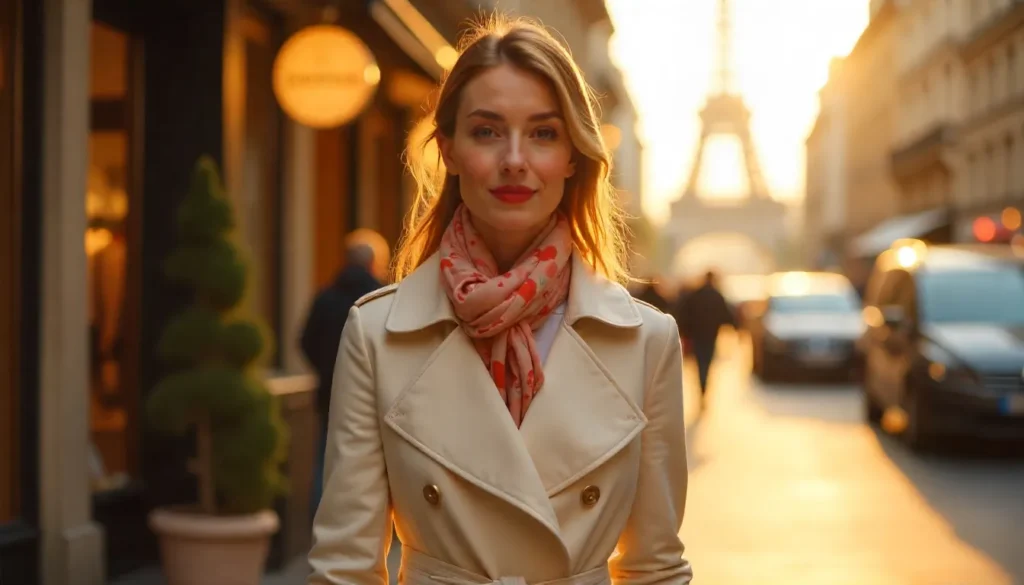
What makes this style special is attitude. Small details like a silk scarf worn casually, a blazer over the shoulders, or tousled hair create an appearance of elegance without effort. Icons like Jane Birkin and Inès de la Fressange show how timeless and personal French style can be, selling an image of understated elegance rather than just clothing.
The Powerhouses of Luxury: LVMH and Kering
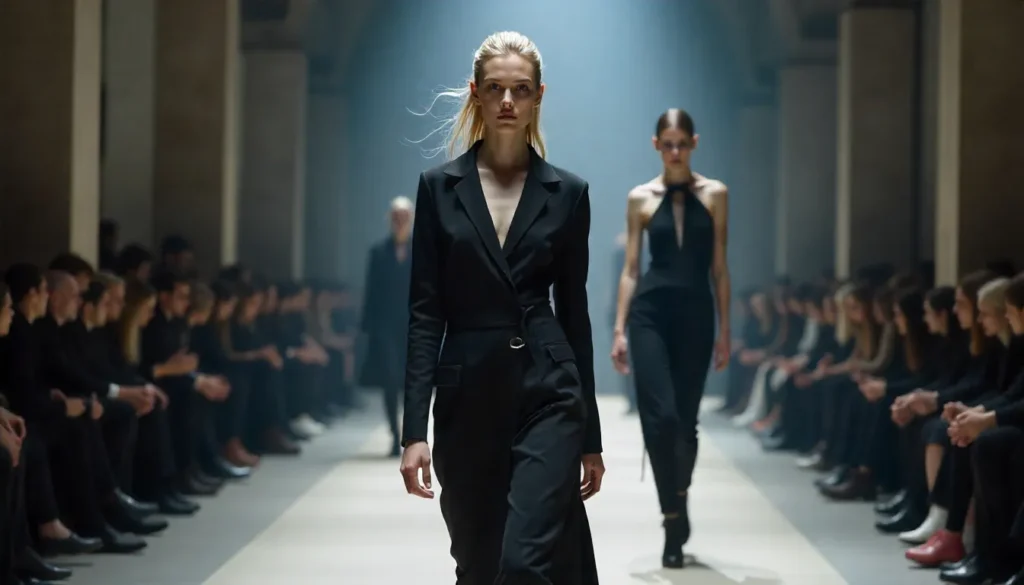
Modern French fashion is shaped by luxury groups like LVMH and Kering. These companies own multiple historic and new brands, providing resources for marketing, production, and global reach while keeping each house’s identity intact.
These conglomerates help brands grow, fund grand productions, and preserve artisanal skills. However, critics argue that corporate structures can sometimes limit creativity. Despite this, France remains a global leader in luxury fashion, combining financial power with creative excellence.
The Modern Rebels and Deconstructors
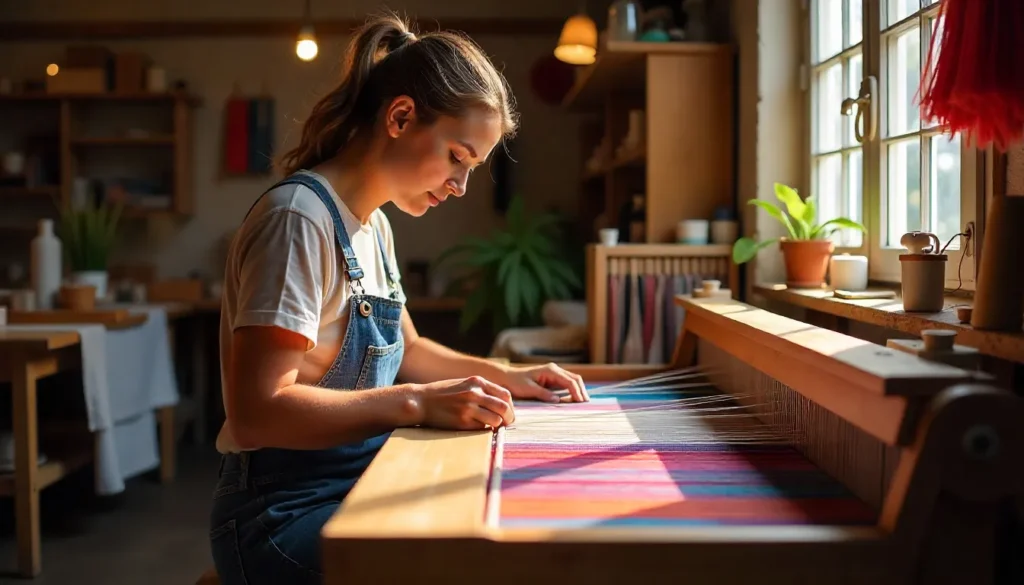
Some French brands challenge tradition. In the 1980s and 90s, designers like Rei Kawakubo and Yohji Yamamoto introduced anti-fashion with asymmetrical designs and unusual shapes, pushing boundaries of what clothing could be.
Today, designers like Marine Serre focus on sustainability, using recycled materials in creative ways. Brands like Jacquemus choose unique locations for shows, moving away from conventional presentations. These modern rebels keep French fashion innovative and socially aware.
The Regional Craftsmanship: Beyond Paris
French fashion relies on specialized craftsmanship outside Paris. Lyon is known for silk, Millau for gloves, Calais-Caudry for lace, and the Tanneries du Puy for leather. Jewelry from Place Vendôme also contributes to luxury goods.
Creating a French handbag or garment often involves multiple regions, combining their expertise. This decentralized system preserves tradition and ensures each product has authenticity and story, maintaining a strong link to cultural heritage.
The Enduring Iconography of French Fashion
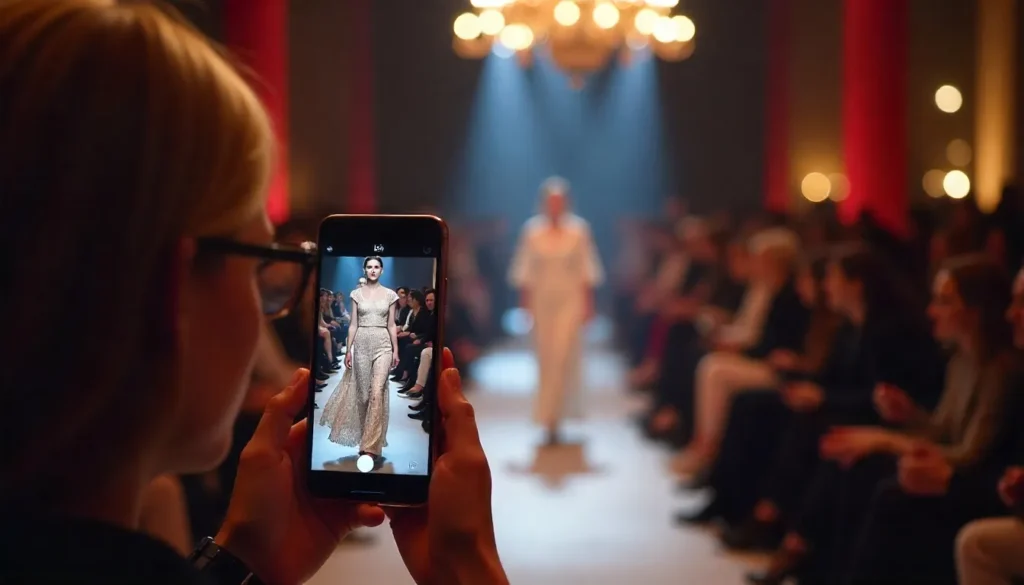
French fashion brands create symbols, not just clothes. The Chanel 2.55 handbag, Hermès Carré scarf, Chanel No. 5 perfume, and the little black dress are timeless pieces recognized worldwide.
These icons represent more than function; they are culture, history, and style. They ensure continuity for brands, connecting past and present while maintaining relevance for new generations.
The Digital Frontier and Global Marketplace
French brands have embraced the digital era. Online stores, virtual try-ons, social media, and collaborations with video games help reach younger audiences. Global markets, especially in Asia, are crucial. Brands adapt products, campaigns, and store experiences to suit different cultures, keeping their influence strong worldwide.
The Future: Sustainability, Inclusivity, and Innovation
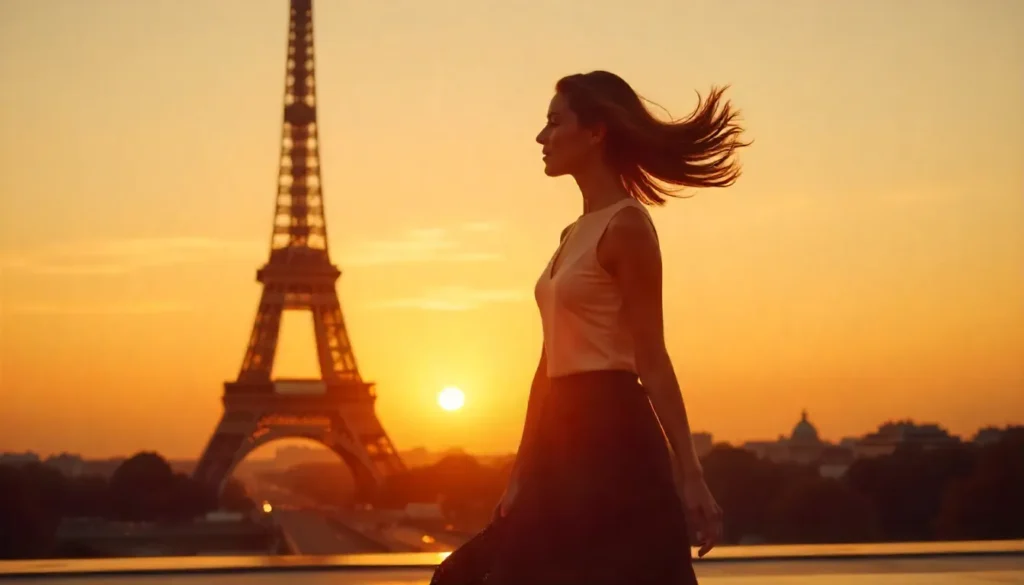
French fashion is focusing on sustainability, using recycled materials, lab-grown fabrics, and circular fashion models. Preserving artisanal skills is also part of environmental responsibility.
Inclusivity is growing, with campaigns and designs featuring diverse ages, sizes, and backgrounds. The future of French fashion lies in balancing heritage with progress, keeping elegance while embracing responsibility and innovation.
Conclusion
French fashion continues to combine tradition with innovation. From historical craftsmanship to modern sustainability, it reflects culture, creativity, and personal style. Haute couture, ready-to-wear, and conscious fashion together define the global standard of elegance.
French fashion is not only about clothing; it is a philosophy of confidence, refinement, and grace. By blending heritage, modern values, and innovation, French fashion remains an art form that inspires the world.
FAQs about French Fashion
Q1: What makes French fashion unique?
French fashion is special because it combines tradition with new ideas. It focuses on looking elegant without effort, using high-quality materials, and valuing craftsmanship. Every piece reflects history, skill, and creativity.
Q2: What is “haute couture”?
Haute couture is custom-made clothing made entirely by hand in Paris. Each piece is tailored to the client and often takes hundreds of hours to create. It represents the highest level of artistry in fashion.
Q3: Why is Paris considered the fashion capital of the world?
Paris is known as the fashion capital because of its long history of luxury, famous designers like Dior and Chanel, and institutions that protect the rules of haute couture. The city has always been a center for style and innovation.
Q4: What does “effortless chic” mean in French fashion?
Effortless chic, or le style français, is about looking stylish naturally. It focuses on confidence, quality basics, and individuality rather than following every trend. Outfits feel easy, polished, and personal.
Q5: Who are some of the most iconic French fashion designers?
Some of the most famous designers include Coco Chanel, Christian Dior, Yves Saint Laurent, Jean-Paul Gaultier, and more recent names like Jacquemus and Marine Serre. They have shaped French style for generations.
Q6: What role do luxury groups like LVMH and Kering play?
LVMH and Kering own many famous French fashion brands. They provide money, resources, and global reach, helping brands grow while maintaining their creative identity.
Q7: How is French fashion adapting to sustainability?
Brands are using eco-friendly materials, supporting repair and resale, and protecting traditional craftsmanship. This approach focuses on creating long-lasting fashion while reducing waste.
Q8: What are the hallmarks of a French wardrobe?
A French wardrobe includes timeless pieces like a tailored blazer, white shirt, trench coat, Breton stripes, little black dress, and quality denim. These items are versatile, stylish, and last for years.
Q9: How do French fashion brands stay relevant in the digital age?
Brands use online stores, social media, digital storytelling, and collaborations with video games or virtual platforms. These tools reach younger audiences while keeping luxury appeal.
Q10: What is the future of French fashion?
The future focuses on combining heritage with innovation. Sustainability, inclusivity, and digital growth are key, while craftsmanship, creativity, and elegance remain at the heart of French fashion.