50 Degree Weather Outfits: Mastering the Art of Transitional Style
Dressing for weather around 50 degrees can sometimes feel confusing. The temperature is not cold enough for heavy winter clothes, but it is also not warm enough for light summer outfits. Because of this, many people struggle to find the right balance. The key is choosing clothing that keeps you comfortable while still looking stylish.
This kind of weather usually happens during the change of seasons, such as early spring or autumn. Mornings can feel chilly, while afternoons may feel warmer when the sun is out. Because of these changes throughout the day, it becomes important to choose outfits that can adjust easily.
The good news is that 50-degree weather actually gives you many styling options. It allows you to mix different clothing pieces together and create interesting outfits. With the right layers, fabrics, and accessories, you can stay warm without feeling too hot later in the day.
In this guide, we will look at simple ways to dress for this type of weather. You will learn about layering, important clothing items to keep in your wardrobe, outfit ideas for different occasions, and the best fabrics to wear. By the end, dressing for 50-degree weather will feel much easier.
The Golden Rule: Layering is Key
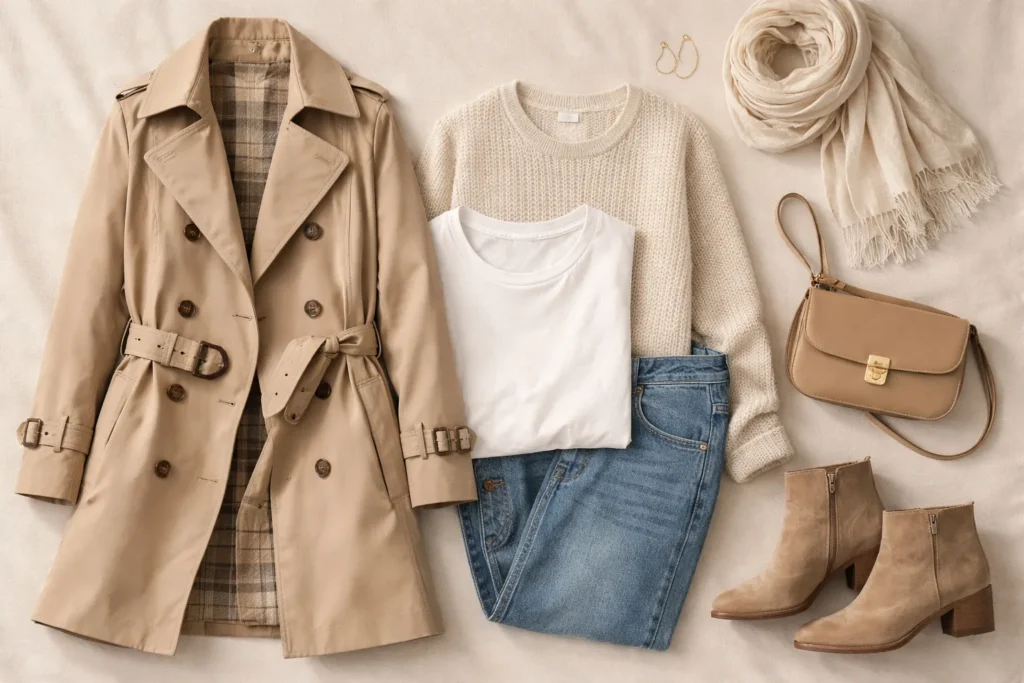
When the temperature is around 50 degrees, the weather can change quickly. A cool breeze or shade can make it feel colder, while direct sunlight may make it feel warmer. Because of this, wearing just one heavy item is not always the best idea.
Layering helps you stay comfortable throughout the day. If the weather warms up, you can remove one layer. If it gets cooler, you still have enough clothing to stay warm. This simple approach makes dressing for this temperature much more practical.
The Base Layer: Comfort First
The base layer is the clothing that touches your skin. Since you wear it all day, it should feel soft and comfortable. Breathable fabrics work best because they allow air to move and prevent overheating.
Cotton or light blended fabrics are good choices for this layer. They keep you comfortable without trapping too much heat. Heavy synthetic fabrics are not always ideal because they can make you feel too warm if the temperature rises.
For style, simple options work well. A plain white t-shirt, a fitted turtleneck, or a lightweight long-sleeve shirt can act as a strong starting point for an outfit. These pieces are easy to combine with other layers and do not feel bulky.
The Mid-Layer: Insulation
The mid-layer is the part of the outfit that adds warmth. It sits over the base layer and helps keep body heat in without being too heavy.
Cardigans are a great option because they are easy to take off if the weather warms up. Chunky knit styles or lighter wool cardigans both work well. Sweaters are another good choice. Crew neck or V-neck sweaters made from cotton blends or cashmere provide warmth while still feeling comfortable.
Vests are also useful in this temperature. A puffer vest or tailored vest keeps the chest area warm but leaves the arms free. This balance can make the outfit feel lighter while still giving enough protection from the cold.
The Outer Layer: Protection and Style
The outer layer finishes the outfit and protects you from wind or light rain. It also plays a big role in the overall look of your clothing.
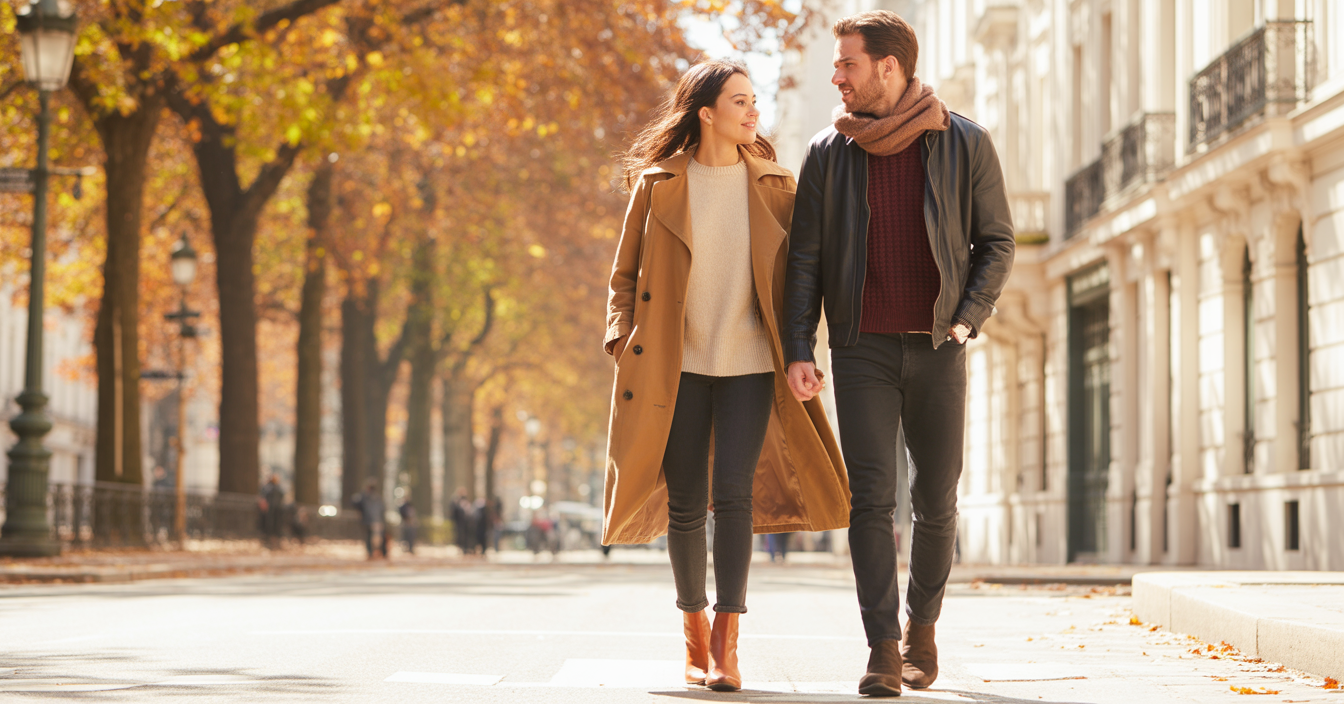
Trench coats are a popular option for transitional weather. They help block wind and usually feel light enough for moderate temperatures. Leather jackets are another stylish choice. They provide warmth and also give the outfit a bold and modern look.
Denim jackets work well for casual outfits, especially when worn over hoodies or shirts. Blazers are also useful, especially oversized ones. They give a neat and polished look while still providing light coverage from cooler air.
Essential Wardrobe Staples for 50 Degree Weather
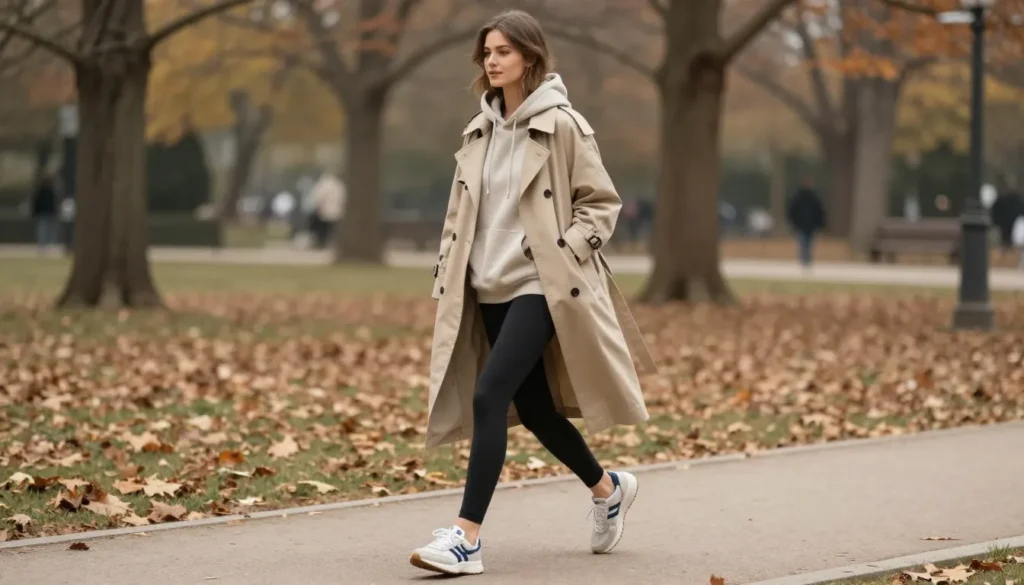
Building good outfits for this temperature becomes easier when you have a few reliable clothing pieces in your wardrobe. These items can be mixed in many ways to create different looks.
1. The Classic Trench Coat
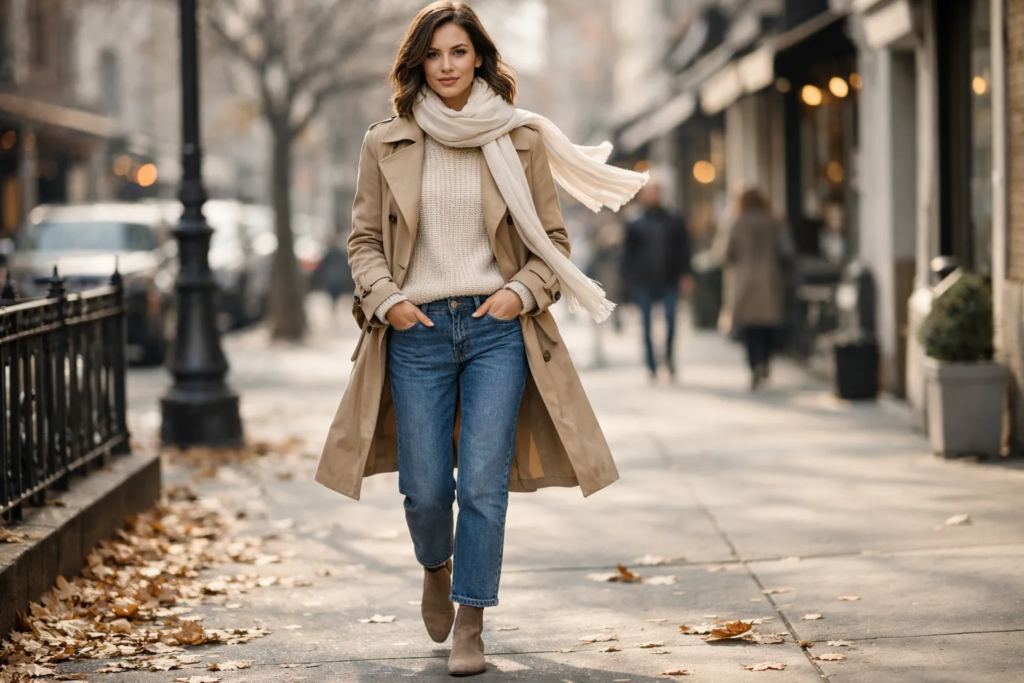
A trench coat is one of the most useful pieces for this weather. Neutral colors like beige or camel match with many outfits and give a clean and classic appearance.
Besides looking stylish, trench coats are also practical. Many are made to resist light rain, which is helpful during seasons when the weather changes often.
2. Ankle Boots
Footwear also matters when the weather cools down. Sandals can feel too cold, but heavy winter boots may feel too warm.
Ankle boots sit right in the middle. They keep your feet warm and dry while still looking fashionable. They can be worn with jeans, skirts, or dresses, which makes them very versatile.
3. Midi Skirts and Dresses
You do not need to stop wearing skirts or dresses when the weather reaches 50 degrees. Midi-length styles offer more coverage than short skirts and still look elegant.
When combined with tights or tall boots, they provide enough warmth for this type of weather while keeping the outfit stylish.
4. Scarves
Scarves are very helpful during transitional weather. A lightweight wool or cashmere scarf can add warmth when needed.
The best part is that scarves are easy to remove and carry if the temperature rises. They also add color and texture to an outfit, making it look more interesting.
5. Straight-Leg Jeans
Jeans are a dependable choice for cooler days. Straight-leg or wide-leg jeans allow better airflow than very tight styles.
Medium wash or black denim works well for many situations, from casual outings during the day to relaxed evening plans.
5 Stylish Outfit Formulas to Try Now
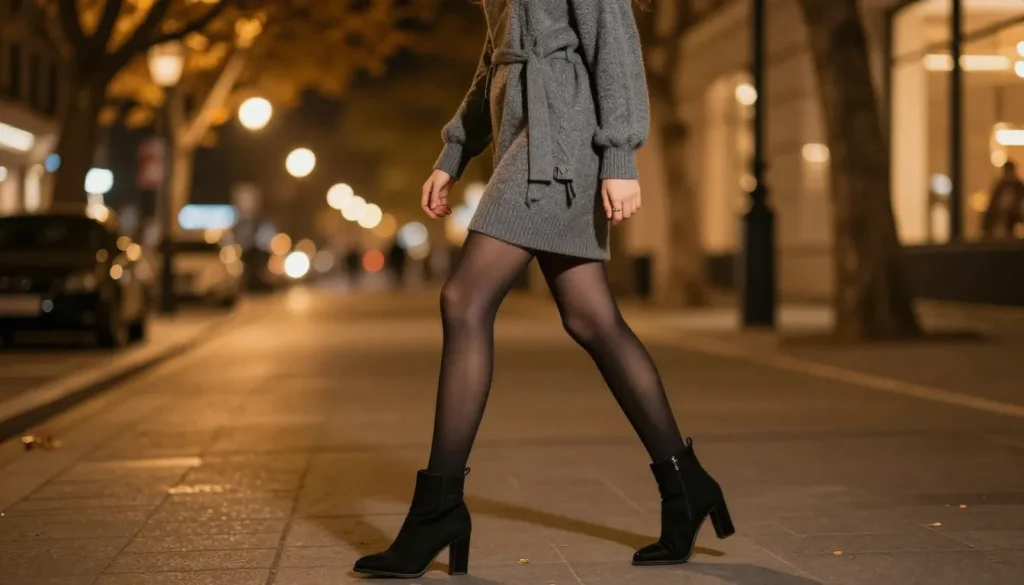
Sometimes the hardest part of getting dressed is deciding what pieces to combine. These simple outfit ideas work well in 50-degree weather and are easy to recreate.
Look 1: The “Off-Duty Model”
This outfit mixes comfort with a cool everyday style. It is a good choice for running errands or meeting friends.
The outfit includes straight-leg jeans, a white t-shirt, and a leather moto jacket. White sneakers or black combat boots complete the look. The jacket helps block the wind, while the t-shirt keeps the outfit light enough if the weather warms up.
Look 2: Office Chic
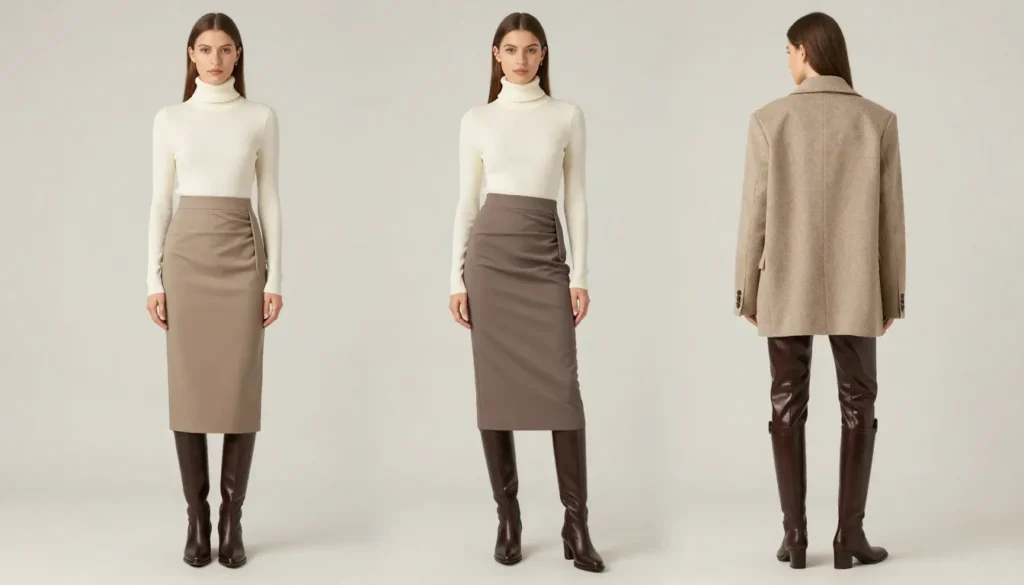
Choosing clothes for work during changing weather can be difficult, especially when indoor temperatures vary.
A midi skirt paired with a fitted turtleneck and an oversized blazer creates a balanced look. Knee-high leather boots add warmth and style. If the office feels warm, the blazer can be removed while the outfit still looks neat.
Look 3: Cozy Weekend

This outfit works well for relaxed days, such as casual walks or simple weekend plans.
Leggings or joggers can be worn with a hoodie and a trench coat. Retro trainers or athletic sneakers finish the look. The trench coat adds structure and style while the comfortable clothing underneath keeps the outfit relaxed.
Look 4: The Dinner Date
For evenings out, many people want to look dressed up without feeling cold.
A sweater dress paired with a belt and tights creates a warm yet elegant look. Heeled ankle boots add style while keeping the outfit suitable for cooler weather. Tights can be sheer for a dressy look or thicker for more warmth.
Look 5: Preppy Layers
This outfit works well for school, university, or creative workplaces.
A collared shirt can be worn under a crewneck sweater with a mini skirt. Loafers paired with visible white socks complete the outfit. The collar adds a neat detail, while the socks provide a small amount of extra warmth.
Fabrics to Embrace (and Avoid)
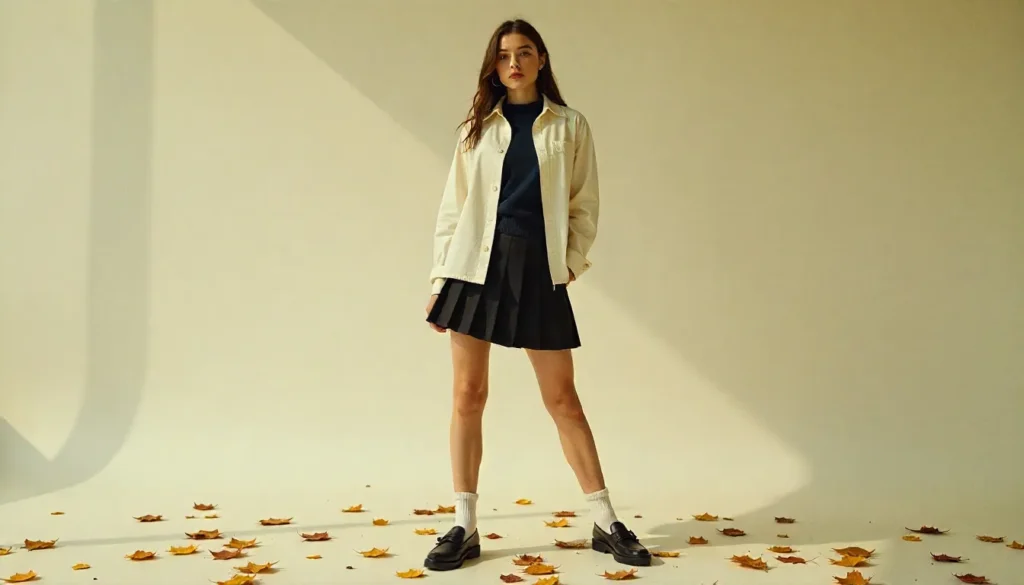
The type of fabric you wear can greatly affect how comfortable you feel in 50-degree weather.
Best Fabrics
Merino wool is a great option because it provides warmth while remaining lightweight. It also helps regulate body temperature.
Denim works well because it blocks cool air but still allows some breathability. Leather and faux leather help protect against wind.
Cashmere is another good choice. It provides warmth without feeling heavy, which makes it useful for layering. Cotton blends are also helpful for base layers since they allow air to move easily.
Fabrics to Use with Caution
Some materials are not ideal for this temperature. Heavy down jackets may feel too warm unless the weather is very windy.
Linen can feel too light and breezy for cooler air unless it is layered carefully. Thick synthetic fleece may trap moisture and make you feel uncomfortable if you move around a lot.
Accessories: The Finishing Touches
Accessories can make a big difference when dressing for 50-degree weather. They add both style and practical benefits.
Hats are one example. Heavy winter beanies might feel too warm, but lighter options like berets, felt hats, or baseball caps work well.
Tights are another helpful item. They allow you to continue wearing dresses or skirts even when the weather cools down. Different thickness levels provide different amounts of warmth.
Socks should not be ignored either. Wool blend socks help keep feet dry and warm. They can also be styled to show slightly above boots or with sneakers.
Transitional Styling Tips for Men
Men can also use layering and smart clothing choices to stay comfortable in 50-degree weather.
A shirt-jacket, often called a shacket, is a very practical piece. It can be worn over a t-shirt or a henley and provides light warmth without feeling bulky.
Quarter-zip sweaters are another good option. They can be worn over a button-down shirt for work while adding extra insulation.
Vests also work well for men. A quilted vest worn over a flannel shirt keeps the chest warm while allowing the arms to move freely.
For footwear, leather boots are often better than canvas sneakers in cooler weather. Chukka boots or sturdy leather boots help keep feet warm and handle wet ground more easily.
Conclusion
Dressing for 50-degree weather becomes easier when you focus on flexibility. Instead of relying on one heavy piece of clothing, combining different layers helps you adjust to changing temperatures during the day.
Breathable base layers, warm mid-layers, and protective outer layers create a balanced outfit that works in both cool and mild conditions. With the right clothing pieces, you can mix items from different seasons and create many stylish combinations.
This type of weather gives you a chance to explore your wardrobe in creative ways. Skirts can be paired with sweaters, boots can be worn with dresses, and jackets can transform simple outfits into stylish ones.
By choosing the right layers, fabrics, and accessories, you can stay comfortable and confident no matter how the temperature shifts during the day.
Frequently Asked Questions (FAQs)
Q1: Do I need a winter coat for 50-degree weather?
In most cases, a heavy winter coat is not necessary for this temperature. A mid-weight jacket such as a trench coat, leather jacket, denim jacket, or wool blazer usually provides enough warmth. People who feel cold easily may prefer a light puffer jacket or vest.
Q2: Can I wear sandals in 50-degree weather?
Open shoes like sandals or flip-flops usually feel too cold at this temperature. Closed shoes such as sneakers, loafers, mules, or ankle boots are more comfortable because they keep your feet warmer.
Q3: Are tights necessary for 50-degree weather?
Tights are not always required, but they can make you more comfortable if you are wearing a short skirt or dress. With longer skirts or when wearing tall boots, some people may feel fine without them.
Q4: Is 50 degrees considered cold?
Fifty degrees is usually described as cool or slightly chilly rather than very cold. It is common during spring and autumn. People normally wear jackets, long sleeves, or long pants, but heavy winter clothing is not needed.
Q5: What is the best jacket for 50-degree weather?
A trench coat is often considered one of the best choices because it protects against wind and light rain while still feeling light. Leather jackets and shirt-jackets are also good options for this type of weather.