From Feathers to Gems: The Complete Guide to Caribbean Carnival Costumes
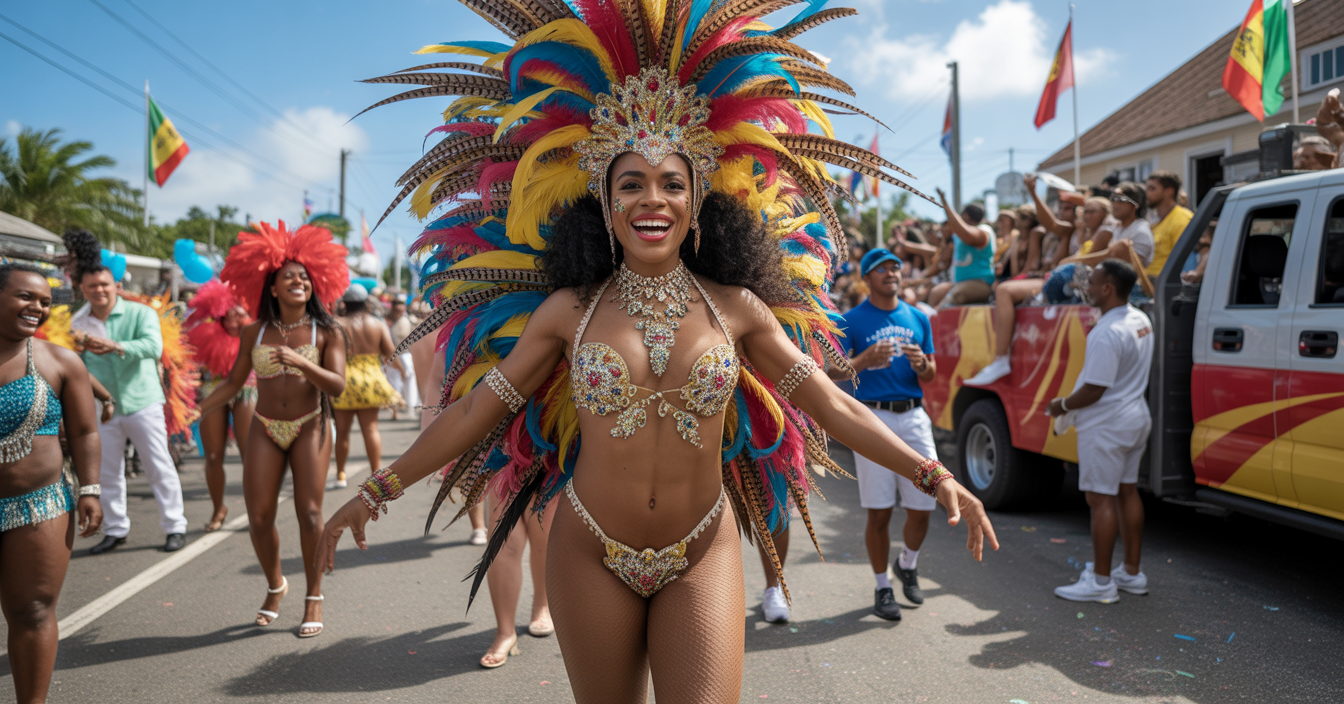
Nothing feels more exciting than stepping onto the carnival road dressed in bright colors, shining gems, and bold feathers. After spending years around carnival outfits and watching countless masqueraders prepare for the big day, I have seen how special this moment is. Whether it is your first time joining a festival or you want to improve your masquerader experience, understanding Caribbean carnival costumes is the first important step. These outfits are not just made for a party. They carry meaning connected to freedom, history, and cultural pride.
Choosing the right costume also takes some planning. You need to think about the designer you choose and learn the difference between frontline and backline sections. When you understand these details, it becomes much easier to pick an outfit that suits your comfort and style. In this guide, you will learn about the cultural meaning behind carnival costumes, how these outfits are designed, and practical tips that will help you feel confident and ready for the celebration.
The Cultural Significance of Carnival Mas
Caribbean carnival costumes are more than bright outfits worn during a festival. From my experience of working with carnival fashion and observing many masqueraders over the years, these costumes carry a deep meaning connected to history and identity. Wearing one is not only about looking beautiful; it is also about taking part in a tradition that represents freedom, culture, and pride.
The tradition known as “playing mas,” or masquerade, started many years ago during the time of European colonial rule in the Caribbean. At that time, enslaved Africans were not allowed to attend the elegant balls and celebrations organized by Europeans. Because they were excluded, they began creating their own celebrations. They used costumes, masks, and performances to express themselves and sometimes even mock the colonial elites.
After emancipation, these celebrations moved from hidden gatherings to large public street festivals. Over time, the costumes became powerful symbols of freedom and cultural strength. Today, when people wear carnival costumes, they are continuing a long tradition that celebrates resilience, joy, and community.
Modern Day Interpretations
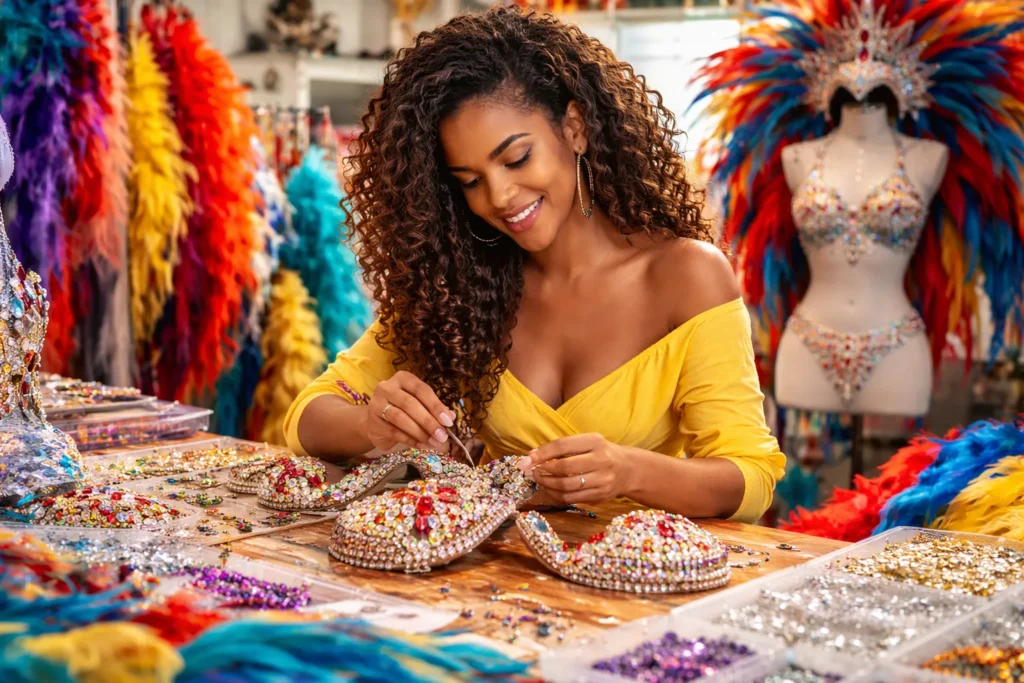
In modern carnival celebrations, designers mix traditional influences with modern fashion ideas. Over the years, I have seen how much creativity goes into these costumes. Designers use detailed wire bending techniques, large feather arrangements, and beautiful beadwork to create impressive pieces.
These costumes often reflect both African heritage and modern Caribbean culture. Each design takes months of planning and careful work before it appears on the road during carnival. Because of the effort involved, many people see these outfits as wearable art rather than simple festival clothing.
Anatomy of a Carnival Costume
When a carnival band releases its yearly theme, it usually divides the designs into several sections. Each section offers costumes with different levels of detail and size. Understanding these options helps you choose a costume that matches your comfort level and budget.
From my experience helping people select carnival outfits, knowing these categories makes the process much easier. Some costumes focus on dramatic visual impact, while others are designed to be lighter and easier to wear during long hours of dancing.
The Frontline Costume
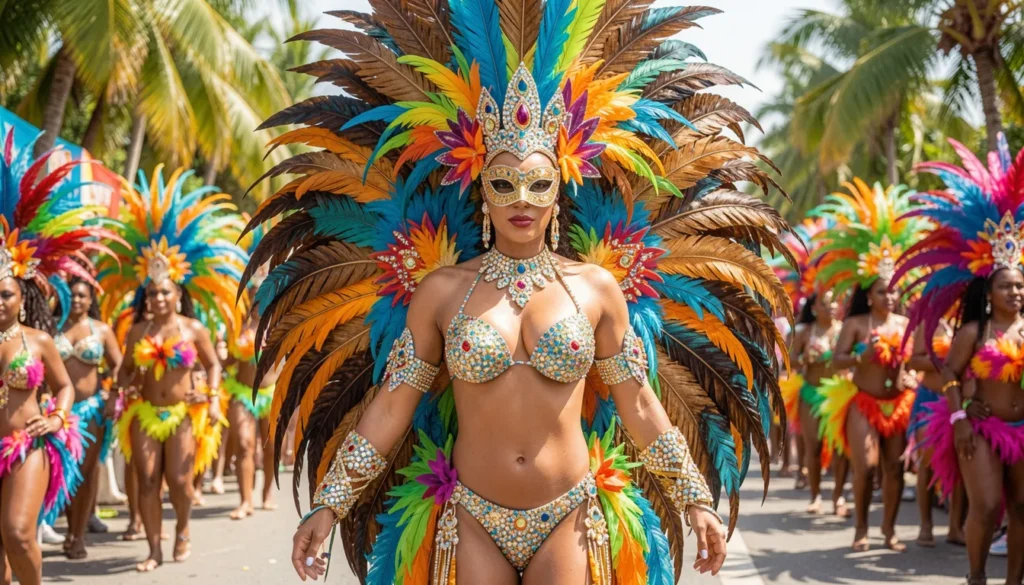
Frontline costumes are the most detailed and eye-catching outfits in a carnival band. These pieces are created to stand out and often lead the section as it moves through the parade.
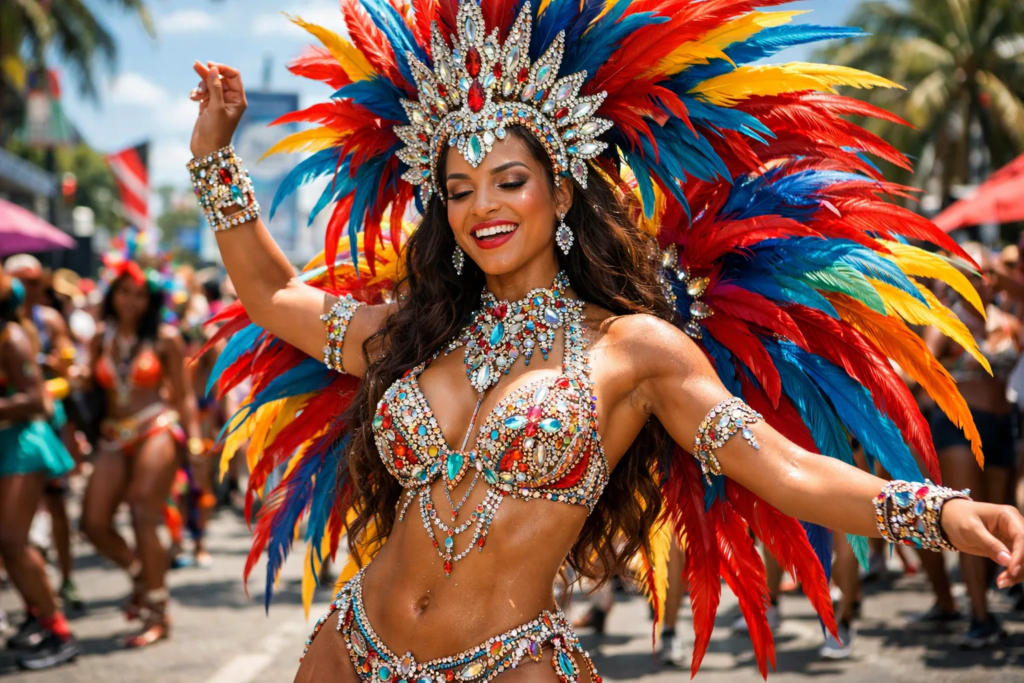
One of the most noticeable features is the large feather backpack. These structures can stretch several feet wide and tall, and they usually sit on a strong wireframe harness that supports the weight. The size alone makes them a powerful visual element during the parade.
Frontline costumes also include detailed body pieces. Designers often use premium fabrics, custom shapes, and a large amount of jewel decoration. Accessories are also more dramatic, including decorated leg pieces, large tiaras, and specially designed arm bands.
The Backline Costume
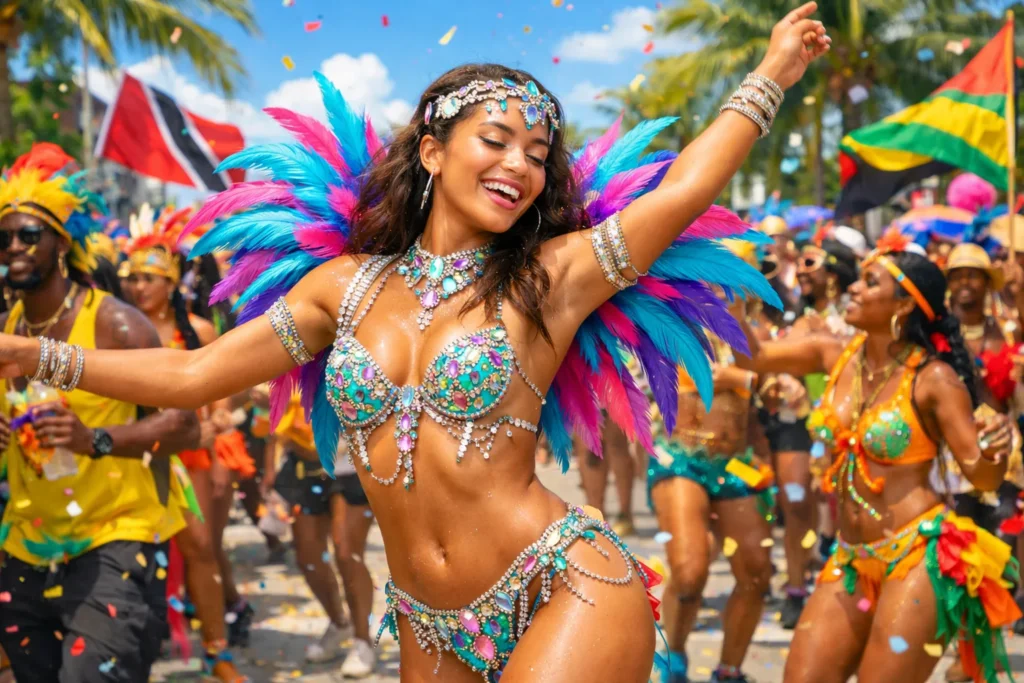
Backline costumes are a popular choice for people who want to enjoy the carnival while staying comfortable and mobile. These outfits still follow the theme of the section but with lighter designs.
Instead of a huge feather backpack, backline masqueraders may wear a feather collar or a smaller backpack. The body pieces are usually two-piece bikinis or monokinis decorated with gems, but the beadwork is less heavy compared to frontline designs.
Because they are lighter, backline costumes allow dancers to move freely for many hours. For first-time masqueraders or people who prefer comfort while dancing, this option often provides the best balance between style and practicality.
The Midline and Individual Options
Many carnival bands also offer midline costumes. These designs sit between frontline and backline options. They provide more decoration than backline costumes but are not as heavy or large as frontline pieces.
Another special category is individual costumes. These are unique and often extremely detailed creations worn by specific masqueraders. Individual costumes are usually designed to stand out during competitions, making them some of the most impressive pieces seen during carnival.
Essential Elements of Your Carnival Outfit
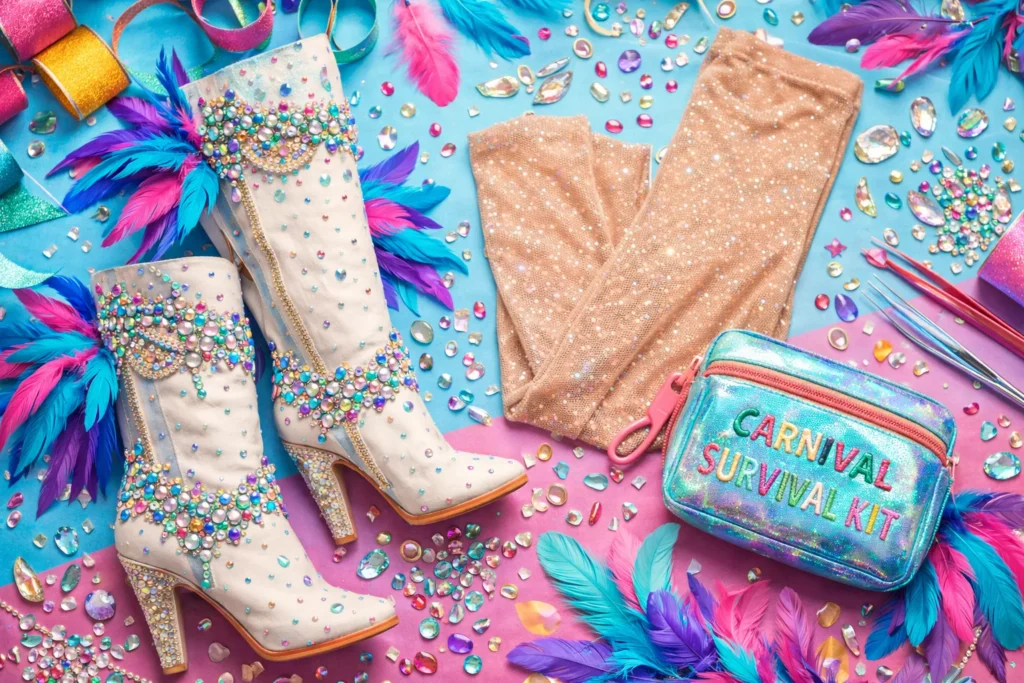
A full carnival look includes more than feathers and jewels. Over the years, I have learned that comfort and preparation are just as important as appearance when you are spending hours on the road during carnival.
Certain items help you stay comfortable and organized while still looking great throughout the day.
Comfortable Footwear
Footwear is one of the most important parts of a carnival outfit. During the event, masqueraders spend many hours walking, dancing, and jumping on hot streets. Without the right shoes, the experience can quickly become uncomfortable.
Many people choose customized carnival boots that match their costume design. These boots often combine style with comfort. Others prefer supportive athletic sneakers because they provide strong arch support during long distances.
High heels are usually not recommended unless someone has a lot of experience or the parade route is very smooth and flat. Comfortable shoes make a huge difference in how much you enjoy the day.
Carnival Tights
Carnival tights are another useful piece that many masqueraders wear. These tights help create a smooth and polished look while protecting the skin.
Most people choose fishnet or shimmer tights that closely match their skin tone. Besides improving the appearance of the costume, they also help prevent chafing and provide protection from strong sunlight during the long hours outside.
The Survival Pouch
Many carnival costumes include a small matching pouch. This simple accessory becomes very helpful during the parade.
The pouch usually holds small essentials like lip balm, safety pins, emergency cash, and a mobile phone. Carrying large bags is not recommended because they can take attention away from the costume and make dancing more difficult.
How to Choose the Perfect Costume
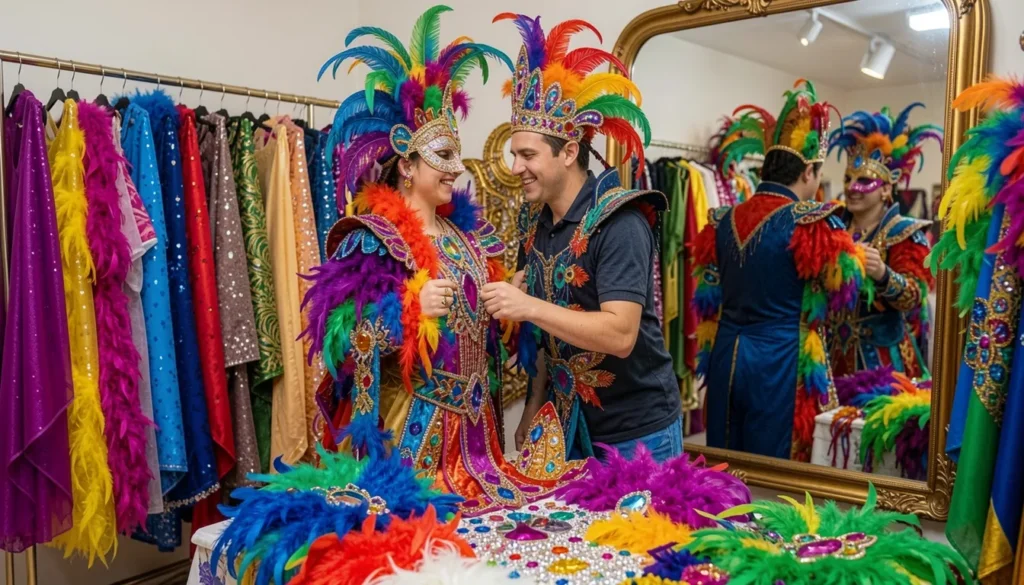
Selecting the right carnival costume involves several important decisions. In my experience, the best choice is not always the most elaborate one. Instead, it should match your comfort level, budget, and personal style.
Thinking about these factors early makes the preparation process much smoother.
Evaluate Your Stamina
Frontline costumes look amazing in photos, but they can be heavy. Carrying a large feather backpack under the hot sun requires energy and endurance.
If someone prefers to move freely and dance without restrictions, a backline costume may be the better option. Being honest about how much weight you want to carry helps prevent discomfort during the event.
Set a Realistic Budget
Carnival costumes can be a major investment. Backline costumes often cost between four hundred and eight hundred dollars. Frontline costumes are usually much more expensive and can reach prices above fifteen hundred or even two thousand dollars.
It is also important to remember the band registration cost. This fee usually covers drinks, food, and security during the parade day.
Consider Body Positivity and Comfort
Carnival celebrations promote confidence and self-acceptance. Many bands now provide different sizing and style options so that everyone can find something that fits well.
Some costumes offer high-waisted bottoms, full coverage corsets, or designs made for curvier body shapes. The most important thing is choosing a style that makes you feel confident and comfortable.
Top Festivals to Showcase Your Look
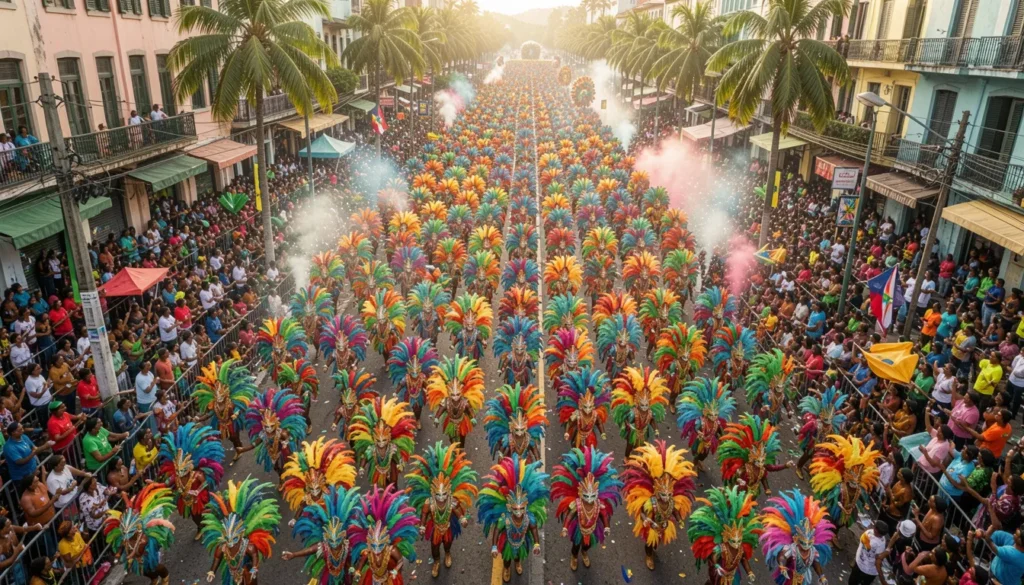
Carnival celebrations take place in many parts of the world, and each one has its own energy and style. Over the years, several festivals have become famous for their impressive costumes and lively atmosphere.
Trinidad Carnival
Trinidad Carnival is often called the “Mother of all Carnivals.” It is known for setting the highest standards for costume design and creativity.
Many of the most luxurious and detailed carnival outfits appear here. Designers use bold ideas and high-quality materials to create unforgettable pieces for the event.
Crop Over (Barbados)
Barbados celebrates Crop Over to mark the end of the sugar cane harvest. The final celebration, Grand Kadooment Day, features colorful parades filled with bright costumes.
The designs here often use vibrant colors and slightly different shapes compared to Trinidad styles.
Notting Hill Carnival (London)
Notting Hill Carnival in London is the largest street festival in Europe. Even though the climate is different from the Caribbean, the energy remains just as strong.
This festival also highlights community participation. Traditional masquerade characters often appear alongside modern carnival costumes made with beads and feathers.
Caribana (Toronto)
For people who cannot travel to the Caribbean, Toronto hosts one of the biggest Caribbean festivals in North America.
During this event, stunning carnival costumes fill the streets along Lakeshore Boulevard. It offers an accessible way for many people to experience carnival culture.
The Evolution of Sustainable Carnival Costumes
As environmental awareness grows, many carnival bands have started thinking about the impact of costume production. Thousands of costumes use feathers, plastic decorations, and other materials that may not always be environmentally friendly.
Earlier carnival traditions relied more on natural materials like leaves, cotton, and mud. Over time, many designers moved toward synthetic materials because they are easier to shape and decorate.
The Problem with Feathers
Modern carnival costumes often use dyed feathers from birds like pheasants or ostriches. Producing, transporting, and dyeing these feathers requires a large amount of resources.
After the carnival celebrations end, many of these materials are thrown away. This can create waste that ends up in landfills.
Eco-Friendly Alternatives
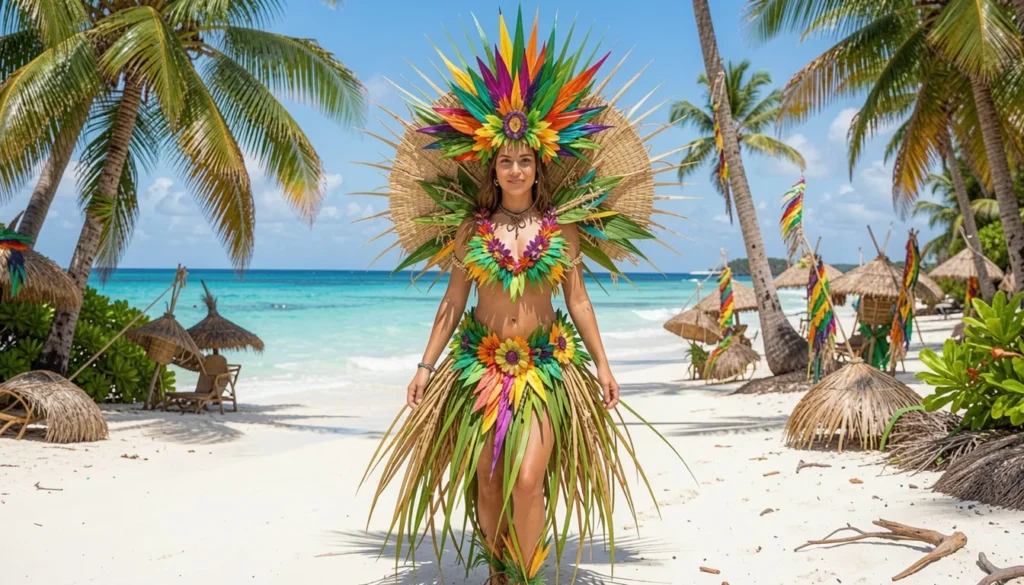
Some designers are now exploring more sustainable solutions. Recycled plastics, natural fibers, and reusable wire frames are becoming more common in costume design.
Materials like bamboo and woven palm leaves can also be used to create strong and beautiful structures. These options connect modern carnival fashion with the earlier traditions that used natural elements.
Essential Preparation and Fitting Tips
Once you have chosen and paid for your costume, preparation becomes the next important step. Distribution and fitting days are exciting moments, but they also require some planning.
Being prepared helps ensure that your costume fits well and stays secure throughout the event.
Prepare for Alterations
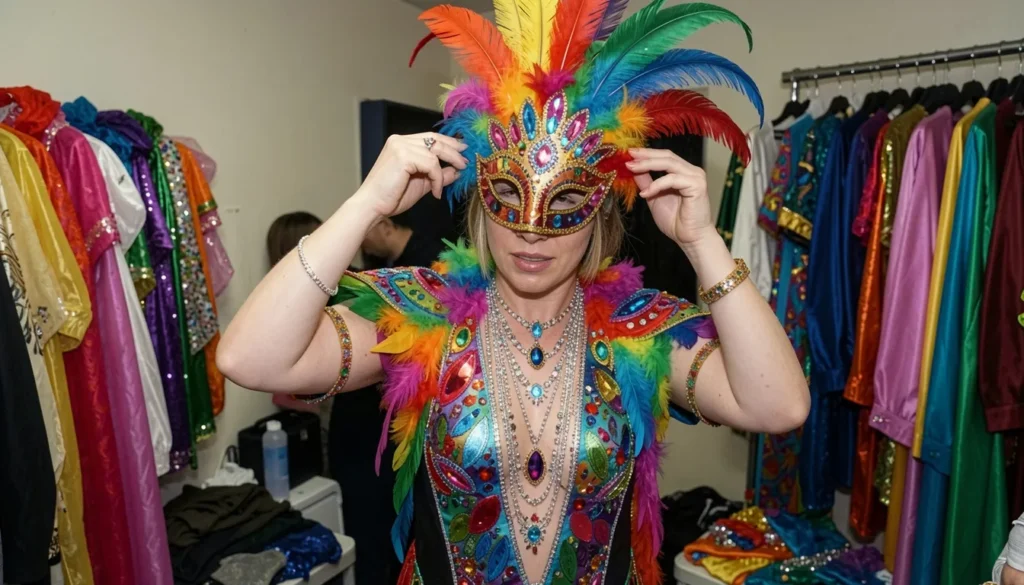
Costumes are usually created several months before the carnival takes place. Because of this long production time, small adjustments are sometimes needed when you finally receive the outfit.
It is helpful to bring simple tools like needle, thread, or fabric glue when traveling for carnival. Small changes to bikini bottoms or straps can make the costume fit much better.
Protect Your Skin
Carnival outfits often leave a lot of skin exposed to the sun. Spending many hours outside under strong tropical sunlight can lead to sunburn.
Applying a thick layer of waterproof sunscreen with high SPF before putting on the costume helps protect the skin and prevents discomfort during the event.
Secure Your Gems
During carnival dancing, it is common for a few decorative stones to fall off. To prevent this, many masqueraders apply a thin layer of clear nail polish over delicate rhinestones.
Double-sided fashion tape can also help keep the bra top in place. These small steps help maintain the look of the costume while you enjoy dancing throughout the day.
Conclusion
Wearing Caribbean carnival costumes is a powerful and exciting experience. These outfits represent a long history of cultural expression and freedom while allowing people to celebrate their individuality.
Understanding the different costume options, preparing properly for the physical demands of the event, and respecting the cultural background behind the celebration all help create a memorable carnival experience. When you choose the right outfit, wear comfortable footwear, and embrace the joy of the festival, the time spent on the road becomes truly unforgettable.
Frequently Asked Questions (FAQs)
Q1: What is the difference between a frontline and backline costume?
Frontline costumes are larger, more detailed, and more expensive. They usually include big feather backpacks, detailed body pieces, and heavy jewel decoration. Backline costumes follow the same theme but use smaller feather pieces and lighter designs, which makes them easier to wear and dance in for long hours.
Q2: Do I have to be Caribbean to wear carnival costumes?
Anyone can participate in carnival celebrations. However, it is important to respect the culture and understand the meaning behind the tradition rather than treating it simply as a costume party.
Q3: How do I safely pack a large feather backpack?
Many masqueraders receive their feather backpacks at their destination when they arrive for carnival. If someone needs to travel with it, the backpack is usually packed in a large flat cardboard box. It should be carried carefully to avoid crushing the feathers.
Q4: Can I customize my costume after purchasing it?
Yes, many people personalize their costumes. Masqueraders often add extra gems, wear unique boots, or create their own makeup looks. The only important rule is to make sure the changes still match the overall theme of the costume section.