Dream Bridal Outfits Guide: Wedding Wardrobe Ideas for Brides
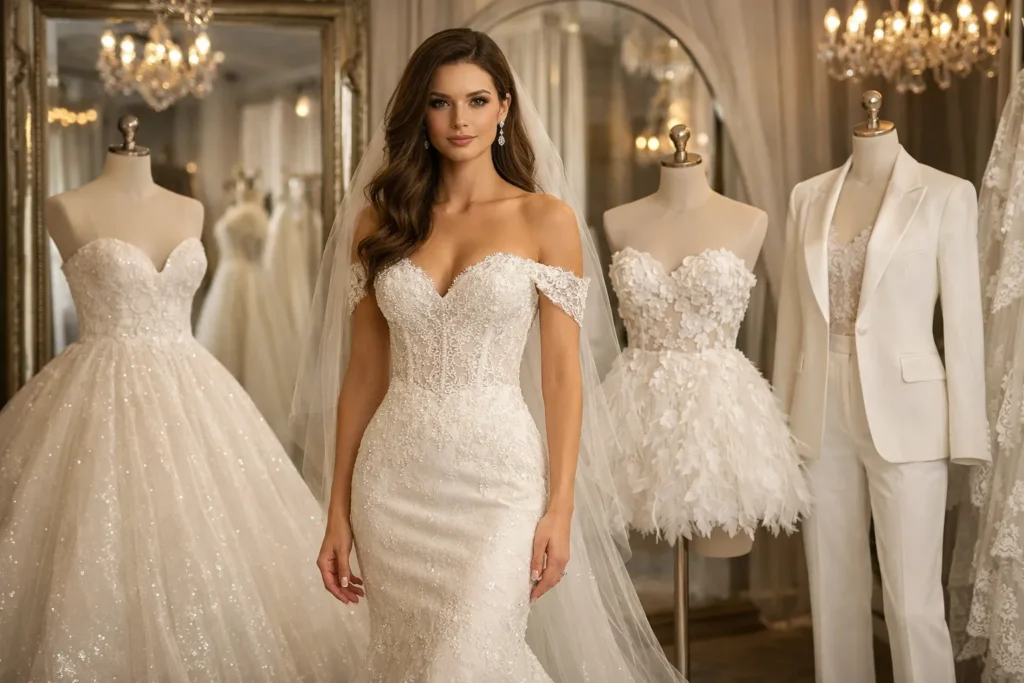
Planning my wedding felt like stepping into a once-in-a-lifetime experience, and choosing what to wear became one of the most exciting parts. I quickly realized that modern weddings go beyond a single dress. From intimate gatherings to grand celebrations, every outfit I picked helped define the mood of each moment.
Instead of focusing on just one gown, I built a full bridal wardrobe that reflected different sides of my personality. I explored playful minis, elegant jumpsuits, and a statement ceremony dress. This approach made every event feel unique and memorable.
In this guide, I’ll walk you through how I planned my wedding wardrobe step by step. I’ll cover outfit ideas for each event, fabric choices, styling tips, and practical advice so you can feel confident and prepared.
Above the Fold
I discovered that creating a complete bridal wardrobe made my wedding journey more stylish and stress-free. From engagement parties to the reception, each outfit played a role in telling my story. This guide shares practical tips, outfit ideas, and expert insights to help you build a cohesive and unforgettable wedding look.
The Rise of the Bridal Wardrobe
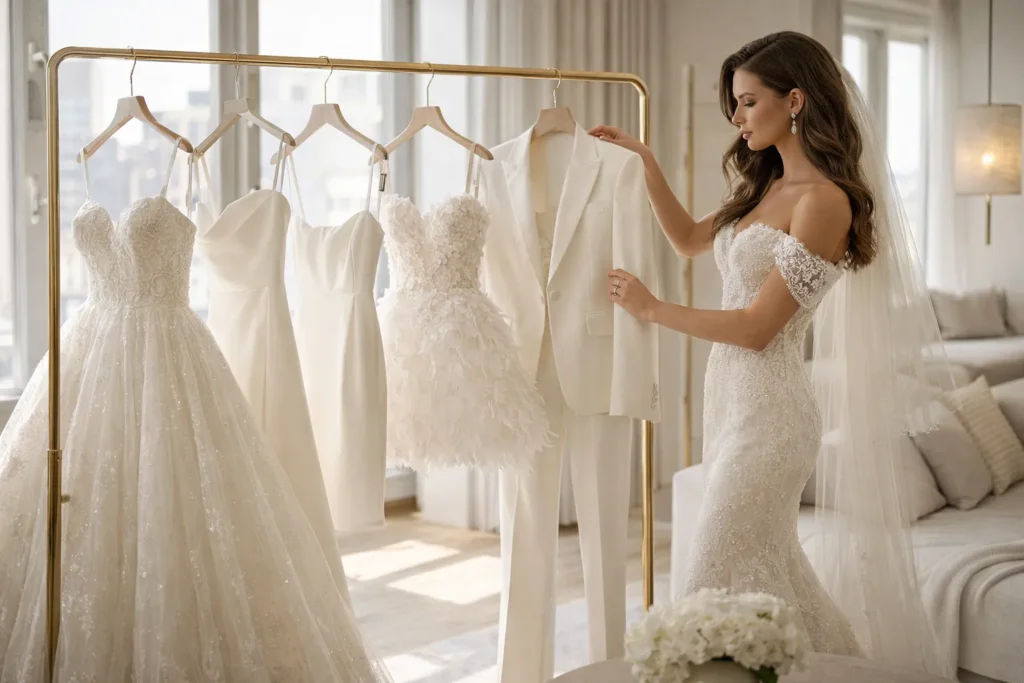
I noticed that weddings today are no longer just about one dress. With multiple events leading up to the big day, I needed outfits that matched each occasion. This shift has made the idea of a bridal wardrobe more popular than ever.
Having different looks gave me the freedom to experiment with styles I wouldn’t wear for the ceremony. It also made each event feel distinct and special. Plus, when I looked back at photos, every outfit marked a different chapter of the celebration.
Perfect Bridal Outfits for Pre-Wedding Events
Once I said yes, the celebrations started rolling in quickly. Each event had its own vibe, and dressing accordingly made the experience more enjoyable. Here’s how I approached each one.
The Engagement Party
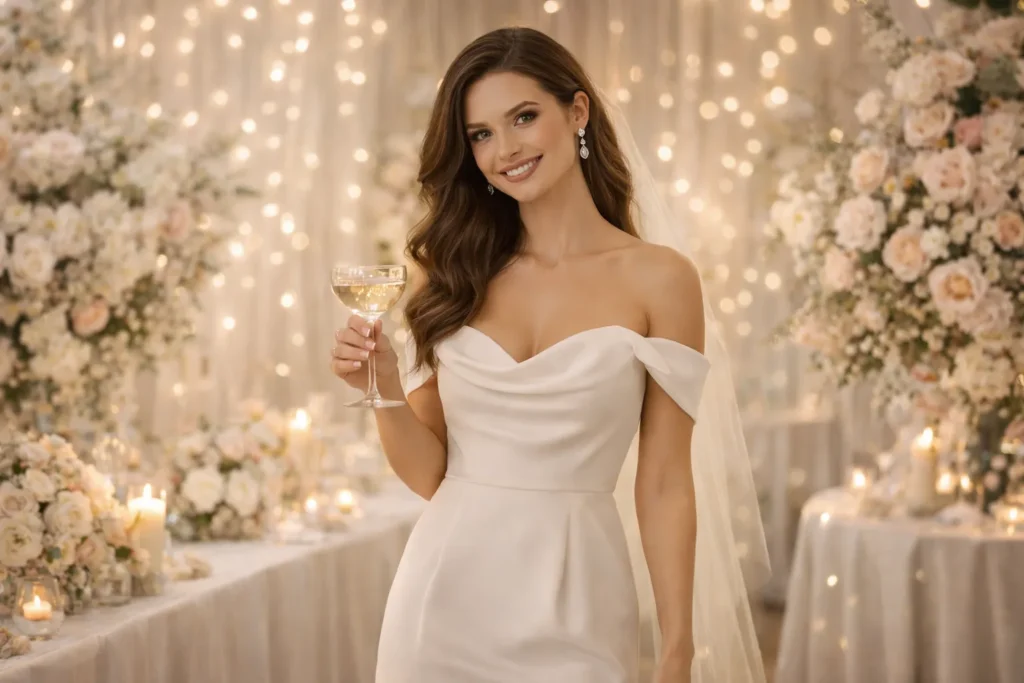
For my engagement party, I aimed for something elegant but not too formal. I wanted to look like a bride-to-be without going over the top.
I chose a soft white midi dress with subtle detailing. It felt timeless and comfortable. I kept accessories minimal so my engagement ring stood out naturally.
The Bridal Shower
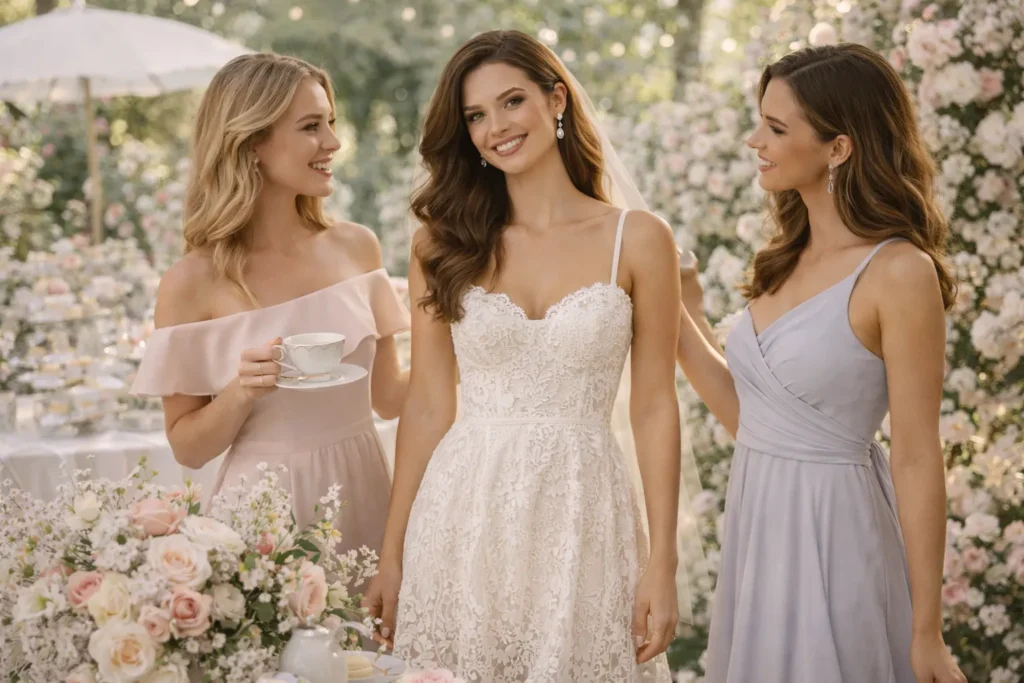
The bridal shower felt more intimate and daytime-focused. I leaned into softer tones and lighter fabrics.
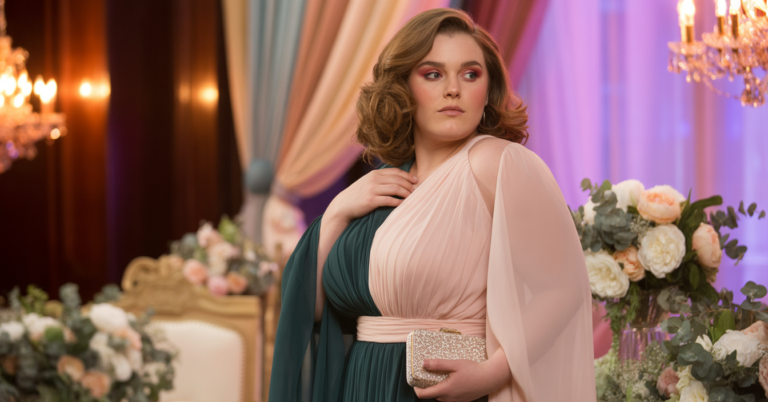
I went with a breezy dress in a pastel shade, which worked perfectly for a relaxed setting. Adding a simple hair accessory elevated the look without making it feel heavy.
The Bachelorette Weekend
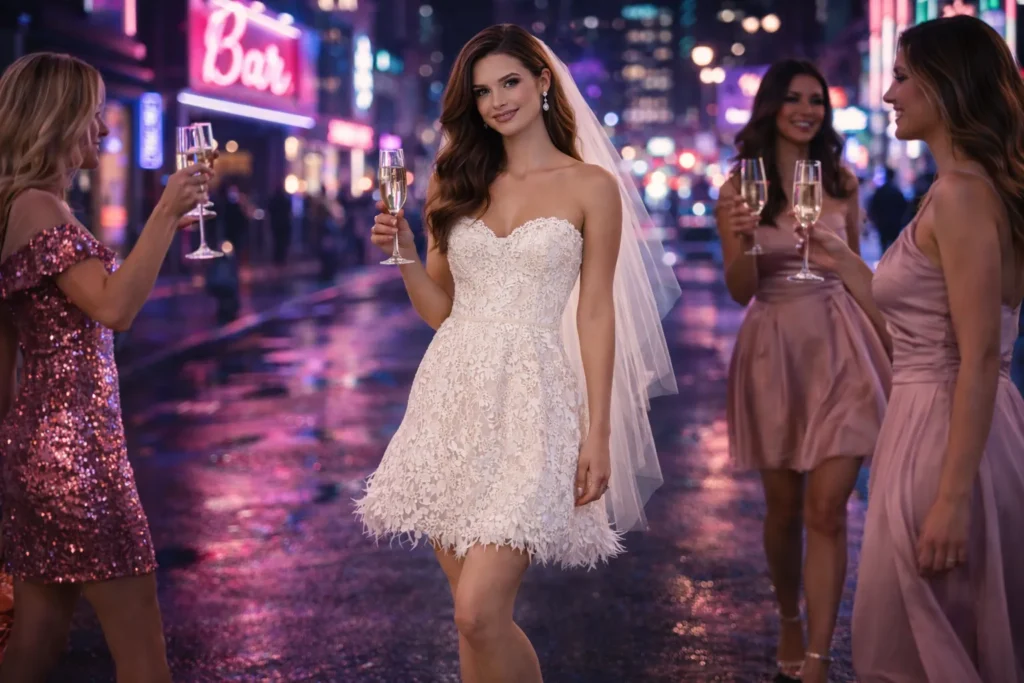
This was my chance to have fun and be bold with my outfits. I packed a mix of casual and statement pieces.
During the day, I wore easy, breathable outfits like skirts and tees. At night, I switched to something more glamorous, like a sparkly mini dress. Comfortable shoes were essential since I was always on the move.
The Rehearsal Dinner
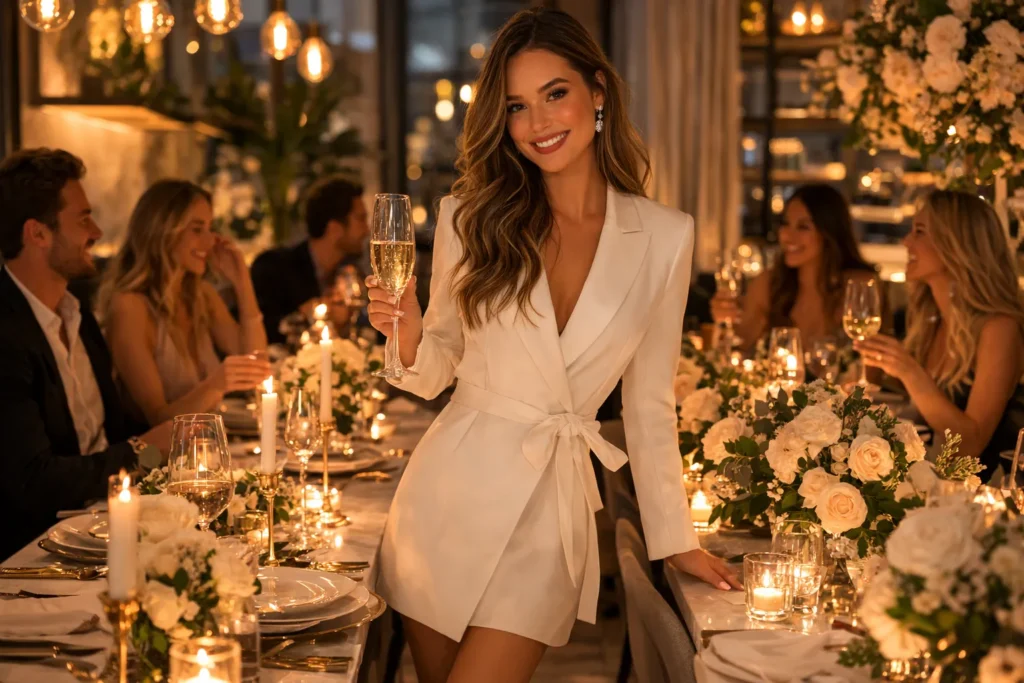
The rehearsal dinner felt like a bridge between casual and formal. I wanted something polished but not as dramatic as my wedding gown.
I chose a structured outfit that felt modern and refined. It gave me a confident look without overshadowing the main event.
The Main Event: Ceremony Bridal Outfits
Choosing my ceremony dress was the most important decision. I focused on finding a silhouette that made me feel confident and comfortable.
Classic Ballgowns and A-Lines
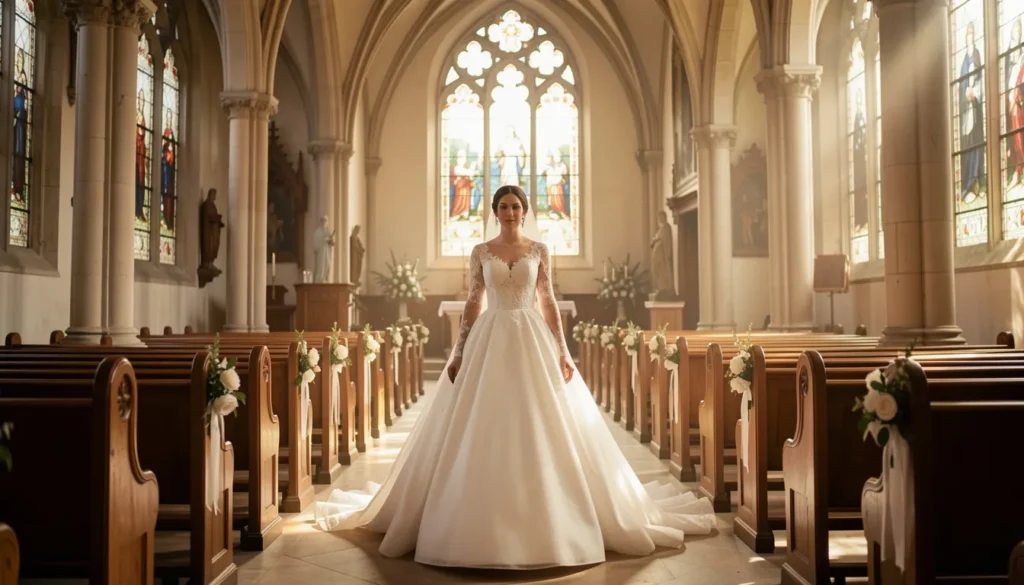
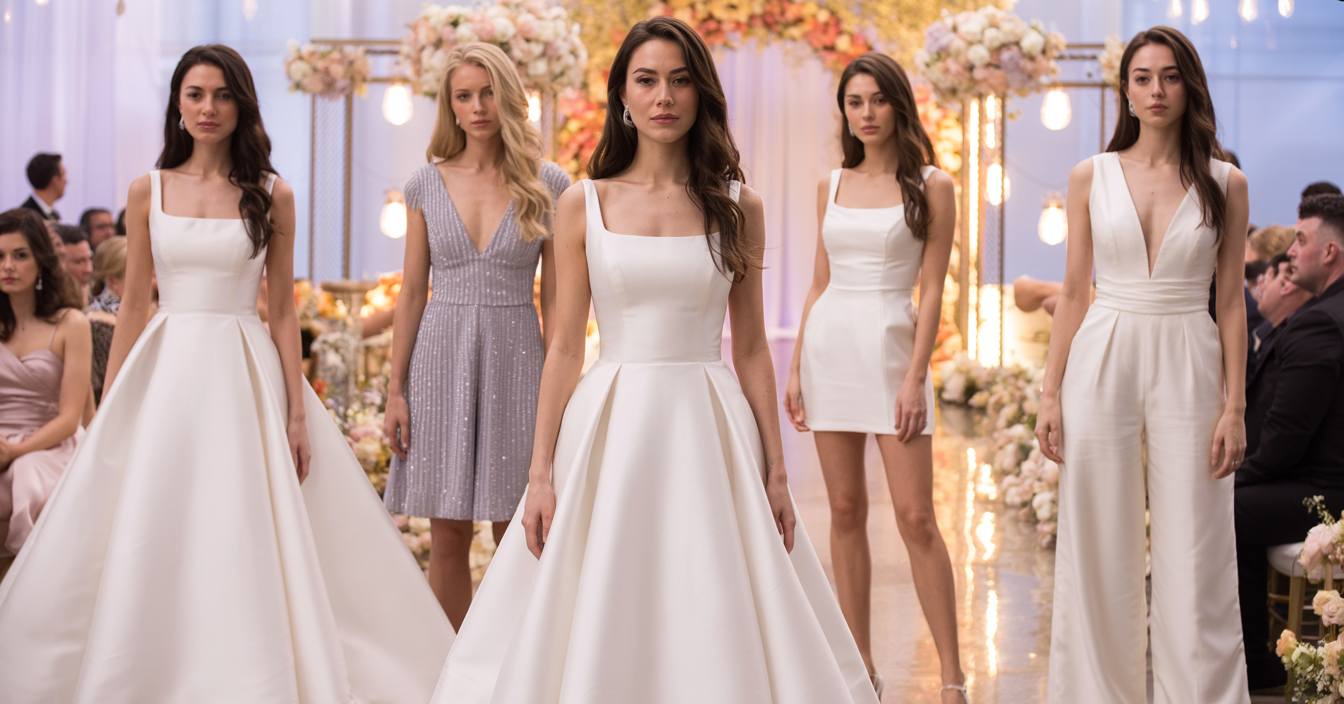
I explored traditional silhouettes first because they’re timeless and flattering. Ballgowns gave me that fairytale feel, while A-line dresses offered a softer, more versatile look.
Both styles worked beautifully depending on the level of formality I wanted.
Sleek Mermaids and Trumpets
For a more fitted look, I tried mermaid and fit-and-flare styles. These designs highlighted my shape and felt glamorous.
They worked especially well for evening weddings or formal venues where a bold statement felt appropriate.
Modern Sheaths and Columns
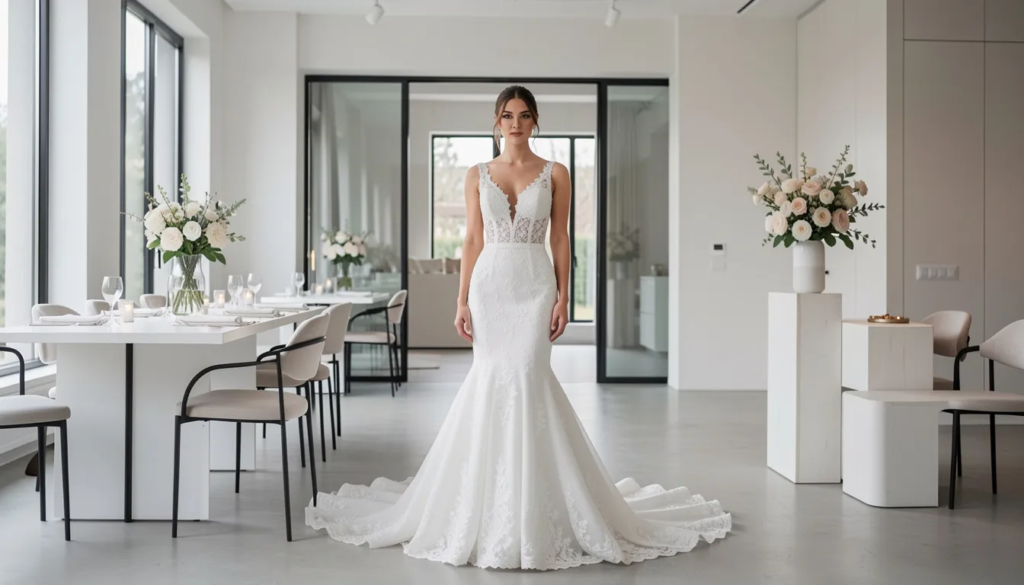
I also considered simpler silhouettes for a minimalist vibe. Sheath dresses felt effortless and lightweight.
They were perfect for warmer weather or outdoor settings where comfort mattered just as much as style.
Non-Traditional Choices
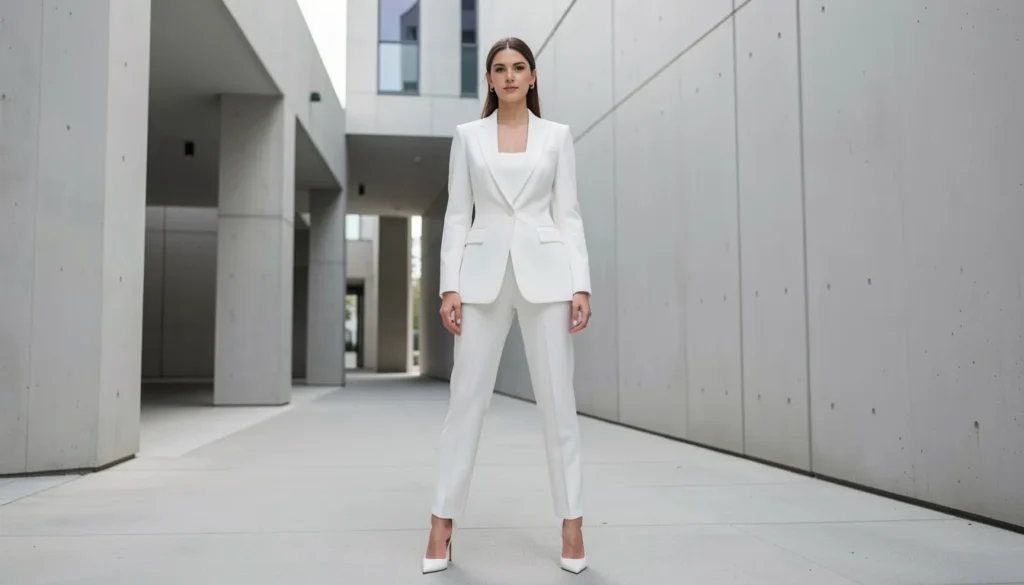
I loved that modern bridal fashion offers so many alternatives. Dresses are no longer the only option.
I explored suits, jumpsuits, and mix-and-match separates. These options felt fresh, stylish, and uniquely personal.
The Reception: The “Second Look” Trend
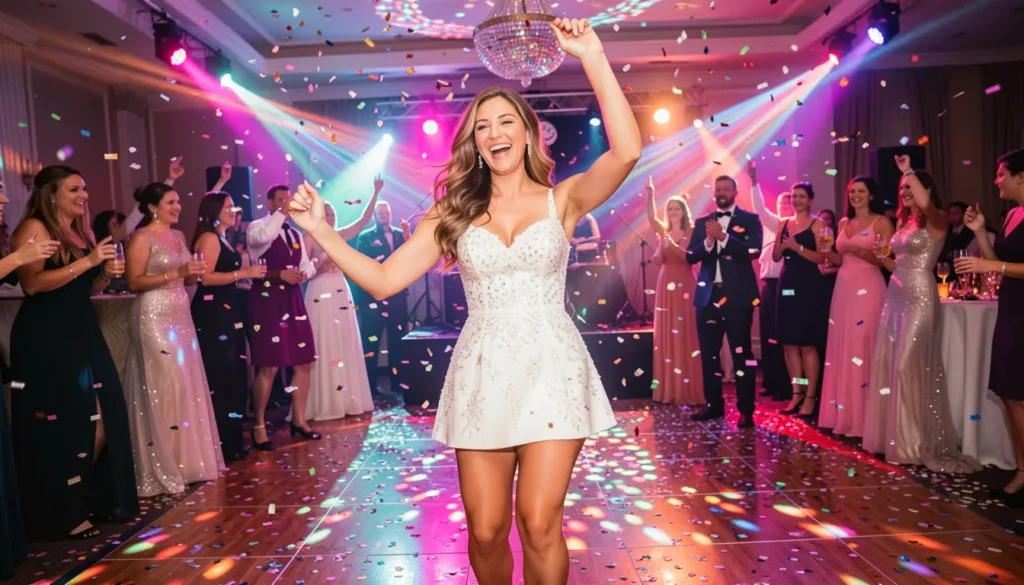
I quickly understood why so many brides choose a second outfit. Changing into something lighter made a huge difference during the reception.
It also shifted the mood from formal to celebratory. My guests instantly knew it was time to relax and enjoy the party.
Popular Reception Outfits
I found that short dresses worked best for dancing. They were fun, stylish, and easy to move in.
Slip dresses were another great option because they felt comfortable and looked elegant under evening lighting. For something playful, a romper offered total freedom.
Navigating Bridal Fabrics
Understanding fabrics helped me make smarter choices. The material of each outfit affected how it looked and felt throughout the day.
Structured and Formal Fabrics
Heavier fabrics gave structure and drama to my outfits. They worked best for formal settings and cooler weather.
These materials held their shape well and created a polished appearance.
Soft and Romantic Fabrics
Lightweight fabrics felt airy and comfortable. I preferred them for outdoor or destination events.
They moved beautifully and added a soft, romantic touch to my overall look.
The World of Bridal Lace
Lace added texture and personality to my outfits. Each type created a different mood.
Some styles felt vintage and delicate, while others looked bold and modern. Choosing the right lace made a noticeable difference.
Selecting Outfits by Venue and Season
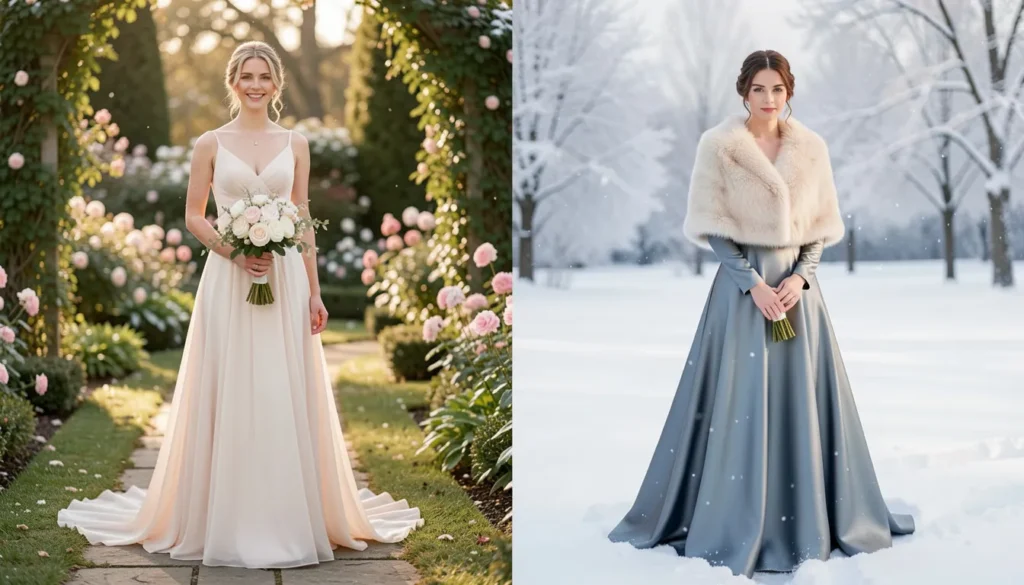
I realized that my venue and wedding date played a huge role in my outfit choices. Dressing appropriately kept me comfortable throughout the celebrations.
Spring and Summer Weddings
For warmer weather, I focused on breathable fabrics and lighter designs. This helped me stay cool and relaxed.
Shorter hemlines and open necklines worked well, especially for outdoor settings.
Fall and Winter Weddings
Cooler seasons allowed me to experiment with heavier fabrics and layered looks.
Long sleeves and rich textures created a more dramatic and luxurious feel.
Destination and Beach Weddings
For destination weddings, practicality became essential. I chose outfits that were easy to pack and wear.
Lightweight materials and simple silhouettes worked best. I also switched to comfortable footwear for outdoor conditions.
Accessorizing Your Bridal Looks
Accessories helped me personalize each outfit without overwhelming it. Small details made a big impact.
Veils and Capes
I found that veils added a classic touch to my bridal look. Different lengths created different effects.
Capes felt like a modern alternative and added a unique element to my outfit.
Jewelry Rules of Thumb
I kept my jewelry simple and balanced. Matching metals with my dress color made everything look cohesive.
I also considered necklines before choosing necklaces or earrings.
Bridal Footwear
Comfort became my top priority when choosing shoes. I knew I would be on my feet for hours.
Breaking in my shoes ahead of time saved me from discomfort on the big day.
The Alterations Timeline: Getting the Perfect Fit
I learned that even the perfect dress needs adjustments. Starting early helped avoid last-minute stress.
When to Shop
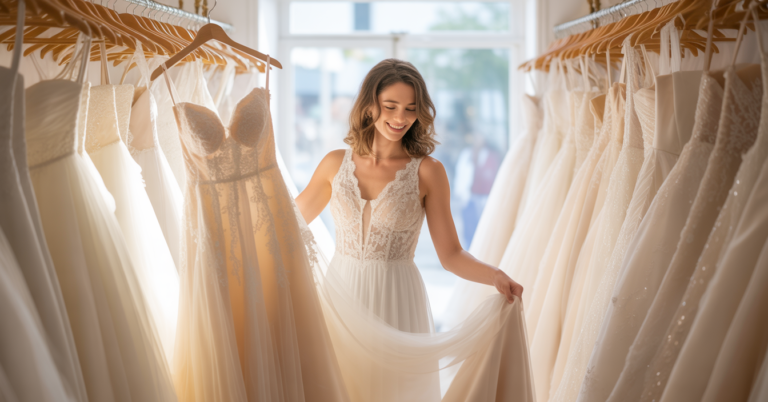
I began shopping almost a year in advance. This gave me enough time for delivery and fittings.
It also allowed me to explore options without feeling rushed.
The Fitting Process
My fittings were spaced out over a few months. Each session improved the fit step by step.
Bringing the right shoes and undergarments ensured everything was tailored perfectly.
Budgeting for Your Wedding Wardrobe
Managing my budget was essential since multiple outfits can add up quickly.
Smart Saving Strategies
I saved money by renting outfits for smaller events. This helped me access high-quality pieces without overspending.
I also looked for sales and chose items I could wear again after the wedding.
Sustainable and Eco-Friendly Bridal Fashion
Sustainability became an important factor in my decisions. I wanted my choices to be mindful and responsible.
I explored secondhand options and brands that focus on ethical practices. Upcycling also gave sentimental pieces a fresh new life.
Key Takeaways
I learned that having multiple outfits adds flexibility and comfort throughout wedding events
Choosing fabrics based on season and venue makes a big difference in comfort
A second reception look is both practical and fun
Starting early helps avoid stress with fittings and alterations
Budgeting smartly allows you to enjoy fashion without overspending
Conclusion
Putting together my bridal wardrobe turned out to be one of the most rewarding parts of wedding planning. Each outfit reflected a different moment and emotion throughout the journey.
By choosing the right styles, fabrics, and accessories, I felt confident at every event. Staying true to my personal style made the experience even more meaningful.
Frequently Asked Questions (FAQs)
1. How many bridal outfits do I actually need?
I found that there is no fixed number. At minimum, one outfit is enough, but having 3 to 5 looks covers most wedding events comfortably.
2. Can I wear pants down the aisle?
Yes, I discovered that pantsuits and jumpsuits are stylish and modern options. They offer both comfort and a bold fashion statement.
3. What should I wear under my wedding dress?
It depends on the dress style. I chose undergarments that matched my outfit’s structure and made sure to bring them to fittings.
4. Is it acceptable to wear colors other than white?
Absolutely, I learned that modern brides are embracing colors beyond white. Soft pastels or even bold shades can beautifully reflect your personality.