
-10 Degree Weather Outfits: A Complete, In-Depth Guide to Dressing Warm, Smart & Stylish in Extreme Cold

The first time I faced true sub-zero winter, it hit me like a wall. Outside, everything looked perfect—snow blanketing rooftops, streetlights glowing softly, and a sky so clear and bright it felt like glass. I thought a sweater, coat, jeans, and a scarf would be enough to step out.
I was completely wrong.
The cold surged in the moment I opened the door. It slid under my collar, bit at my ears, and numbed my fingers before I even reached the driveway. Frost formed on my eyelashes, and my breath turned into quick-vanishing clouds. Within minutes, I was back inside, shivering to my bones and humbled by the chill.
That’s when I realized something crucial: -10°C isn’t just weather—it’s a full environment. You don’t just dress in it; you dress for it.
After that day, winter stopped being a threat and became a puzzle I could solve. I learned how to layer properly, how fabrics interact with wind, and what actually keeps you warm. Suddenly, I could walk through snowy mornings, notice snowflakes landing on my sleeves, breathe deeply, and even enjoy the season. I want you to feel that same comfort and confidence.
In this guide, I’ll show you exactly how to build -10°C outfits that are warm, breathable, lightweight, stylish, and comfortable—even if you’ve never truly experienced harsh winter before.
Stepping into -10°C weather can feel brutal if you’re unprepared, but it doesn’t have to be. With the right layering system, fabric choices, and accessories, you can stay warm, comfortable, and stylish while enjoying winter instead of dreading it. This guide walks you through every layer, outfit idea, and practical tip for surviving and thriving in extreme cold.
Why -10°C Feels Different: The Science Behind the Cold
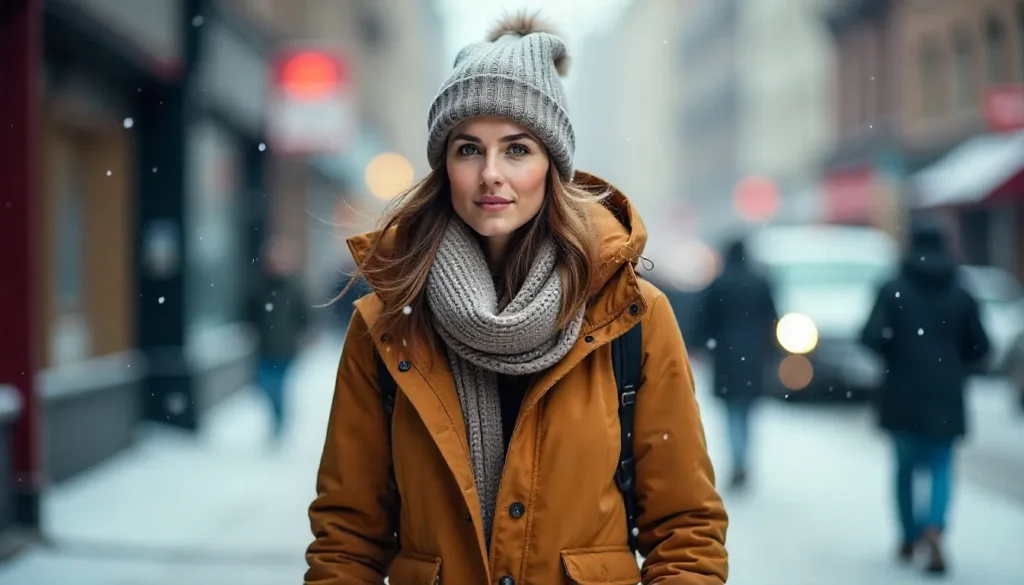
Many people think -10°C is just “a bit colder” than -5°C, but the difference is dramatic. Air feels sharper, moisture freezes quickly, and wind can make it feel like -15 or -20°C. Exposed skin cools fast, and clothing that works at milder temperatures suddenly fails.
The science is simple: our bodies lose heat faster below freezing, sweat freezes, wind amplifies cold, and extremities—hands, feet, ears, nose—lose warmth first. Respecting the cold means dressing intelligently, not piling on random layers or relying solely on a big coat. Each piece of clothing must work together to protect your body.
What Makes a Good -10 Degree Weather Outfit?
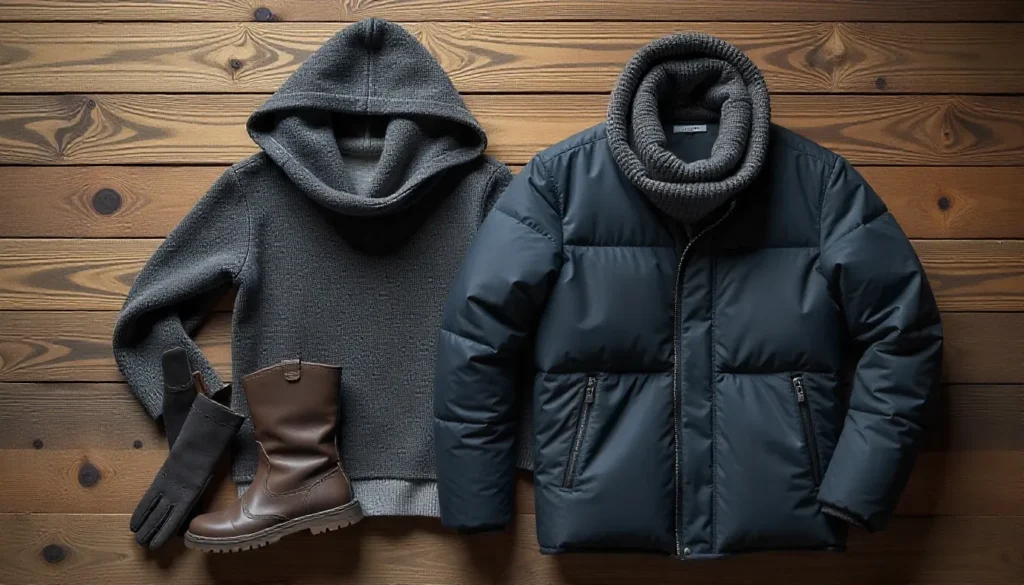
A strong winter outfit isn’t just about the coat—it’s about building layers like a warm, efficient house. The base layer is the foundation, invisible but critical. The mid layer insulates like walls, trapping heat close to your body. The outer layer acts as the roof, shielding you from wind, snow, and freezing air. When each layer works with the others, even bitter cold becomes manageable.
The Base Layer: Where Warmth Begins
The base layer sits against your skin and its main job is moisture management. Sweat is your enemy in sub-zero weather; frozen moisture steals heat. Merino wool is ideal—it’s warm, breathable, and retains insulation even when damp. Synthetic thermals are perfect for active days, and silk is a lightweight option under heavier clothing. Avoid cotton—it traps moisture and chills the body quickly.
The Mid Layer: The Keeper of Heat
Once your skin stays dry, the mid layer’s job is to retain warmth. Wool sweaters, fleece jackets, insulated vests, or lightweight down pieces all do this well. The goal is trapped warm air, not bulk. Make sure this layer allows movement; tight sleeves or heavy restrictions can cause overheating indoors or limit mobility outside.
The Outer Layer: Your Shield Against the World
The coat is your final defense against wind, snow, and cold air. Ideally, it covers the hips and rear to prevent heat from escaping. Down coats are light and warm, while synthetic insulated coats perform better in wet conditions. Waterproof and windproof shells work well for outdoor adventures. Accessories are essential—gloves, hats, scarves, thermal socks, and insulated boots protect heat-sensitive extremities. Cold creeps in quietly through gaps, so cover edges carefully.
-10 Degree Weather Outfits in Real-World Scenarios
A Slow Walk on a Snowy Morning

Walking outside in gentle snow can feel magical when you’re layered properly. A merino base, wool sweater, and long parka keep you warm. Add a knitted hat, scarf, and insulated gloves, and the world feels calm instead of harsh. You can enjoy each snowflake, breathing in crisp air without shivering.
A Commute to Work in Bitter Wind
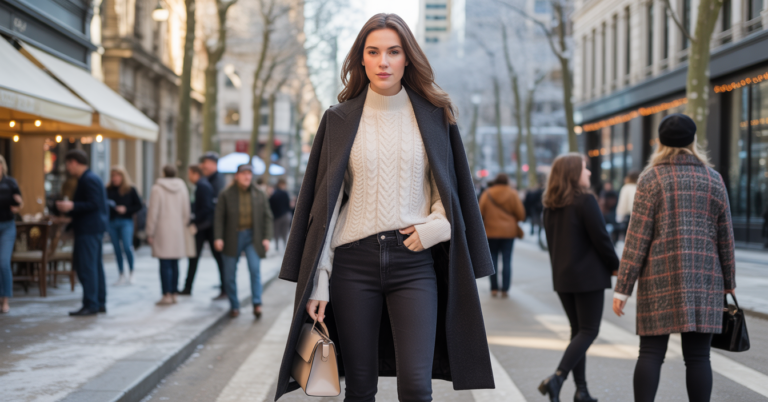
City wind can pierce even a thick coat. A thermal base, turtleneck, fleece-lined trousers, and a tailored coat make walking in icy air comfortable. Leather gloves lined with cashmere keep your hands nimble. With proper layering, winter becomes a season you move through smoothly instead of bracing against.
Playing in the Snow with Children or Pets
Active movement generates heat, but sweat can chill you. Synthetic bases prevent freezing moisture, a puffer vest protects your torso, and waterproof pants keep you dry. Mittens are warmer than gloves, and even as cheeks redden, your body stays comfortable. Proper layering transforms winter into fun, not punishment.
Travel Days Through Airports & City Streets

Airports are warm, outdoor streets are cold. A breathable base, warm mid layer, and packable parka let you transition easily. Keep gloves, thermal socks, and a neck gaiter handy. Being adaptable means no sweating indoors or freezing outside—you move between climates effortlessly.
Extended Comparison Table for -10 Degree Weather Outfits
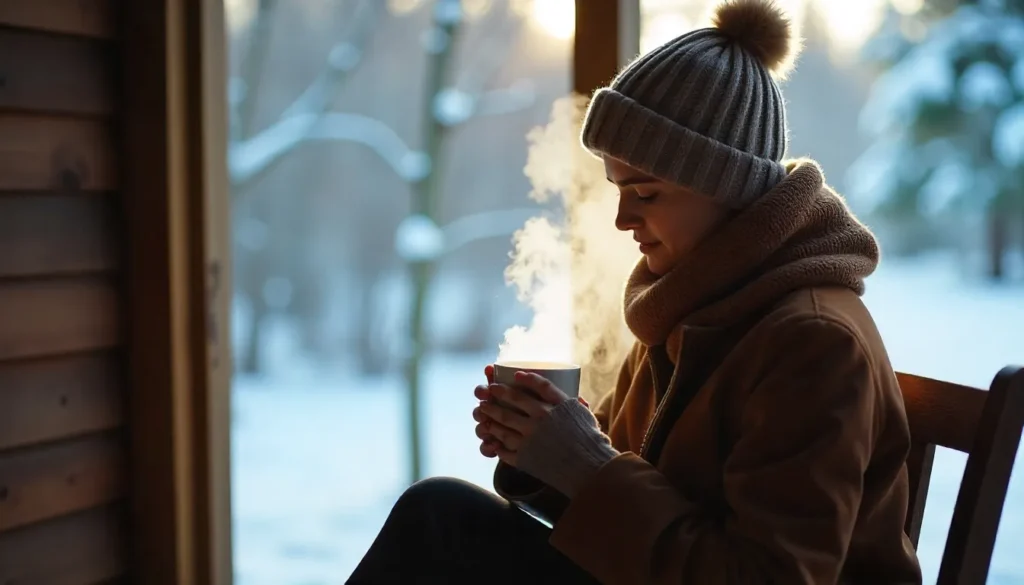
| Use Case | Best Outfit Type | Why It Works | Ideal Fabrics |
|---|---|---|---|
| Everyday errands | Classic 3-layer outfit + accessories | Reliable warmth without overthinking | Merino base, wool mid, down coat |
| Outdoor hiking | Breathable layers + windproof shell | Sweat release prevents chill | Synthetic base, fleece mid, waterproof shell |
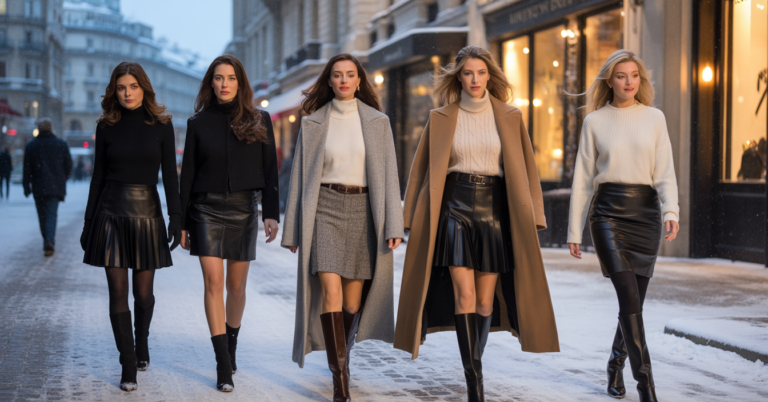
| Stylish city wear | Warm but sleek silhouette | No bulk, still insulated | Cashmere sweater, wool coat, lined trousers |
| Long exposure | Extra insulation + heavier socks | Prevents passive cooling | Down vest + parka, wool socks |
| Snow sports | High mobility + waterproofing | Keeps dry while active | Performance synthetics, snow pants |
| Travel | Packable layers | Easy to remove/adjust | Merino base, light puffer, compressible parka |
Choosing an outfit is about behavior, not just warmth—how active you’ll be and how long you’ll spend outside matters.
Mistakes People Commonly Make in -10°C Weather

Winter struggles aren’t inevitable; they’re usually caused by poor layering. Single coats without inner layers let heat escape. Tight boots or double socks reduce circulation. Fashion over function can leave you freezing.
Tips: layer fleece-lined tights under jeans, switch gloves for mittens if hands ache, and adjust your mid layer if your coat feels heavy but not warm. Understanding layering makes winter manageable.
How to Shop Smart for -10 Degree Weather Outfits
You don’t need a full new wardrobe. Invest in 2–3 strong base layers and one reliable coat. Look for fabrics that retain heat and repel moisture. Thrift stores can yield wool sweaters, down jackets, and quality boots affordably. Treat your winter wardrobe like equipment—prioritize function, then add style.
Embrace Winter Instead of Escaping It
Once you master layering, -10°C stops being intimidating. You can notice snowflakes, feel the crunch underfoot, and enjoy crisp air. Winter becomes an experience instead of a challenge. Dressing correctly lets you slow down, breathe deeply, and enjoy the quiet beauty of the season.
Key Takeaways
- Layering is essential: base, mid, outer.
- Moisture management beats bulk—avoid cotton next to skin.
- Accessories are not optional—protect extremities.
- Outfit choice depends on activity and exposure.
- Function first, style second—you can achieve both.
Conclusion
Dressing for -10°C is about collaboration with the weather, not confrontation. With smart base layers, a warm mid layer, protective outerwear, and well-chosen accessories, winter loses its sting. You can move confidently, explore snowy landscapes, and live fully, even in extreme cold. Proper outfits give you freedom, comfort, and the chance to embrace winter’s magic. Dress wisely, dress warmly, and walk into the season.
FAQs
1. Can I wear cotton at -10°C?
Cotton is not safe as a base layer—it traps moisture and chills you. Use wool or synthetic fabrics closest to your skin.
2. Is it possible to look stylish in -10 degree weather outfits?
Absolutely. Fitted, high-quality layers and a tailored coat create warmth without bulk while keeping a polished appearance.
3. Are jeans okay for -10°C weather?
Jeans alone are insufficient. Pair them with thermal leggings or fleece tights to stay warm.
4. Do two pairs of socks make feet warmer?
Only if boots have room. Tight layers reduce circulation. One thick wool sock often works better than two thin pairs.
5. What matters more: coat or base layers?
Base layers are the most critical. Without proper layers beneath, even the best coat cannot keep you warm.