The Ultimate Guide to Perfecting Your Renaissance Fair Outfit
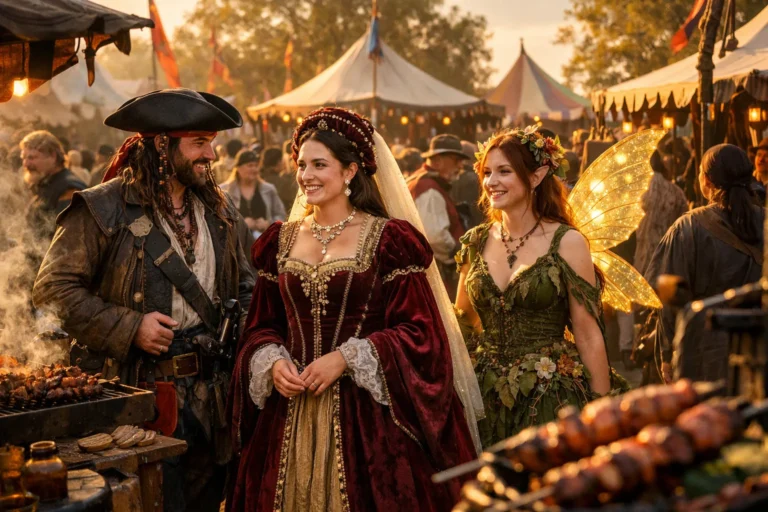
I always find Renaissance fairs exciting because they feel like stepping into another world filled with music, costumes, and fantasy characters. For me, dressing up is the easiest way to become part of that experience instead of just watching from the sidelines. My Renaissance Fair outfit is not just clothing it’s my way of entering the story.
Whether I choose to look like a noble, a pirate, or a forest fairy, I always try to balance comfort with creativity. In this guide, I’ll share how I build my outfit step by step so you can enjoy the same immersive experience.
When I prepare my Renaissance Fair outfit, I focus on comfort, creativity, and immersive storytelling. In this guide, I’ll walk you through outfit ideas, layering techniques, accessories, footwear, and practical tips so you can fully enjoy the fair while looking like you belong in another era.
Key Takeaways
I always build my outfit in layers for comfort and depth
Fantasy and historical styles are both equally acceptable
Accessories are essential for completing the character look
Comfortable footwear is the most important choice for the fair
Weather and mobility should always be considered
Understanding the Magic of Renaissance Fairs
Before I choose any outfit, I always remind myself what a Renaissance fair actually represents. These events are inspired by 16th-century Europe but mixed with fantasy, mythology, and theatrical storytelling. That mix is what makes dressing up so flexible and fun.
I don’t treat it like strict historical reenactment unless I want to. Instead, I see it as a creative space where I can experiment with characters. Whether I want to go historically inspired or fully fantasy-driven, both styles are accepted and celebrated.
Historical Accuracy vs. Fantasy Fun
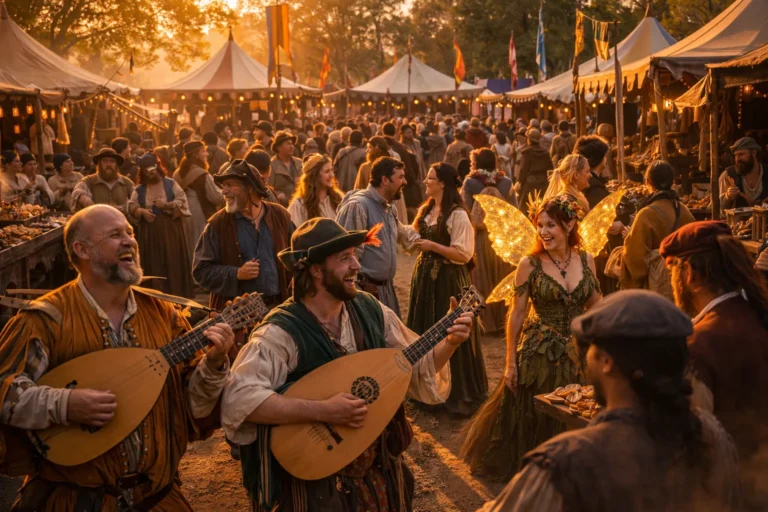
When I first started going to fairs, I wondered how accurate my outfit needed to be. Over time, I realized there’s no strict rule it depends on personal preference.
If someone enjoys historical accuracy, they can build detailed outfits using era-specific fabrics and designs inspired by Tudor or Elizabethan fashion. But in my experience, most people lean into fantasy, dressing as elves, pirates, or magical beings. That freedom is what makes the experience so enjoyable.
Building Your Renaissance Fair Outfit Step by Step
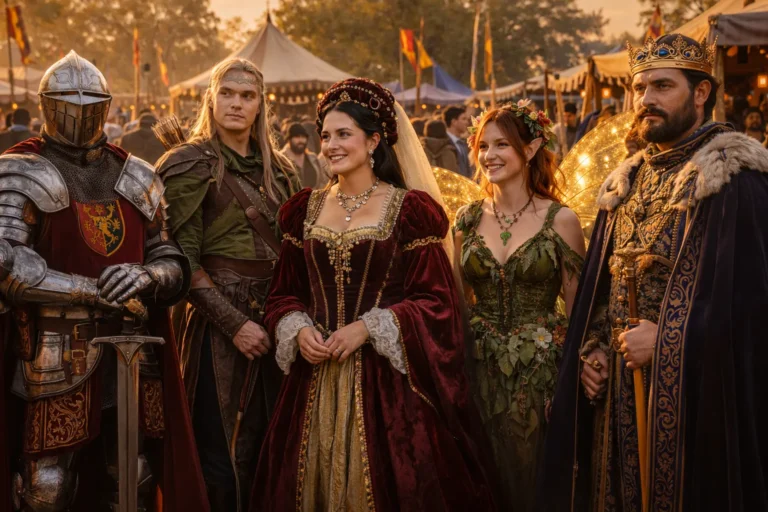
Whenever I create my outfit, I always think in layers. Layering helps me build depth, texture, and a more realistic character look instead of something flat or costume-like.
Start with the Base Layers
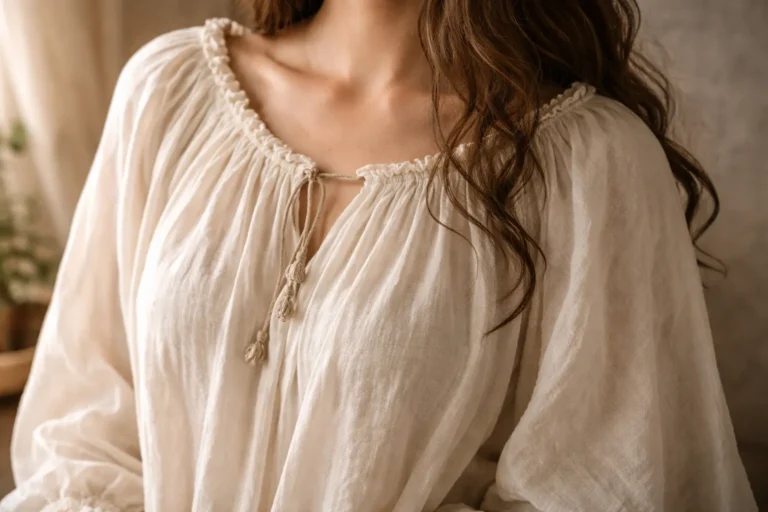
For me, everything starts with the layer closest to the skin because comfort is key for long hours at the fair.
For women, I usually think of a lightweight chemise made from breathable cotton or linen. It gives a soft foundation and works well under other layers. For men, I prefer a loose tunic-style shirt that feels relaxed and natural.
When it comes to bottoms, I go for long skirts or layered skirts for women and simple trousers or breeches for men. These basics help set the tone for the entire outfit.
Add the Outerwear
Once the base is ready, I focus on defining the character through outerwear. This is where the outfit really starts to come alive.
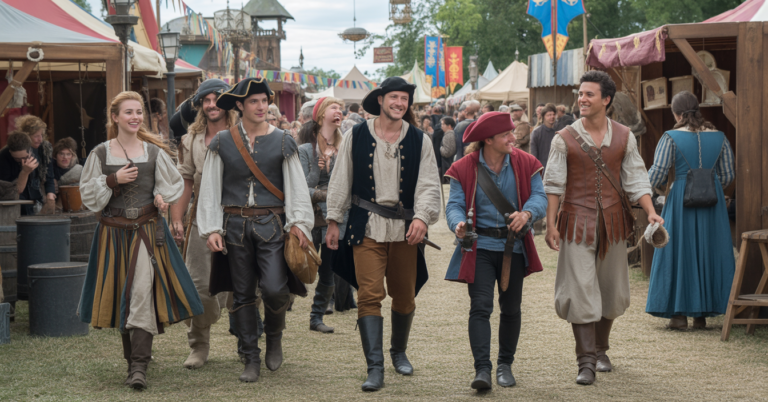
I like using bodices or corsets for a more structured feminine silhouette, while men can use vests or doublets to create a noble or warrior-inspired look. When I want something more dramatic, I always add a cloak or cape because it instantly elevates the entire appearance.
Popular Costume Ideas for Women
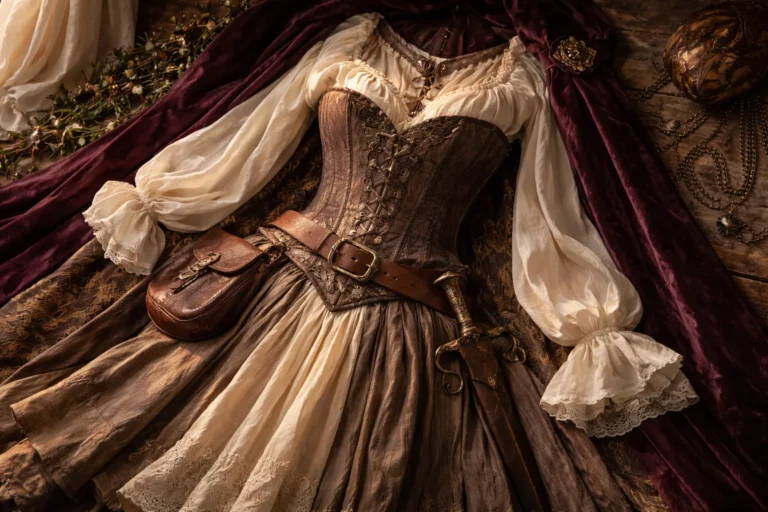
When I need inspiration, I usually turn to classic character styles that always work well at Renaissance fairs.
The Noblewoman
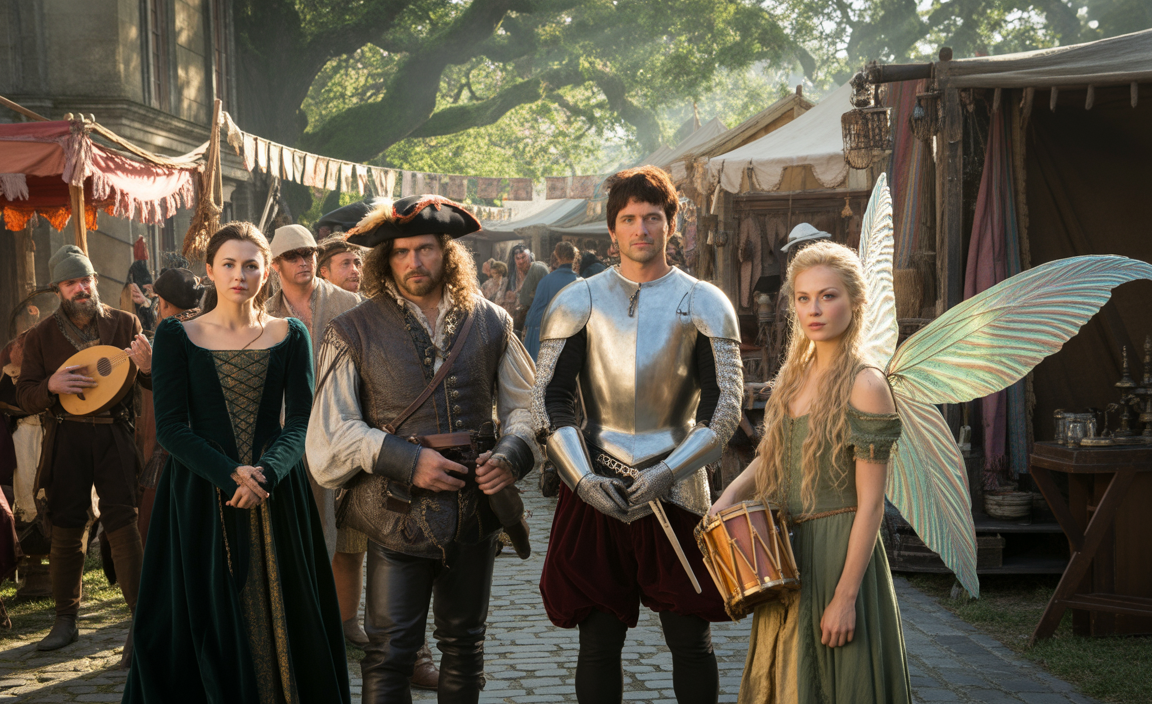
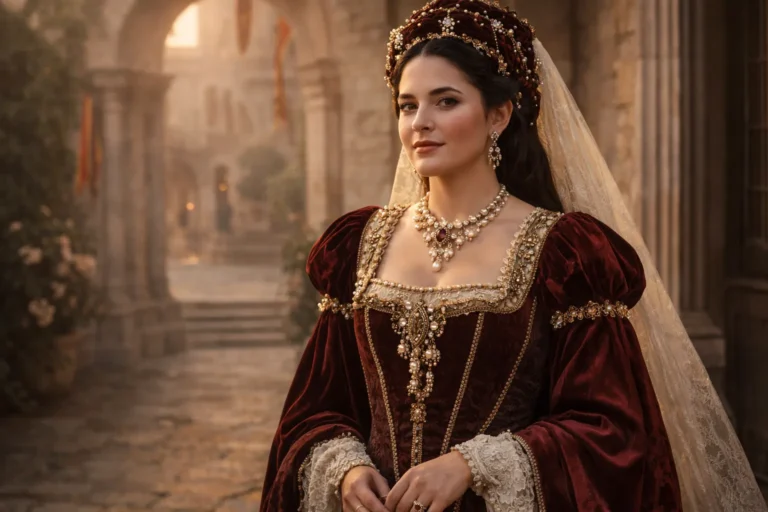
Whenever I want a more elegant look, I go for a noble-inspired outfit. I choose rich fabrics like velvet or brocade and focus on structured dresses with dramatic sleeves. Accessories like headpieces, jewelry, and detailed hair styling help complete the royal feel.
The Tavern Wench or Peasant Girl
This is one of my favorite and most comfortable styles. I usually pair a simple chemise with a fitted bodice and a layered skirt. It gives me freedom to move around easily while still looking fully in theme. I often finish the look with a ribbon or floral accessory.
The Fantasy Creature (Fairy, Elf, Nymph)
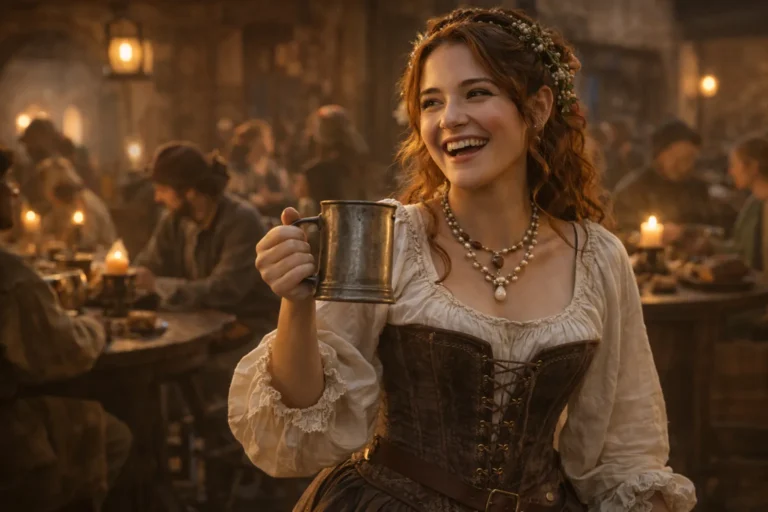
When I want something more magical, I go full fantasy. I play with earthy tones or bright jewel colors and add natural elements like flowers or leaf details. Wings or elf-inspired accessories help transform the entire look into something enchanting.
Popular Costume Ideas for Men

Men’s outfits at Renaissance fairs can be just as creative, and I always enjoy how flexible the styles are.
The Knight or Warrior
When I want a bold look, I go for a knight-inspired outfit. I don’t always use heavy armor instead, I prefer lightweight alternatives like chainmail-style pieces over a tunic. Accessories like belts, bracers, and props complete the warrior identity.
The Pirate or Privateer
Pirate outfits are always fun because they feel energetic and expressive. I usually start with a loose shirt and layered vest, then add boots, belts, and a hat. Small details like rings or props really help bring the character to life.
The Peasant or Tradesman
For a simpler and more comfortable style, I go for a tradesman look. I use earth-toned clothing and add small props that suggest a profession, like a pouch or tankard. It’s easy, practical, and still fits perfectly into the fair atmosphere.
Essential Accessories to Complete the Look
For me, accessories are what turn an outfit into a real character. Without them, the look feels incomplete.
I always carry a leather pouch for essentials like my phone and money. Belts, mugs, and small props also help me stay in character while being practical. Decorative pieces like floral crowns or caps add personality depending on the theme I choose.
Renaissance Accessory Guide
I find it helpful to think of accessories based on their purpose and character role.
| Accessory | What I Use It For | Best Character Types |
|---|---|---|
| Leather Pouch | Carrying essentials discreetly | All characters |
| Belt Mug | Functional drink holder | Pirates, peasants, tradesmen |
| Floral Wreath | Decorative fantasy touch | Fairies, maidens, forest characters |
| Headwear | Adds historical or noble detail | Villagers, nobles, peasants |
| Weapons Props | Character realism and immersion | Knights, pirates, warriors |
Choosing the Right Footwear
Footwear is something I never take lightly because fairs involve a lot of walking. I always prioritize comfort first.
I usually go for tall leather boots when I want a strong character look. For simpler outfits, I choose flats or soft shoes. Sometimes I even wear comfortable sneakers under long costumes because no one notices them and my feet stay pain-free.
Do’s and Don’ts for Your First Renaissance Fair Outfit
Over time, I’ve learned a few simple rules that make the experience much better.
I always choose breathable fabrics like cotton or linen and dress in layers so I can adjust easily. I also make sure to stay hydrated and protect myself from the sun.
On the other hand, I avoid heavy synthetic fabrics because they trap heat and make walking uncomfortable. I also skip high heels and overly restrictive clothing because comfort matters more than perfection.
Tips for Surviving the Fair in Your Costume
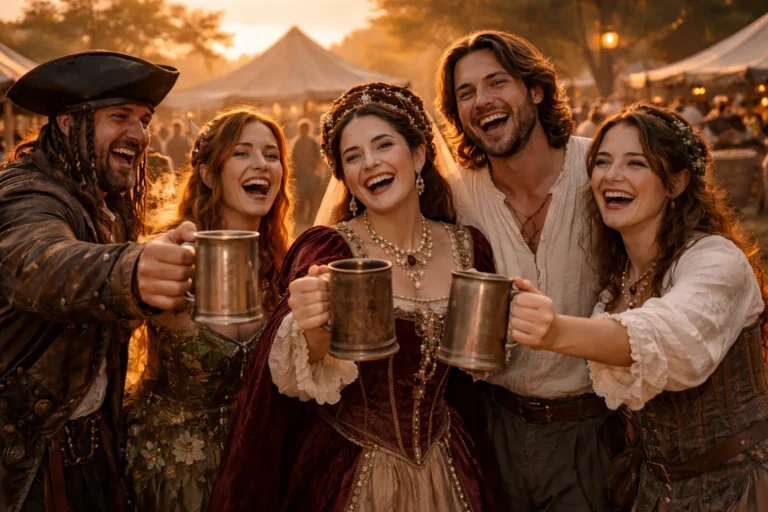
When I attend a fair, I always think about both style and practicality. Weather can change quickly, so I plan accordingly.
In hot weather, I switch to lighter layers and breathable fabrics. In colder or rainy conditions, I add cloaks or heavier outerwear. I also always test my outfit beforehand to make sure I can sit, walk, and move comfortably throughout the day.
Conclusion
For me, building a Renaissance Fair outfit is about creativity, comfort, and immersion. I enjoy combining layers, accessories, and character ideas to create something unique every time.
Whether I choose a noble, pirate, or fantasy character, the goal is always the same to enjoy the experience fully. When I feel comfortable and confident in my outfit, the fair becomes much more magical.
Frequently Asked Questions (FAQs)
1. What is the best fabric for a Renaissance Fair outfit?
I always prefer natural fabrics like cotton, linen, and light wool because they are breathable and comfortable. They also feel more authentic in the fair environment.
2. Can I wear jeans to a Renaissance Fair?
Yes, I can wear jeans if I want, but I usually avoid them when I want a more immersive look. Loose trousers or skirts help me blend into the theme better.
3. How do I carry modern items at the fair?
I usually use a leather pouch or hidden pocket to carry essentials like my phone and keys. It keeps everything secure without breaking the character look.
4. Do I have to dress up to attend?
No, I don’t have to dress up. Many people attend in regular clothes, but I personally enjoy dressing up because it makes the experience more fun and immersive.