Old Hollywood Outfits: The Vintage Glamour, Style Icons & How to Dress Like Classic Hollywood Today
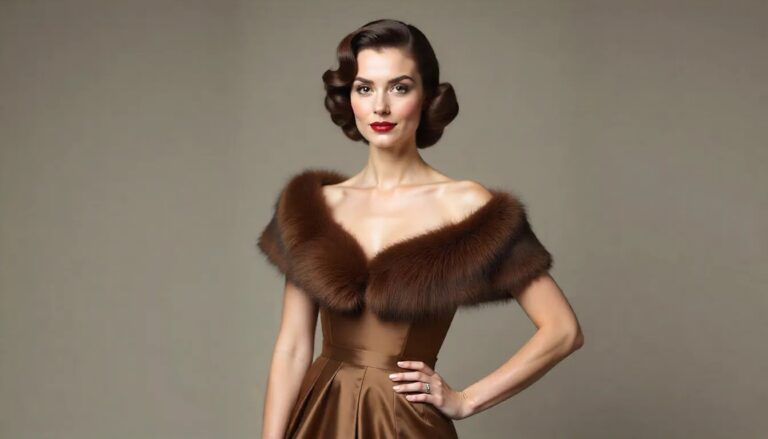
I’ve always found Old Hollywood fashion to be one of the most powerful style inspirations because it represents true timeless elegance. This era, spanning roughly the 1920s to the early 1960s, shaped how we understand glamour even today. In this guide, I’ll break down the key elements, icons, and outfit ideas so you can recreate this classic look in a modern way.
To me, Old Hollywood outfits are more than just vintage clothing—they represent confidence, identity, and cinematic storytelling. Every silhouette, fabric, and accessory was designed to create impact on screen and off screen. That level of intentional styling is exactly why this aesthetic still feels relevant today.
In this article, I’ll walk you through the defining features of the style, how it evolved across decades, and how you can practically wear it now. I’ll also include outfit formulas, wardrobe essentials, and styling principles based on historical fashion knowledge and modern interpretation.
Key Takeaways
Old Hollywood fashion is built on structure, elegance, and storytelling
Each decade from the 1920s to 1960s has a distinct style identity
Silhouettes, fabrics, and tailoring define the entire aesthetic
Icons like Marilyn Monroe and Audrey Hepburn shaped global fashion
Modern styling works best when balanced with clean interpretation
What Defines Old Hollywood Outfits?
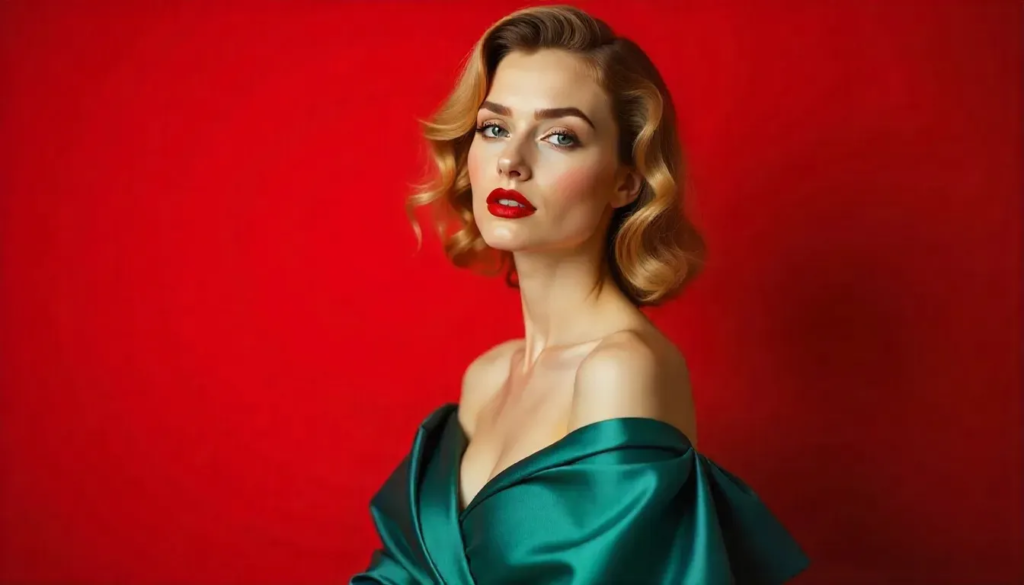
From my perspective, Old Hollywood outfits were never just about fashion—they were about creating a visual character. Every costume was carefully designed to communicate personality, emotion, and status on screen. This is what makes the era so iconic and influential even today.
Between the 1920s and 1960s, studio costume designers played a major role in shaping global fashion trends. Designers like Edith Head and Orry-Kelly created looks that were both artistic and highly structured. Their work focused on elegance, drama, and perfect visual storytelling.
The Core Features of Golden Age Glamour
When I look at Old Hollywood style, I always notice four core elements that define its identity. These elements work together to create a look that feels luxurious, intentional, and cinematic. Each detail was designed with precision and purpose.
Dramatic Silhouettes
Silhouettes were one of the most important aspects of Old Hollywood fashion. I’ve noticed that they were often exaggerated to enhance visual impact on camera. Hourglass gowns, bias-cut dresses, and structured tailoring all played a huge role in defining beauty standards of the time.
These shapes weren’t random—they were carefully engineered to highlight movement, curves, and posture. The goal was always to create a powerful visual impression that matched the character’s personality. Even today, these silhouettes continue to influence modern fashion design.
Luxe Fabrics
Fabric choice was another essential part of Old Hollywood glamour. I’ve always found it interesting how materials like silk satin, velvet, and chiffon were used to enhance light and movement. These fabrics created a sense of richness that translated beautifully on film.
Designers chose fabrics not just for appearance but also for how they behaved under studio lighting. The way a dress shimmered or flowed added emotional depth to a scene. This attention to detail is what made the style feel so luxurious.
Immaculate Tailoring
One thing I deeply respect about this era is the level of craftsmanship in tailoring. Every outfit was custom-made and fitted specifically to the actor’s body. Nothing was mass-produced or generic.
Costumes were often hand-sewn and carefully adjusted to create flawless silhouettes. I’ve seen how even small structural details like padding or draping were used intentionally. This level of precision is something modern fashion still tries to replicate.
Sense of Drama and Mystery
Old Hollywood fashion always carried a sense of theatrical drama. I’ve noticed how even simple outfits were elevated with bold design choices like plunging necklines, flowing trains, or statement accessories. Everything felt intentional and expressive.
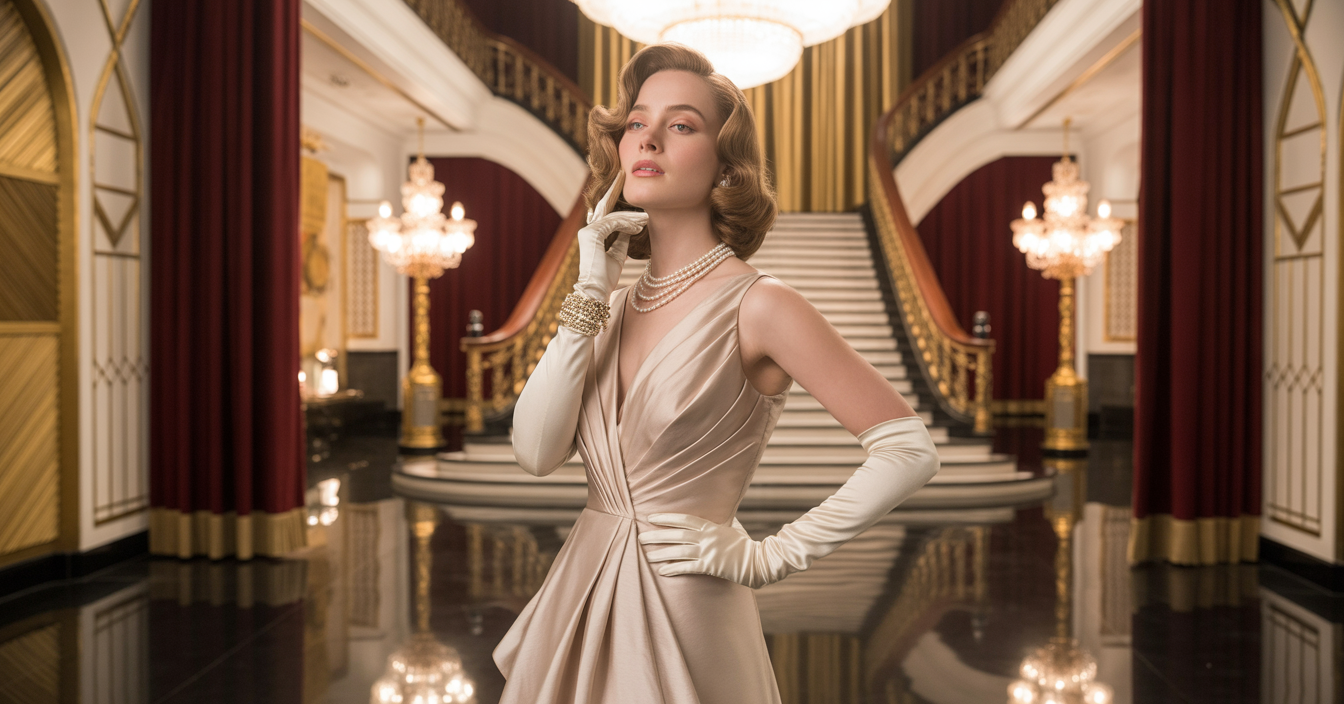
Accessories like gloves, pearls, and fur stoles played a major role in completing the look. These elements added sophistication and mystery, which became a signature of the era. It wasn’t just clothing—it was storytelling through style.
Old Hollywood Style Eras (1920s–1960s)
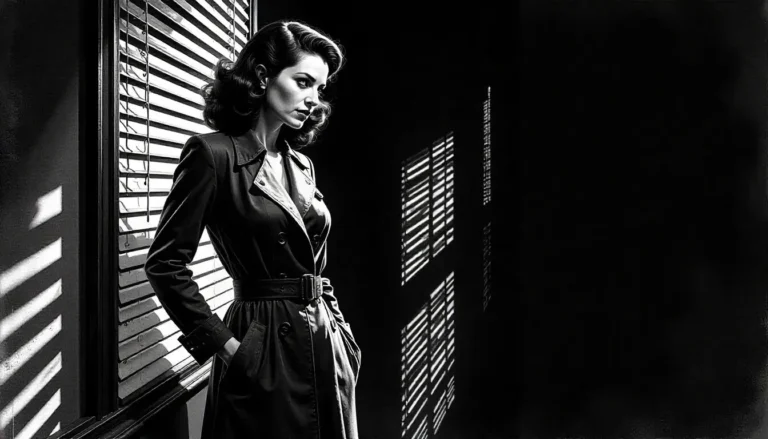
I find it fascinating how Old Hollywood fashion evolved across decades while still maintaining its core identity. Each era introduced new shapes, fabrics, and cultural influences that reflected society at the time. Understanding these shifts helps recreate authentic looks today.
1920s: Jazz Age Extravagance
In my view, the 1920s were all about freedom and expression in fashion. Flapper dresses, loose silhouettes, and bold embellishments defined the era. Clothing became more playful and less restrictive compared to previous decades.
Designers focused on movement, especially for dance culture, which influenced fringe and beaded styles. Shorter hemlines also became a bold statement at the time. This era still inspires party and evening wear today.
1930s: Bias-Cut Elegance
The 1930s shifted toward soft sophistication and fluid silhouettes. I’ve always admired how bias-cut gowns created a natural drape that followed the body’s movement. This made the clothing feel both sensual and elegant.
Deep necklines and backless designs became popular during this period. Fabrics like satin and silk were used to enhance light reflection. The overall look was refined, graceful, and timeless.
1940s: Structure, Suiting & Femme Fatale Style
During the 1940s, fashion became more structured due to wartime influences. I’ve noticed stronger shoulders, tailored suits, and practical silhouettes dominating this era. Clothing became both functional and stylish.
Film noir also introduced darker, more mysterious fashion aesthetics. Trench coats, pencil skirts, and bold lipstick became signature elements. This era represents strength and elegance combined.
1950s: Ultra-Feminine Hourglass Glamour
The 1950s were all about celebrating femininity and glamour. I often associate this era with cinched waists and full skirts that emphasized the hourglass shape. It was a highly polished and romantic fashion period.
Evening gowns became more dramatic with sweetheart necklines and luxurious fabrics. Accessories like pearls and gloves completed the refined look. This decade still heavily influences modern formal wear.
1960s: Chic Minimalism & Modernity
The early 1960s introduced a shift toward simplicity and modern silhouettes. I’ve noticed cleaner lines, shorter hemlines, and more minimal designs becoming popular. Fashion became youthful and sleek.
Shift dresses and column gowns replaced heavier structured outfits. The overall aesthetic became more modern and less ornate. This transition marked the beginning of contemporary fashion styling.
Old Hollywood Style Icons & Their Signature Looks
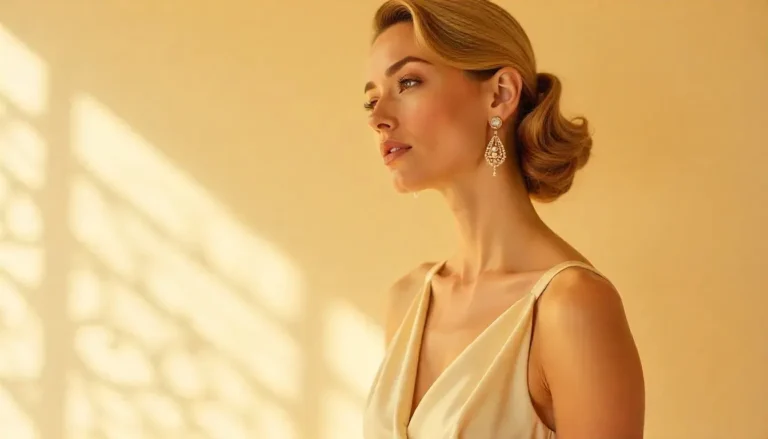
When I study Old Hollywood fashion, I always look at iconic stars who defined the era. Each one had a unique style identity that still influences fashion today. Their looks were carefully curated to match their on-screen personas.
Marilyn Monroe represented the bombshell aesthetic with hourglass silhouettes and glamorous gowns. Audrey Hepburn brought elegance through minimal and refined styling. Grace Kelly embodied royalty-level sophistication with soft, structured dresses.
Katharine Hepburn challenged norms with tailored trousers and androgynous styling. Rita Hayworth brought dramatic sensuality through flowing gowns and bold waves. Each icon contributed something unique to fashion history.
Essential Old Hollywood Wardrobe Pieces (Timeless Icons)
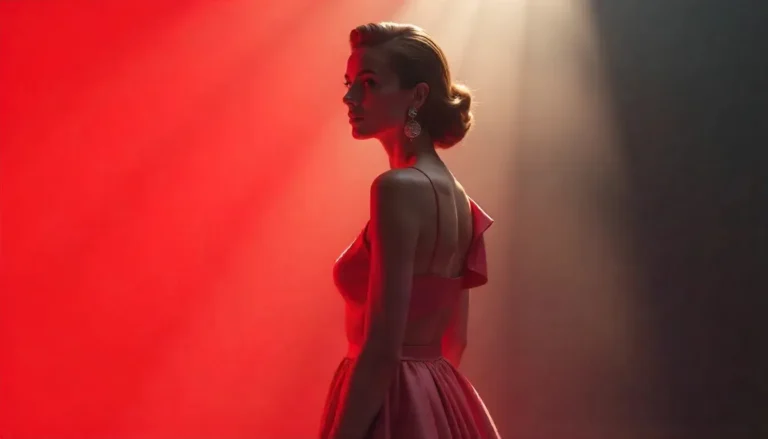
From my perspective, building an Old Hollywood-inspired wardrobe starts with key timeless pieces. These items reflect the elegance and structure of the era while remaining wearable today. They form the foundation of the aesthetic.
For women, essentials include satin gowns, structured dresses, pearls, gloves, and elegant coats. These pieces help recreate the signature glamour of the Golden Age. They work for both formal and styled everyday looks.
For men, tailored suits, tuxedos, and polished footwear define the aesthetic. Accessories like pocket squares and fedoras complete the look. Everything focuses on structure and refinement.
How to Create Old Hollywood Outfits
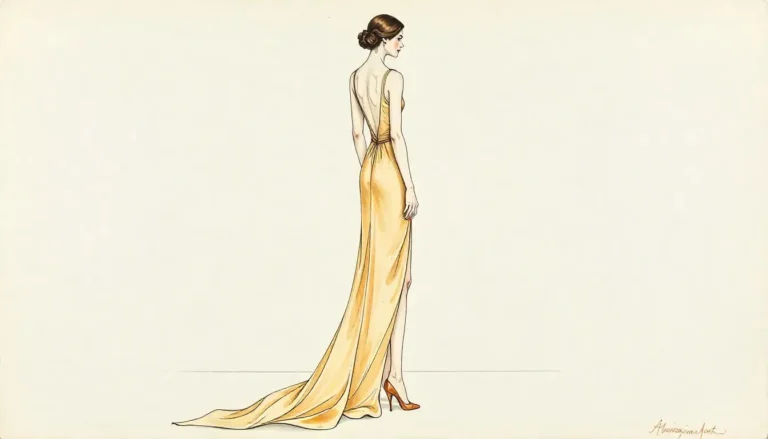
I believe recreating Old Hollywood outfits today is about understanding balance and intention. It’s not just about wearing vintage pieces—it’s about capturing the attitude and silhouette of the era. This approach makes the style feel authentic rather than costume-like.
The process starts with choosing a specific decade and sticking to its visual language. Then I focus on silhouette, fabric, and accessories that match that period. Hair and makeup also play a major role in completing the transformation.
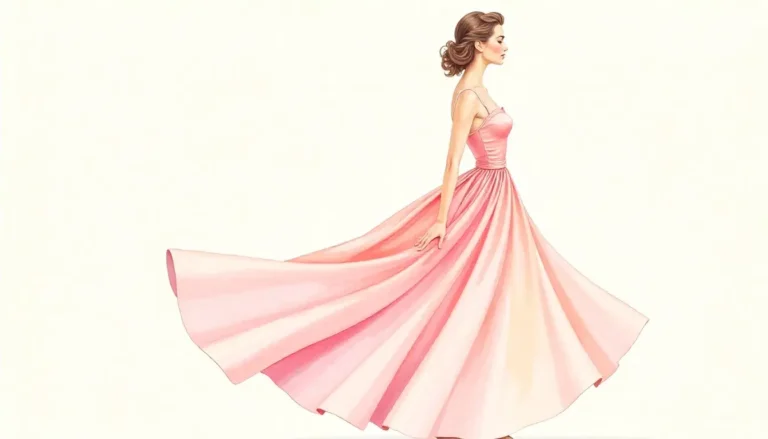
Old Hollywood Outfits for Themed Parties (Complete Outfit Formulas)
When I style Old Hollywood looks for themed events, I always focus on full outfit formulas instead of random pieces. This helps create a cohesive and authentic vintage appearance. Each look should feel intentional, like it belongs to a specific film era.
For a Gatsby-inspired look, I lean into flapper dresses with beads, feathers, and movement. I pair them with finger waves and T-strap heels for a complete 1920s aesthetic. This creates a lively and authentic Jazz Age feel.
For a film noir look, I prefer structured dresses, trench coats, and dark tones. I often add red lips and soft curls to complete the mysterious vibe. This style works especially well for evening events.
For a 1950s red-carpet look, I focus on satin gowns, fur stoles, and elegant jewelry. I always keep the silhouette soft and feminine with a cinched waist. This creates a polished and glamorous finish.
Modern Old Hollywood Lookbook (With Style Breakdowns)
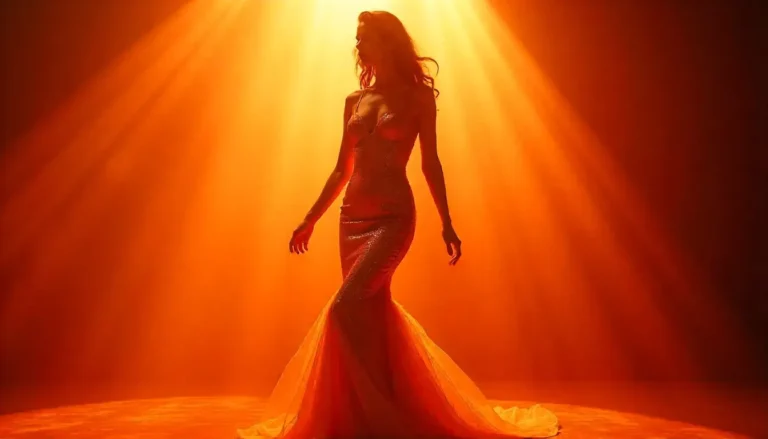
When I reinterpret Old Hollywood for modern fashion, I focus on blending vintage silhouettes with contemporary simplicity. This helps avoid looking like a costume while still honoring the aesthetic. Balance is the key to making it wearable today.
A modern Marilyn-inspired look usually includes a fitted halter dress and minimal jewelry. I like adding red lips to bring in the classic glamour element. This keeps the outfit bold but still clean and modern.
For an Audrey-inspired outfit, I prefer cigarette pants, a fitted top, and ballet flats. I keep everything minimal and structured to reflect her elegance. This works perfectly for everyday chic styling.
A modern siren look combines satin slip dresses with soft waves and subtle accessories. I focus on fluid fabrics that move naturally with the body. This creates a subtle yet powerful visual impact.
Where to Buy Old Hollywood Outfits
From my experience, finding Old Hollywood-inspired pieces depends on your budget and styling goals. You don’t always need authentic vintage to achieve the look. Modern brands offer plenty of inspired alternatives.
For budget-friendly options, I usually explore vintage-inspired fast fashion brands and online marketplaces. These provide accessible silhouettes at lower prices. They are great for experimenting with the style.
Mid-range brands often offer better fabric quality and more refined tailoring. I find these pieces closer to authentic vintage structure. They work well for events or long-term wardrobe use.
Luxury and true vintage options provide the most authentic experience. I recommend these for special occasions or collectors. They often feature original craftsmanship and detailing.
Actionable Styling Tips: Hair, Makeup, Accessories & Poses
When I complete an Old Hollywood look, I always focus on finishing details because they define the final impression. Hair, makeup, and posture are just as important as clothing. They bring the entire aesthetic to life.
For hair, I prefer soft waves, pin curls, or structured updos depending on the era. These styles create that signature vintage silhouette. Shine and smoothness are also very important.
For makeup, I always lean toward bold lips and defined eyeliner. A structured brow and flawless base help complete the cinematic effect. This combination creates instant Old Hollywood energy.
Accessories should stay elegant and minimal but impactful. I often use pearls, gloves, or simple metallic jewelry. Posing with confidence and posture completes the transformation.
Common Mistakes When Dressing Old Hollywood
From my perspective, one of the biggest mistakes is mixing multiple eras together. Each decade has its own clear identity, and combining them can break the authenticity. Staying consistent is essential.
Another mistake is using modern fabrics that don’t match the aesthetic. I avoid overly casual or cheap-looking materials because they reduce the elegance of the outfit. Fabric choice is very important in this style.
Over-accessorizing is also a common issue. I prefer fewer but more intentional pieces instead of layering too much. This keeps the look refined and balanced.
Lastly, ignoring hair and makeup can weaken the entire outfit. Even the best dress won’t feel Old Hollywood without the right finishing touches. The full transformation always matters.
Conclusion
For me, Old Hollywood fashion represents the highest form of timeless style because it combines artistry, confidence, and craftsmanship. It reminds us that clothing can be both expressive and meaningful when designed with intention. That’s why this aesthetic still inspires modern fashion today.
I believe anyone can recreate this look by focusing on silhouette, fabric, and attitude rather than exact replication. The goal is not to copy the past but to reinterpret it in a way that feels modern and wearable. That’s what keeps this style alive across generations.
Frequently Asked Questions (FAQs)
1. What defines Old Hollywood outfits?
Old Hollywood outfits are defined by elegant silhouettes, luxurious fabrics, and structured tailoring inspired by 1920s–1960s cinema fashion.
2. Can Old Hollywood style be worn casually?
Yes, elements like tailored trousers, silk scarves, or classic makeup can easily be adapted into everyday outfits.
3. Is Old Hollywood fashion expensive?
It can be, but modern brands and vintage-inspired pieces make it accessible at different price points.
4. What makeup matches Old Hollywood style?
Classic red lips, winged eyeliner, structured brows, and polished skin are key elements of the look.
5. What colors are typical in Old Hollywood fashion?
Common colors include black, white, red, gold, navy, emerald, and soft neutrals.