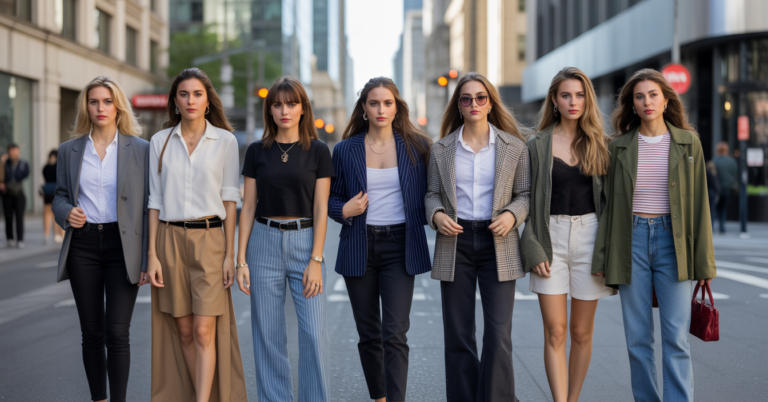

The Enduring Legacy of Skinny Jeans: Style, History & Cultural Impact
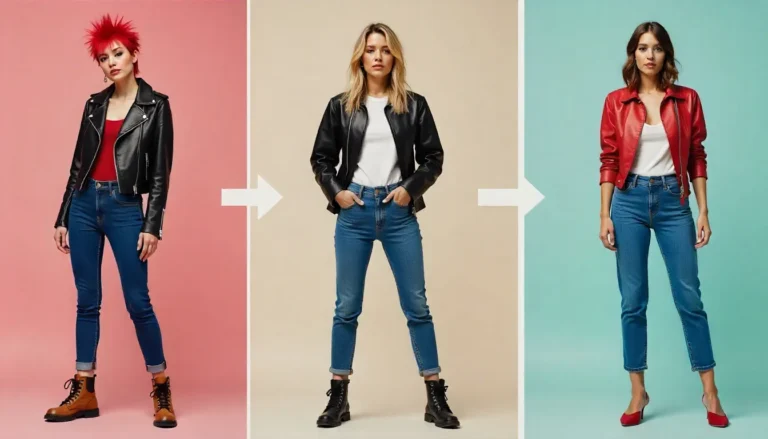
I’ve always believed skinny jeans are more than just a denim trend because they represent an entire cultural shift in modern fashion. They moved from rebellious street style to global wardrobe essential over several decades. Very few clothing items have had this level of influence on how people dress today.
In this article, I want to explore their full journey in detail, from underground subcultures to mainstream dominance. I will also explain why they became controversial and why they still remain relevant today. Understanding skinny jeans is really about understanding how fashion evolves with society.
Key Takeaways
From my perspective, skinny jeans are not just a trend but a long-term fashion staple shaped by decades of cultural evolution. Their journey shows how fashion constantly cycles between rebellion, acceptance, and reinvention.
They became popular because of music culture, celebrity influence, and their strong visual identity in modern styling. Their adaptability across different body types and outfits is what made them globally dominant for so long.
Even though fashion has shifted toward looser silhouettes, skinny jeans continue to remain relevant in everyday wardrobes. Their versatility, comfort in modern stretch fabrics, and timeless appeal ensure they still have a strong place in fashion today.
The Historical Roots and Evolution
When I look at the origins of skinny jeans, I don’t see a single starting point but a gradual evolution of tighter denim silhouettes. In the 1950s, youth culture began rejecting loose workwear fits in favor of more fitted denim inspired by rebellious icons. This was the first step toward the modern skinny jean identity.
The real transformation came in the 1970s with punk and glam rock movements. Bands like The Ramones and The Sex Pistols made tight ripped denim part of their anti-establishment identity. These jeans were raw, aggressive, and intentionally unpolished.
By the 1980s, the silhouette evolved again through new wave and glam metal culture. Artists began wearing tighter fits using stretch materials for comfort and performance. This period established the foundation for the modern skinny jean structure.
The 2000s Boom and Mainstream Domination
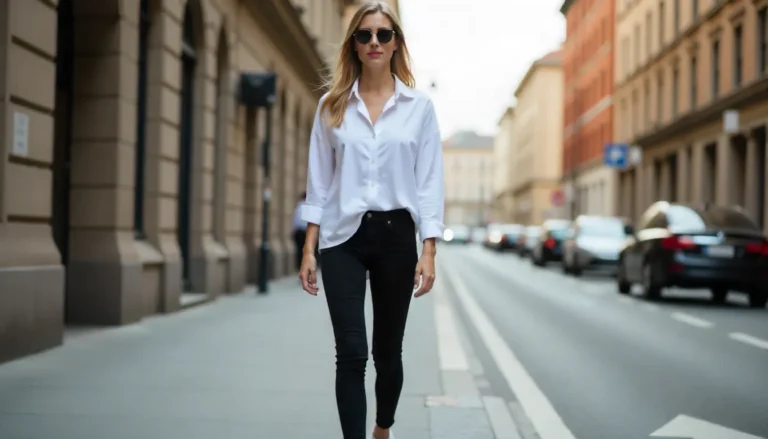
In my view, the 2000s were the decade when skinny jeans became a global fashion identity. Indie bands like The Strokes and The Killers helped turn slim denim into a symbol of effortless cool. Their influence spread quickly through music videos and youth subcultures.
At the same time, high street brands made skinny jeans widely accessible to everyday consumers. Retailers like H&M and Topshop played a major role in turning them into a mass-market essential. Premium denim brands refined the fit for a more polished look.
Celebrity influence pushed the trend even further into mainstream culture. Style icons like Kate Moss and Alexa Chung made skinny jeans part of everyday fashion styling. At this point, they became the default denim choice for an entire generation.
The Anatomy of a Perfect Pair
From a technical perspective, skinny jeans are defined by a narrow leg cut that follows the natural shape of the body from thigh to ankle. Unlike straight or bootcut jeans, they are designed to create a sleek and continuous silhouette. This makes them instantly recognizable.
Most modern skinny jeans include a small percentage of elastane or stretch fiber. This allows the denim to move with the body while maintaining its fitted structure. Without this innovation, the modern skinny jean would not be comfortable for daily wear.
The rise of the jean also plays an important role in its design. Mid-rise styles offer balance while high-rise versions enhance leg length and waist definition. Every construction detail contributes to the final visual effect.
Styling Strategies for Different Body Types
In my styling experience, skinny jeans are one of the most adaptable denim styles across different body shapes. The key is not the body type itself but how the outfit is balanced overall. Skinny jeans act as a base for proportion styling.
For pear-shaped bodies, I recommend pairing skinny jeans with structured or eye-catching tops to draw attention upward. This helps balance wider hips and creates visual harmony. Longer outerwear pieces also enhance proportion.
For apple-shaped bodies, high-rise skinny jeans are especially effective because they help define the waist area. I often suggest V-neck tops or long layers to elongate the torso. This creates a more streamlined silhouette.
For athletic or rectangular body shapes, skinny jeans help create the illusion of curves. Adding belts, textured tops, or layered styling introduces dimension. The goal is always balance and definition.
The Cultural Backlash and the “Are Skinny Jeans Dead?” Debate
I’ve observed that the backlash against skinny jeans began strongly in the late 2010s when fashion started shifting toward looser silhouettes. Styles like wide-leg jeans and mom jeans became symbols of comfort and modern dressing. This shift created a clear generational divide.
Social media platforms accelerated this narrative by labeling skinny jeans as outdated. Younger audiences quickly embraced relaxed fits as part of a new aesthetic identity. This made skinny jeans appear less trendy in comparison.
However, I believe this “death” of skinny jeans was exaggerated. Fashion rarely eliminates styles completely. Instead, it redistributes their relevance within a broader style ecosystem.
The Unwavering Case for Their Versatility
From my perspective, the strongest argument for skinny jeans is their unmatched versatility. They work seamlessly with almost every type of footwear, which makes them incredibly practical. This alone ensures their continued relevance.
They tuck perfectly into boots, creating a clean and elongated leg line. They also pair effortlessly with sneakers, heels, and loafers. This adaptability is something wider denim styles cannot replicate easily.
They also serve as a foundational layering piece in outfits. Oversized tops and structured jackets sit better over slim silhouettes. This makes skinny jeans an essential styling base.
The Influence of Music and Celebrity Culture

When I analyze skinny jeans culturally, music has always played a central role in their popularity. Indie rock bands of the 2000s helped reintroduce them as a symbol of artistic identity. This connection gave them cultural depth beyond fashion.
Different music genres adapted the silhouette in unique ways. Pop artists added glam elements while emo and punk scenes embraced darker styling. Hip-hop culture later incorporated skinny jeans into streetwear aesthetics.
Celebrity influence also kept the trend visible across decades. From street style photography to red carpet appearances, skinny jeans remained consistently present. This helped extend their cultural lifespan significantly.
The Denim Market and Sustainable Choices
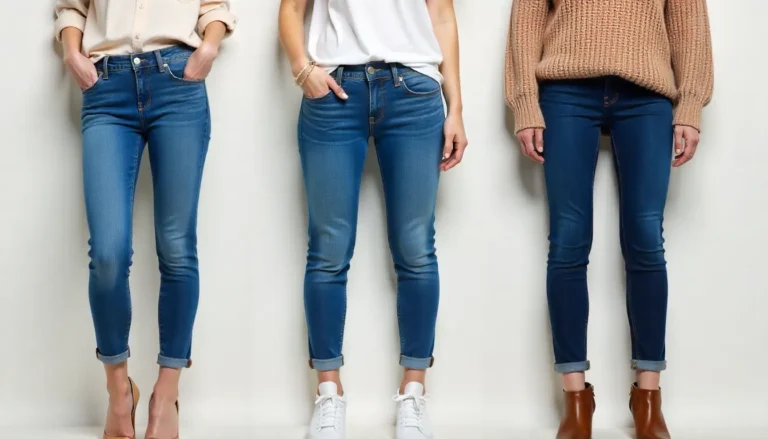
From an industry perspective, skinny jeans played a major role in shaping modern denim manufacturing. The demand for stretch fabrics led to innovations in textile production. However, this also increased environmental challenges in mass production.
Today, I see a strong shift toward more sustainable denim practices. Brands are using organic cotton, recycled fibers, and low-impact dyeing techniques. These changes are reshaping how skinny jeans are produced.
As a conscious consumer, I always recommend looking for sustainability certifications and transparent sourcing. Fashion is now deeply connected to environmental responsibility. Skinny jeans are evolving along with these expectations.
The Psychological Appeal of a Second Skin
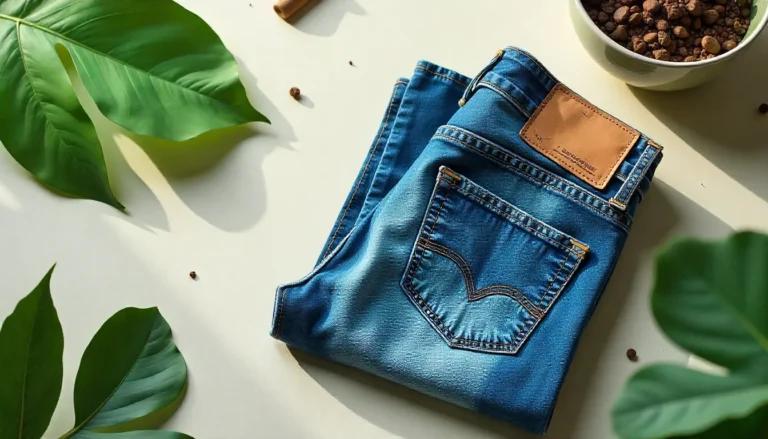
On a psychological level, I believe skinny jeans create a strong sense of structure and confidence. The fitted design gives a feeling of support that many people find reassuring. This emotional connection is a big part of their appeal.
They also enhance body awareness by closely following movement and shape. This creates a strong connection between clothing and identity. It makes the wearer more conscious of posture and presence.
For many people, this familiarity is why skinny jeans remain emotionally significant. They are not just clothing but part of personal style identity. That emotional bond is difficult to replace.
The Future of the Silhouette in a Post-Skinny World
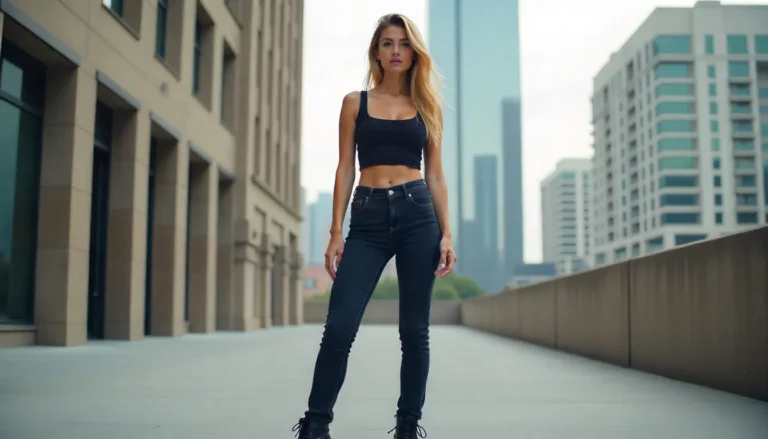
In my opinion, skinny jeans are no longer the dominant denim style but they are far from gone. They now exist alongside wider silhouettes in a more balanced fashion ecosystem. This diversity has actually strengthened their long-term survival.
Future versions may include improved fabrics and more sustainable construction. Designers will likely continue refining comfort and flexibility. However, the core silhouette will remain unchanged.
I see skinny jeans as a permanent wardrobe staple rather than a passing trend. They have transitioned from fashion dominance to fashion stability. That is what makes them timeless.
Conclusion
To me, skinny jeans represent one of the most influential fashion movements of modern style history. Their journey reflects rebellion, mainstream acceptance, and cultural transformation. Few garments have shaped identity in such a powerful way.
Even in today’s fashion landscape, they continue to hold a meaningful place in wardrobes worldwide. Their strength lies in simplicity, adaptability, and emotional familiarity. Skinny jeans are not just a trend, they are a lasting fashion legacy.
FAQs About Skinny Jeans
1. Are skinny jeans still in style?
Yes, I consider them a timeless staple rather than a fading trend. They are still widely worn in modern fashion.
2. Who can wear skinny jeans?
In my experience, anyone can wear skinny jeans with the right styling approach. Proportion balancing is the key.
3. Why did skinny jeans become unpopular?
The shift happened due to a rise in comfort-focused fashion and wider silhouettes. Trends naturally evolve over time.
4. Are skinny jeans comfortable?
Modern versions with stretch fabric are very comfortable for daily wear. They are designed for movement and flexibility.
5. How should skinny jeans be styled today?
I recommend pairing them with oversized tops, structured blazers, or minimalist pieces. This keeps the look balanced and modern.