The Guide to Alt Clothing DIY: Customize Your Wardrobe
Working with alternative fashion for years, I’ve seen how expensive it can get to find pieces that truly match your style. That’s why I always recommend going the DIY route. Instead of buying ready-made outfits, you can take simple clothes and turn them into something that feels completely your own. It not only saves money but also helps you build a wardrobe that stands out.
Alternative fashion is not about following trends. It’s about showing your personality through what you wear. Whether you like grunge, punk, goth, or emo looks, customizing your own clothes gives you full control. You don’t need special skills to begin. With a few tools and some basic ideas, even old or thrifted clothes can become bold statement pieces.
What is Alt Clothing DIY?
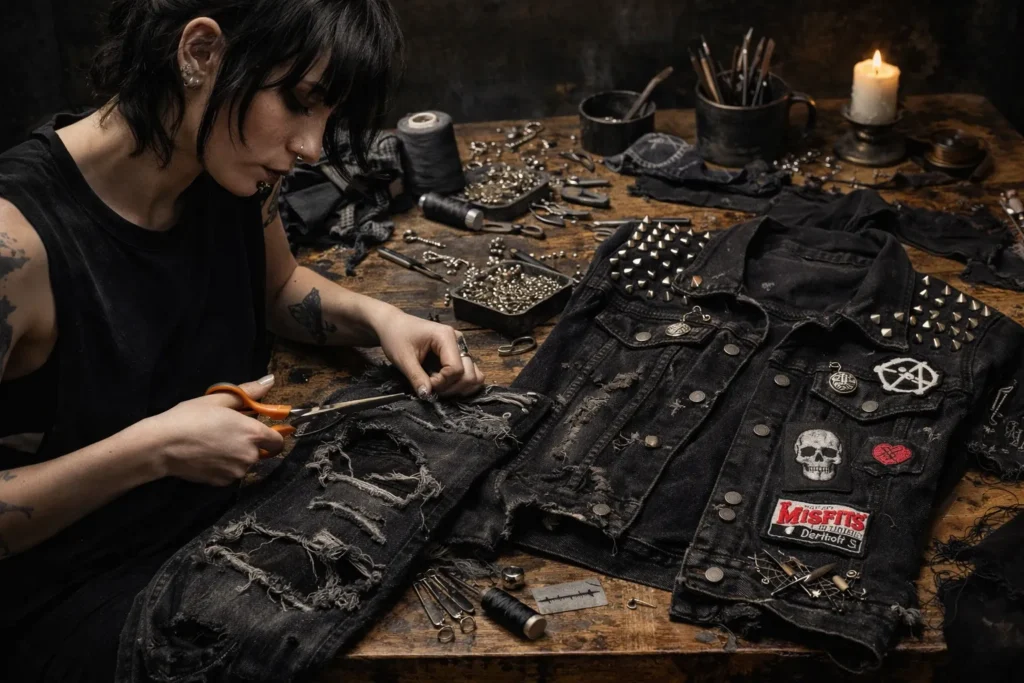
Alt clothing DIY is all about changing or decorating your clothes so they match an alternative style. This can include cutting, ripping, sewing, or adding details like patches and metal pieces. The idea started long ago when people in punk and grunge scenes chose to create their own fashion instead of buying expensive branded clothes.
Even today, this style is still popular because it lets you express yourself freely. You can wear designs that show your interests, your favorite music, or your beliefs. From simple changes like adding patches to bigger transformations, there is no limit to what you can create.
Essential Tools for Your Alt Fashion Projects
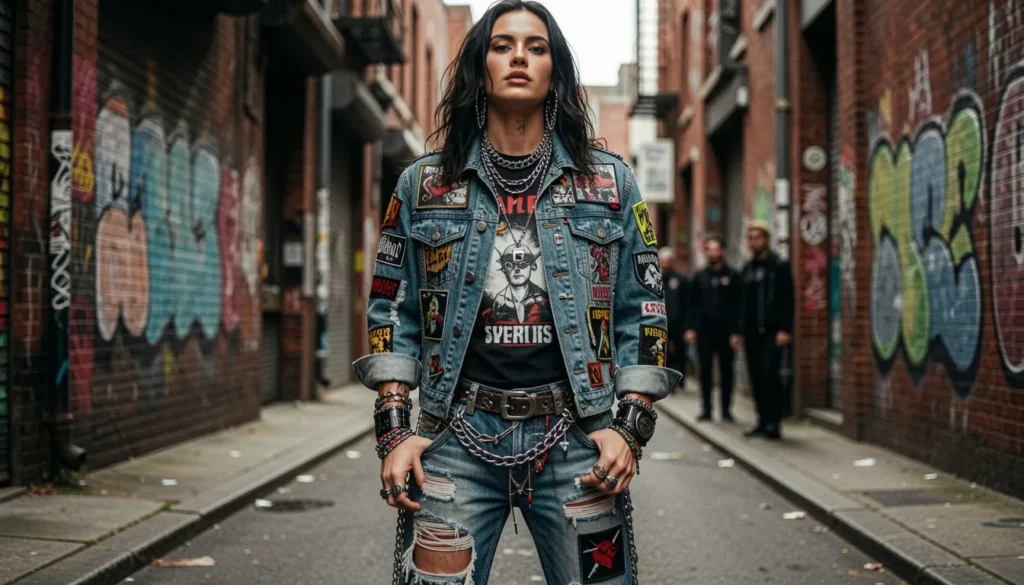
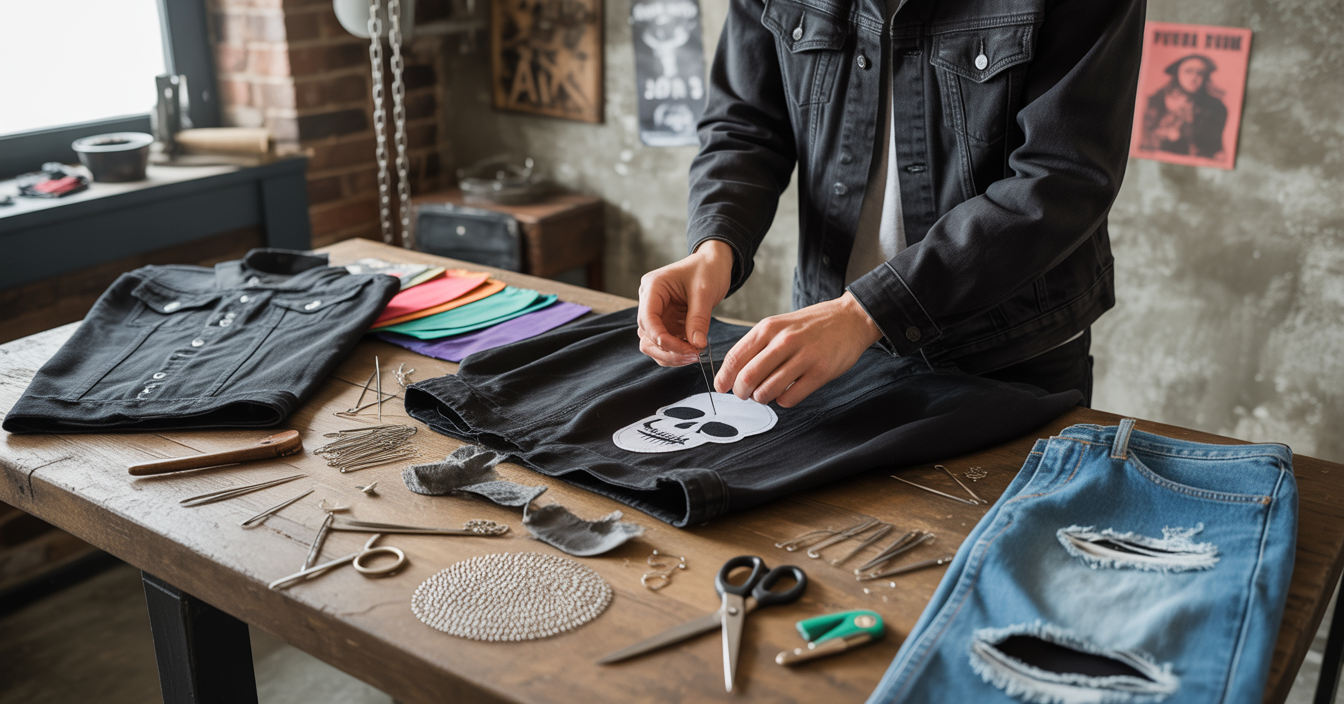
Before you start working on your clothes, it is important to have the right tools. In my experience, having a small DIY kit ready makes everything easier and cleaner. You don’t need too many things, but the right tools will help your work look better and last longer.
Cutting and Distressing Tools
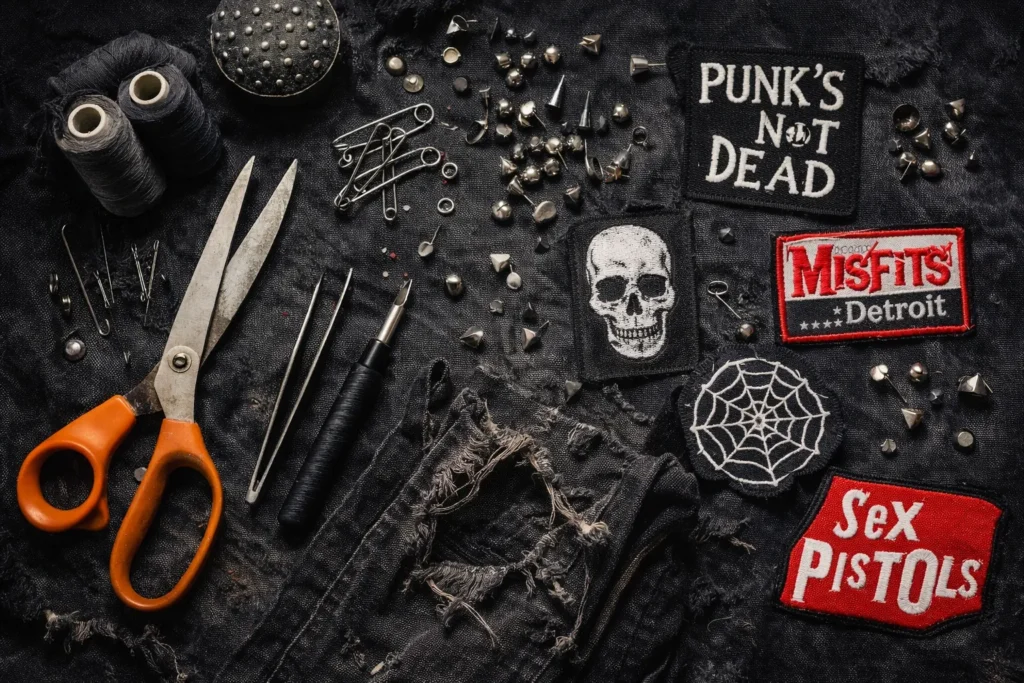
Good tools make a big difference when you want your clothes to look naturally worn instead of messy. Always use sharp fabric scissors so your cuts are clean. A seam ripper is very useful when you want to remove parts of clothing without damaging the fabric.
Tweezers may seem small, but they are very helpful for pulling threads when working on denim. For giving clothes an aged look, sandpaper or a pumice stone works really well. I’ve used these many times to soften edges and create that worn-out effect.
Sewing and Attaching Essentials
Even if you like rough and unfinished styles, you will still need a few items to attach details. Strong needles and thick thread are important, especially if you want visible stitching that adds to the design.
Safety pins are one of the easiest ways to decorate clothes. They are quick to use and can completely change the look. Studs and spikes are also great if you want a bold, edgy feel. If sewing is not your thing, fabric glue can help you attach patches without much effort.
Beginner-Friendly Alt Clothing DIY Techniques
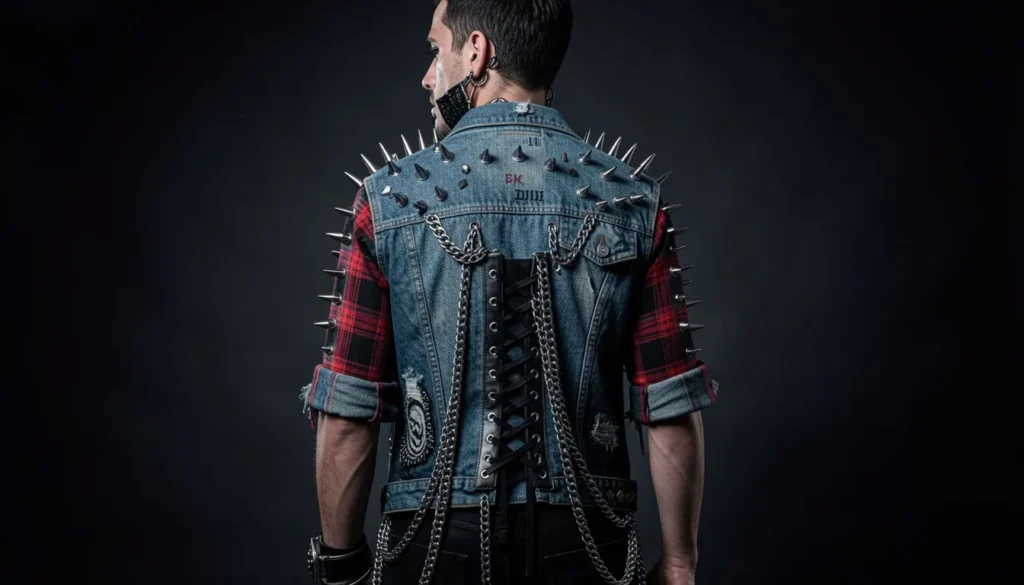
When you are just starting, it is better to try simple ideas first. Over the years, I’ve found that small projects help build confidence and improve your skills. These basic techniques are easy to follow and do not require much cost.
Distressing Denim
Denim is one of the easiest fabrics to work with. To create rips, first mark where you want the design. Make small cuts and then use tweezers to pull out threads carefully. This gives a natural ripped look instead of something too sharp or fake.
To make it look even better, rub the edges with sandpaper. This softens the fabric and gives it a worn feel. I always suggest going slow with this step so you don’t damage the fabric too much.
Adding Safety Pins and Hardware
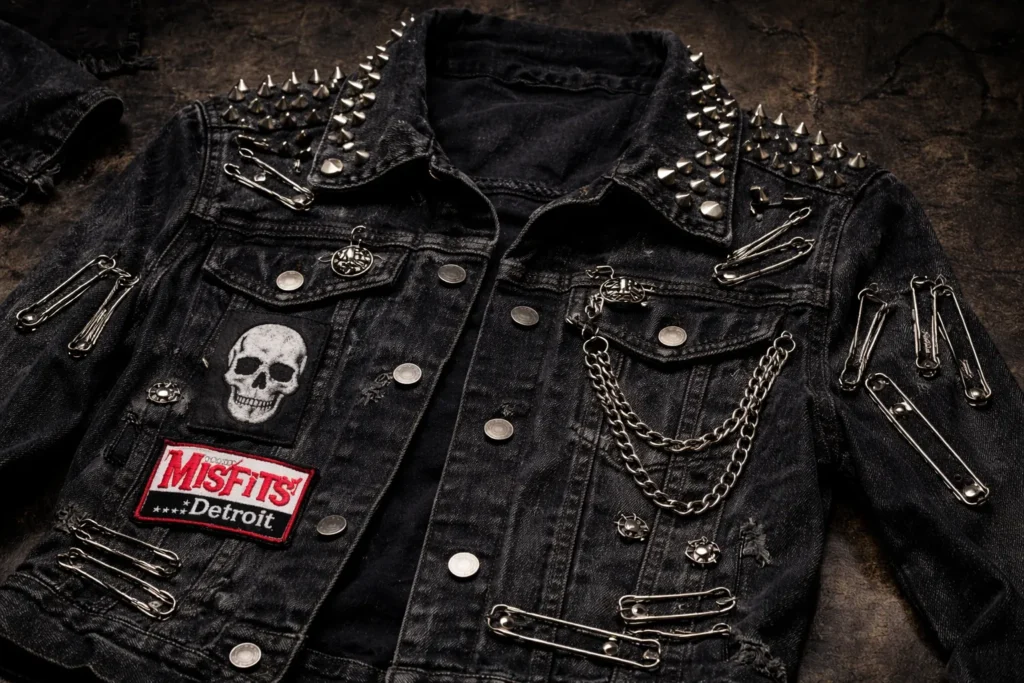
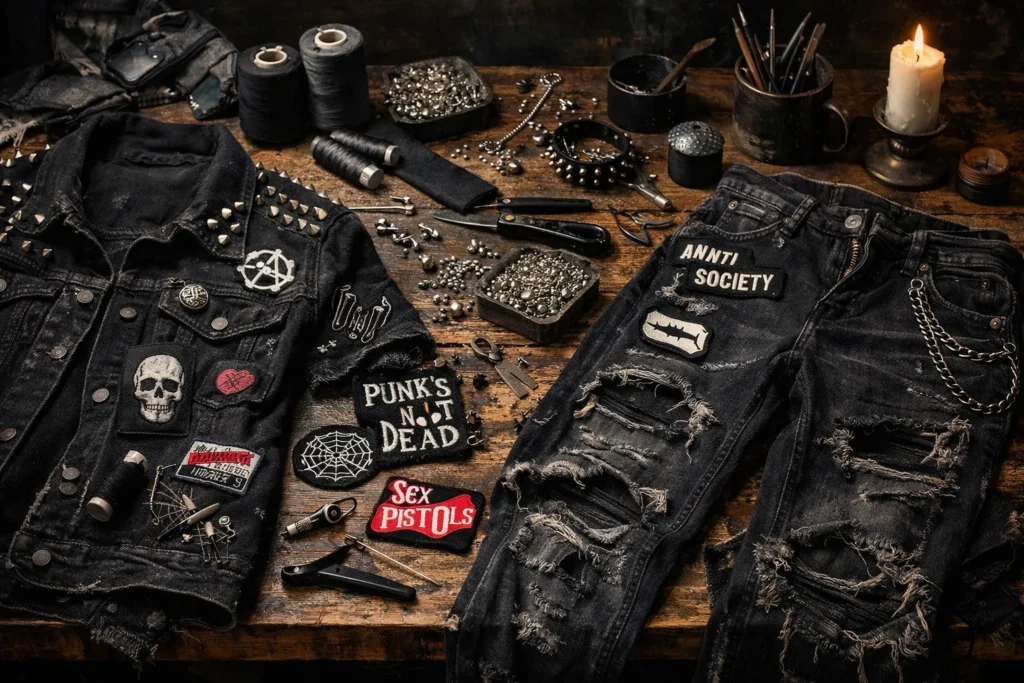
Adding metal details can quickly change the whole look of an outfit. You can place spikes on collars or add rings and eyelets to different parts of your clothes. These small changes create a strong and bold style.
Safety pins are the easiest to use and very flexible. You can place them along seams, connect parts of your clothing, or use them as decoration. I’ve used them many times to create a raw and slightly messy look, which fits perfectly with punk styles.
Patchwork and Band Merch Customization
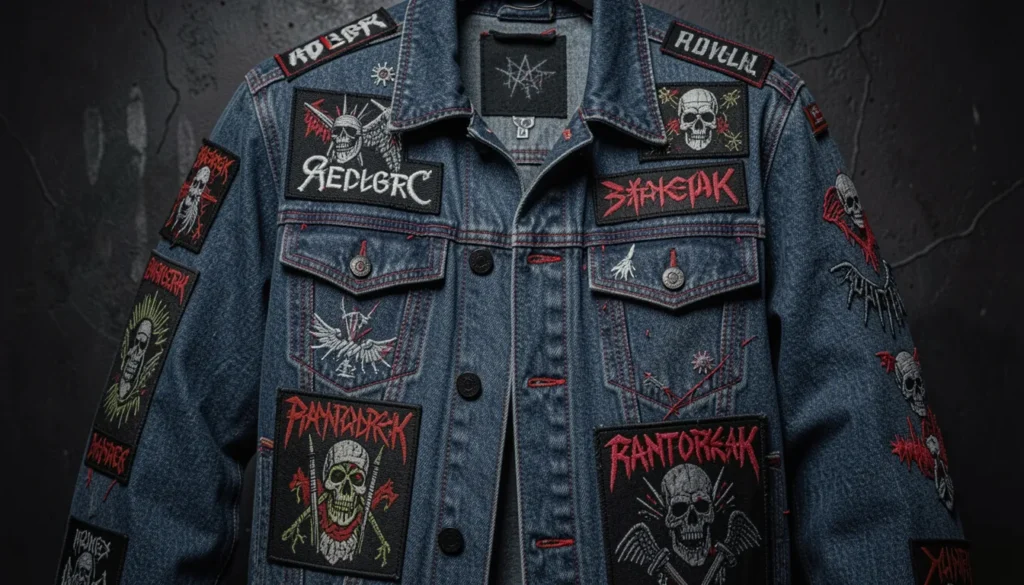
Patches are one of the best ways to show your personality. You can buy them or even make your own using fabric and paint. I often suggest starting with a simple jacket and slowly adding patches over time.
When attaching patches, use thick thread so it stands out. The stitching does not need to be perfect. In fact, a slightly messy look often makes it better. You can also cut designs from old shirts and sew them onto other pieces to give them a new life.
Bleach Painting and Dyeing
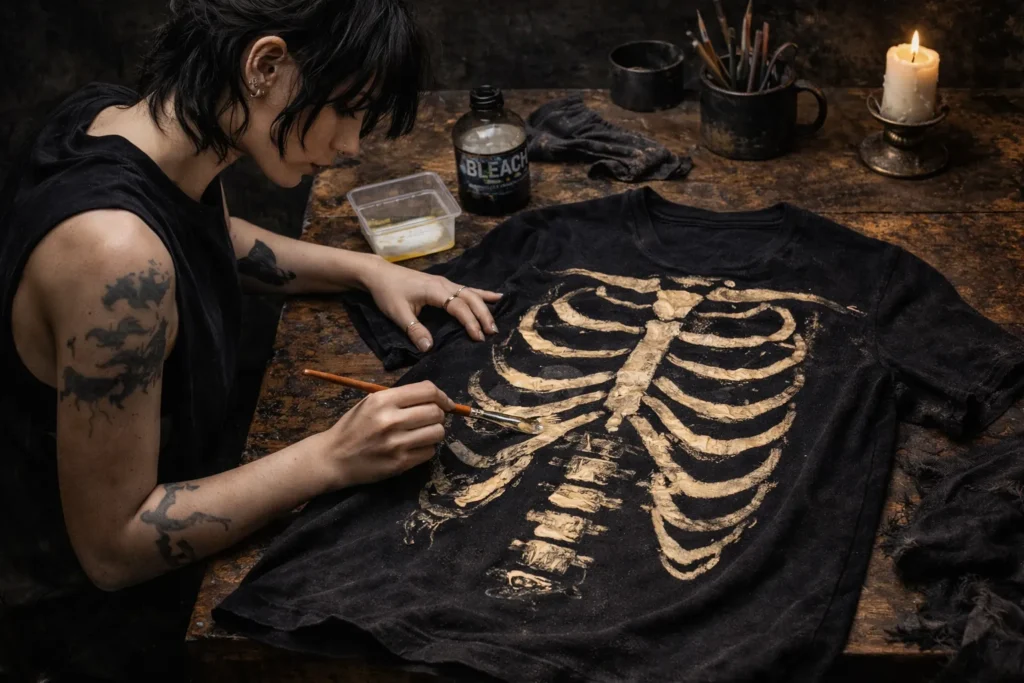
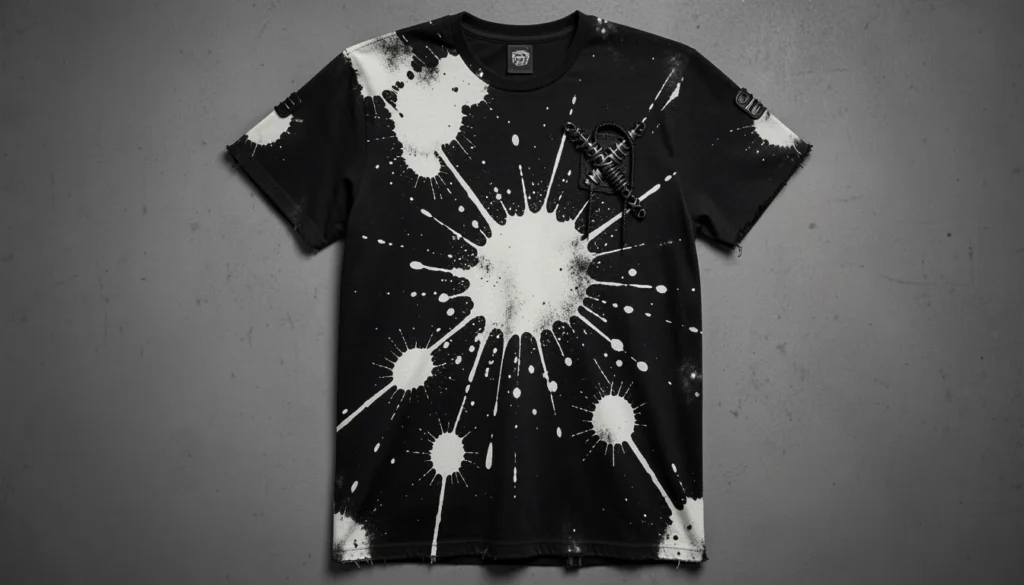
Bleach can create strong and eye-catching designs, especially on dark clothes. When you apply bleach to black fabric, it changes the color and creates contrast. This is something I’ve used a lot for creating unique designs.
You can spray bleach for a scattered effect or use a brush to draw shapes and patterns. It is important to work in an open space and wash the clothing once you get the result you want. This helps stop the reaction and keeps the design in place.
Benefits of Upcycling Your Alternative Wardrobe
Making your own clothes is not just about style. It also has many practical benefits. One of the biggest advantages is saving money. Basic clothes from thrift stores are cheap and easy to find.
It is also better for the environment because you are reusing clothes instead of throwing them away. Another benefit is the fit. When you adjust clothes yourself, they can match your body perfectly. From my experience, DIY projects are also a great way to relax and do something creative without spending time on screens.
Advanced Customization Ideas
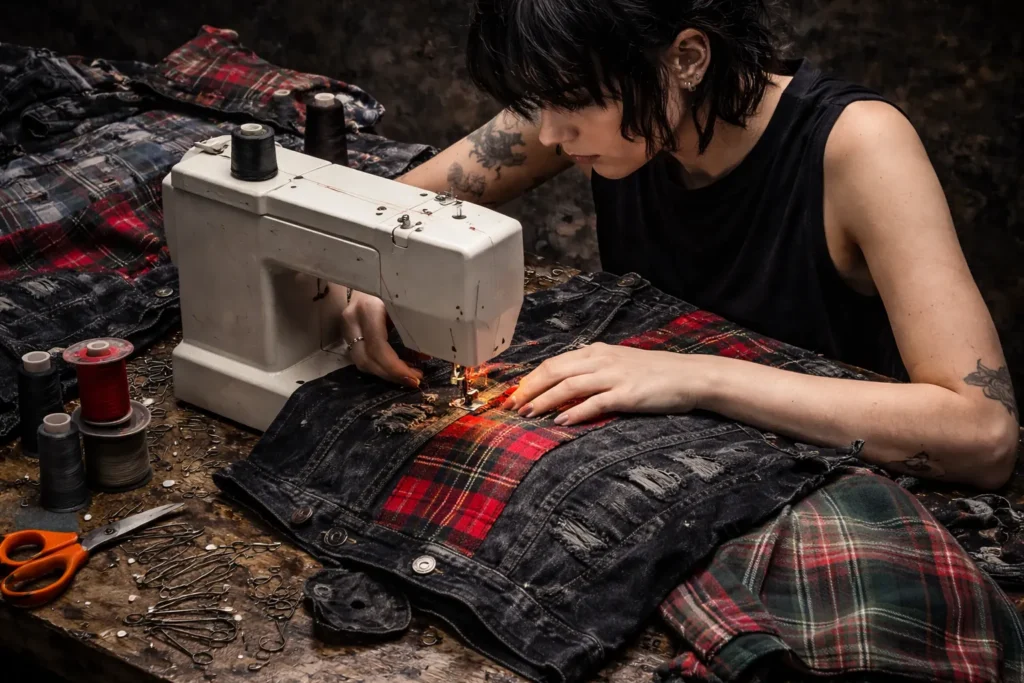
Once you get comfortable with basic techniques, you can try more detailed designs. You can mix parts from different clothes to create something completely new. For example, combining fabrics or adding new sections can give your outfit a fresh look.
You can also experiment with adding zippers or lacing to your clothes. These changes take more effort, but they make your outfit stand out even more. With time and practice, you will find your own style and methods.
Conclusion
Alt clothing DIY gives you full control over how you dress. Instead of relying on stores, you can create outfits that truly match your personality. With simple tools and a bit of creativity, even plain clothes can become something special.
Start with small changes and build your skills step by step. Over time, you will be able to create pieces that feel unique and personal. In my experience, the best outfits are the ones you make yourself because they reflect who you really are.
Frequently Asked Questions (FAQs)
Q1: What is the best fabric for alt clothing DIY?
Denim and cotton are great choices for beginners. They are strong, easy to work with, and handle cutting and dyeing well. These fabrics also do not get damaged too quickly when you experiment with them.
Q2: How do I wash DIY distressed clothes?
It is best to wash them inside out using cold water and a gentle setting. This helps protect the design and keeps the fabric from getting too damaged. For clothes with heavy details, hand washing is a safer option. Let them air dry instead of using a dryer.
Q3: Can I use regular thread for sewing patches?
You can use regular thread, but it may not last long. Thicker thread is stronger and also looks better for this style. It gives a bold and noticeable finish to your stitching.
Q4: Where can I find cheap clothes to customize?
You can find good options at thrift stores, yard sales, or discount sections in clothing shops. You can also reuse old clothes from your home or ask others for items they no longer need.