Your Ultimate Guide to Epic Ren Faire Outfits
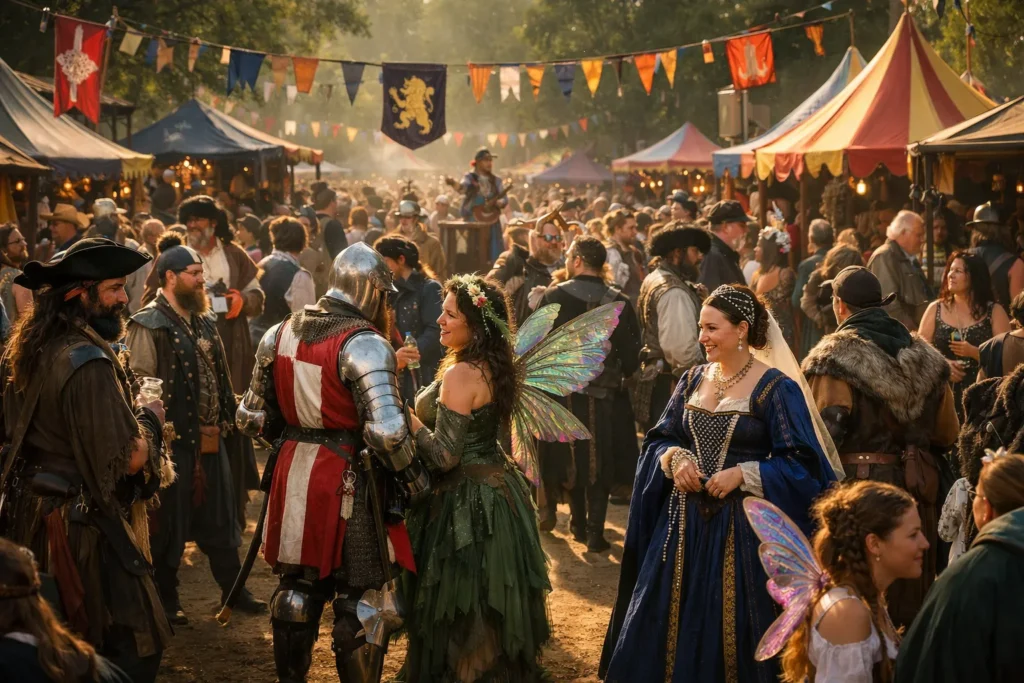
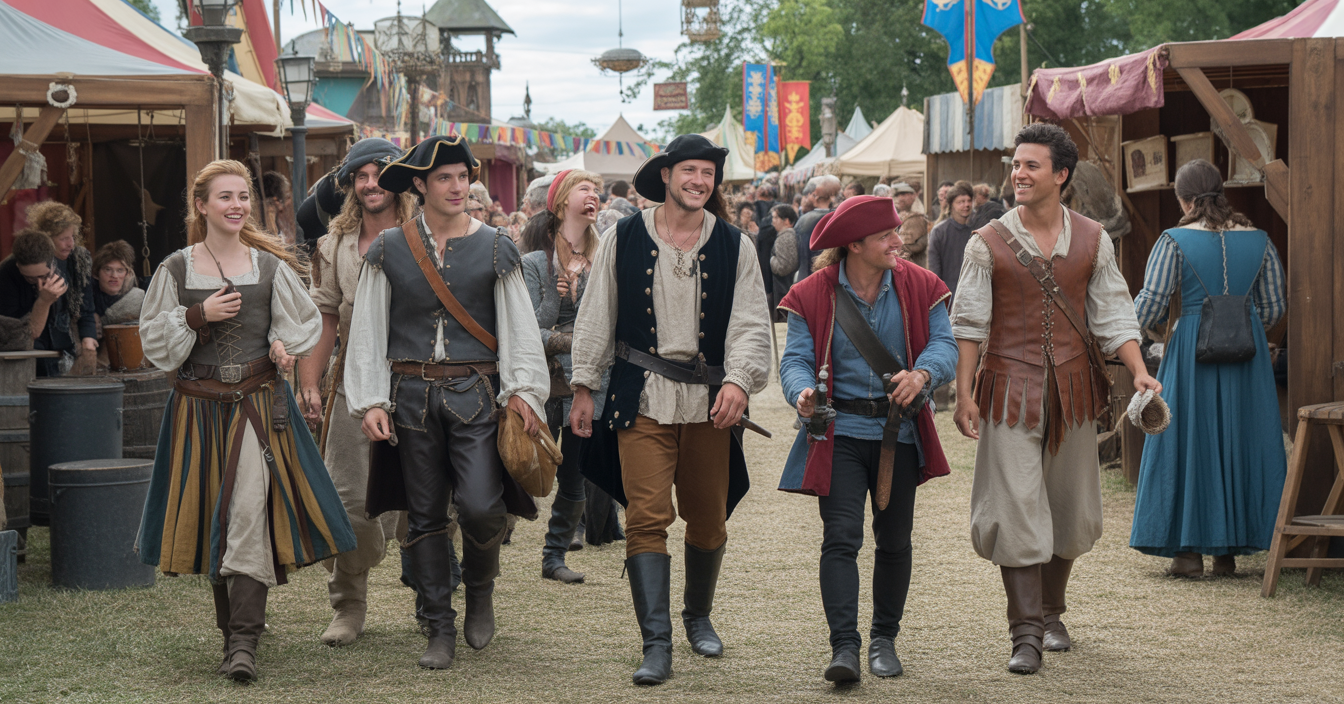
Stepping into a Renaissance Faire feels like entering a different world. You hear music, see people dressed as knights, villagers, pirates, and magical creatures, and the whole place feels like a living story. One of the biggest parts of this experience is the clothing. When you wear the right outfit, you don’t just watch the event—you become part of it.
Many people feel unsure about what to wear the first time they attend a faire. Some wonder if their costume needs to be perfectly historical, while others want to know if fantasy characters are allowed. From my experience helping people plan outfits and attending these events for over five years, the truth is simple: there are no strict rules. Creativity is welcome, and everyone builds their look in their own way.
This guide explains how to create a great Ren Faire outfit step by step. You will learn about the basic clothing pieces, popular character styles, practical comfort tips, and even simple ways to build a costume without spending a lot of money. With the right approach, anyone can create an outfit that looks amazing and still feels comfortable all day.
Understanding the Basics of Ren Faire Fashion
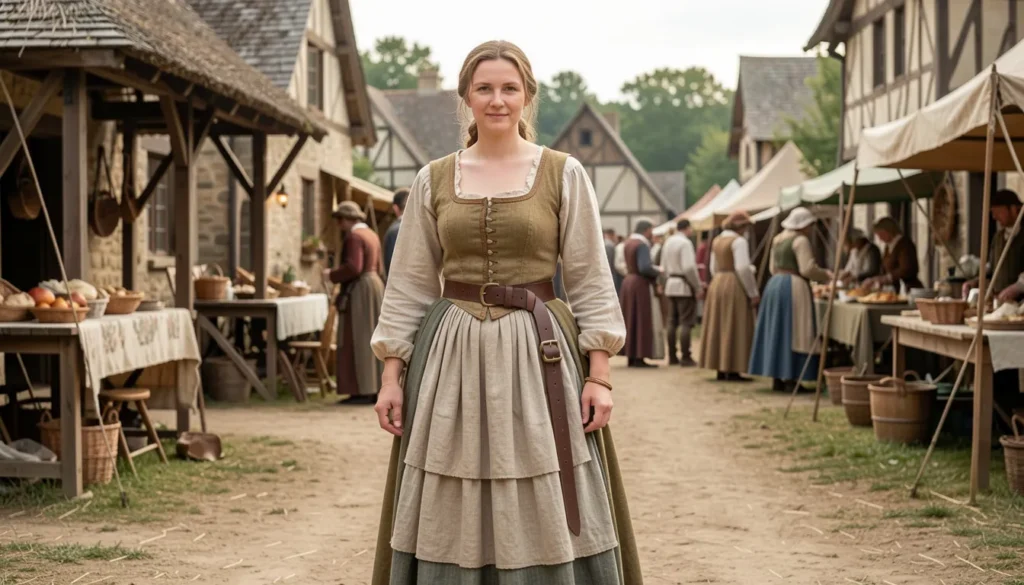
Before creating a character or style, it helps to understand the basic layers of Renaissance-style clothing. Most outfits follow a simple structure. These pieces work together, and once you understand them, it becomes much easier to build your costume.
The clothing usually starts with a light base layer. On top of that come structured pieces like bodices or jackets. Finally, skirts, trousers, or breeches complete the outfit. Accessories and outer layers then add personality and detail.
The Foundational Layer: The Chemise
The chemise for women or the undershirt for men is the base layer of the entire outfit. This piece sits directly against your skin and is one of the most important parts of the costume.
Its main job is to keep you comfortable. Since it touches your skin, it absorbs sweat and protects the outer layers like corsets, bodices, or jackets from getting dirty. This is why most experienced fair visitors never skip this layer.
The material matters a lot. Lightweight cotton or linen works best because these fabrics breathe well and help you stay cool during warm days. Many chemises also have loose sleeves and a drawstring neckline. This style looks classic and can be worn on or off the shoulders, depending on the look you want.
For Women: The Bodice or Corset
After the chemise, many women add a bodice or corset. This layer shapes the outfit and gives the classic Renaissance silhouette.
A bodice is usually a sleeveless fitted vest that ties or laces in the front. It is comfortable and easy to wear for long hours. Many people choose this style because it creates the traditional village or tavern look without feeling restrictive.
A corset is more structured and provides stronger shaping. It uses firm panels to pull the waist in and lift the bust. Some corsets cover the full torso, while others start below the bust. When worn properly, a good corset should support your posture but should never feel painful or overly tight.
For Men: The Doublet or Jerkin
For men, the most common structured piece is the doublet. This is a fitted jacket that was very popular during the Renaissance period.
A doublet usually fits closely to the body and may have buttons or laces. It can include sleeves and is often worn over a loose shirt. This piece instantly gives a more historical appearance.
Another option is the jerkin. This is a sleeveless vest that is often made from leather. It is worn over the doublet and adds another layer of style. Many pirate or adventurer outfits use this piece because it looks rugged and practical.
The Bottoms: Skirts, Breeches, and Trousers
The lower half of the outfit completes the look and depends on the character you choose.
Women usually wear long skirts. Many outfits use two skirts layered together. When the outer skirt is tucked up slightly, the color of the bottom skirt becomes visible and adds contrast to the outfit.
Men often wear breeches that end near the knee. These are usually paired with tall socks or boots. Another simple option is loose linen trousers. These work well for many characters, especially villagers, travelers, or pirates.
Choosing Your Character: Popular Ren Faire Archetypes
One of the easiest ways to design your outfit is to choose a character type. Once you have a theme, it becomes easier to pick clothing, colors, and accessories.
Over the years, certain styles have become very popular at Renaissance Faires because they are easy to build and instantly recognizable.
The Humble Peasant or Villager
This is often the first outfit many people try. It is simple, comfortable, and affordable.
For women, the look usually starts with a loose chemise and a simple bodice. Long skirts in natural colors such as brown, green, or beige complete the outfit. Adding a leather belt with a pouch helps make the outfit look practical and realistic.
For men, a loose shirt and knee-length breeches create the base of the costume. Tall socks or leg wraps can add more detail. A simple vest also works well as an extra layer.
Accessories are important for this style. A cloth head covering, leather pouch, wooden mug, and basic sandals or boots help bring the whole look together.
The Bold and Daring Pirate
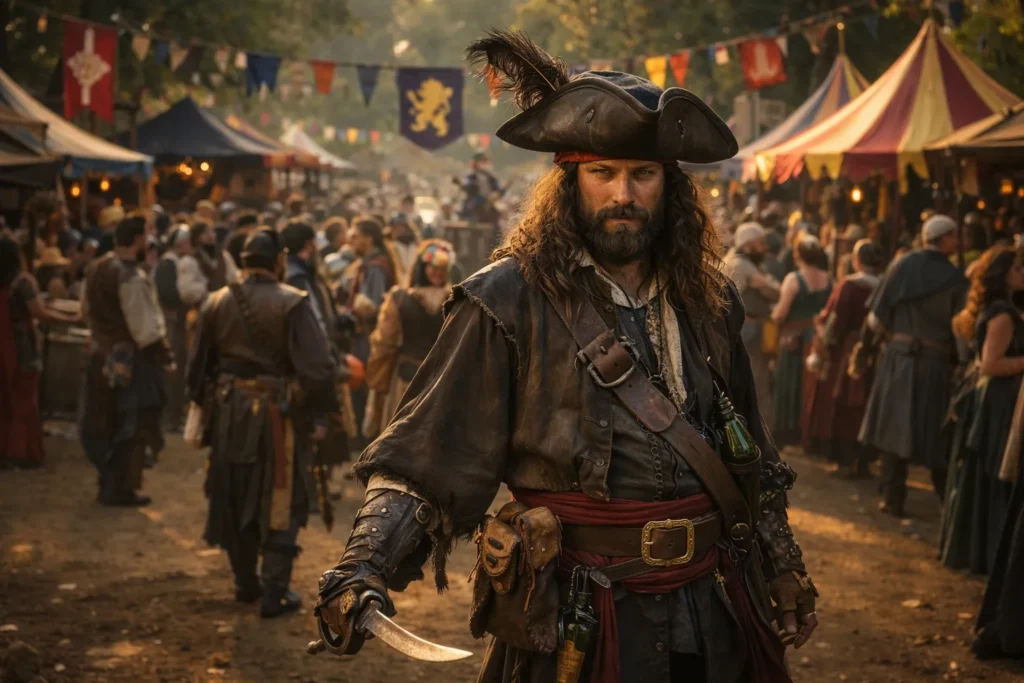
Pirate outfits are always popular because they allow for more personality and attitude.
The basic clothing often starts with the same pieces as a villager outfit, but the styling becomes more dramatic. A loose open-neck shirt, wide trousers, and a leather vest help create the classic pirate appearance.
Accessories play a big role in this character. Many pirates wear a bandana or a three-corner hat. Wide belts, decorative buckles, and colorful waist sashes add more detail. Some people also carry prop weapons like a sword or pistol, depending on the event rules.
The Noble Knight or Lady
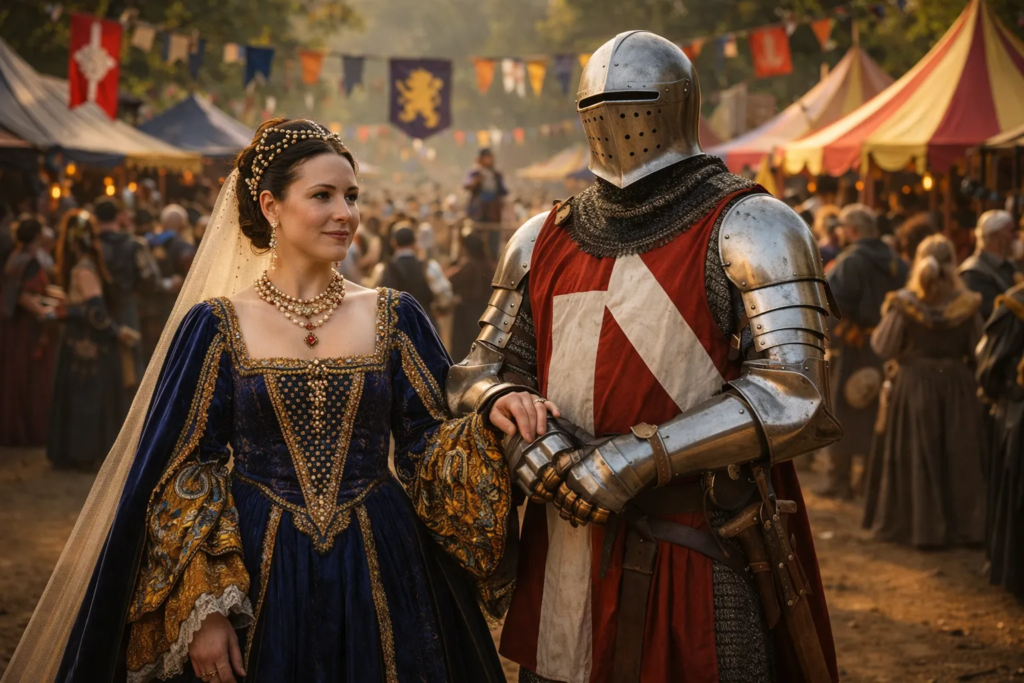
If you want a more elegant look, the noble style is a great option.
For women, the outfit often includes a formal gown with a fitted bodice and a wide skirt made from rich fabrics. Velvet or brocade materials help create a royal appearance. Some outfits also include a fitted overdress worn over a fine chemise.
For men, the noble look includes a tailored doublet with matching breeches. These garments are usually made from richer fabrics and may include decorative cuts that reveal contrasting colors underneath.
Jewelry, decorated belts, and elegant hats help complete the noble look. Knights may also add armor pieces or a sword to represent their status.
The Mystical Fae or Elf
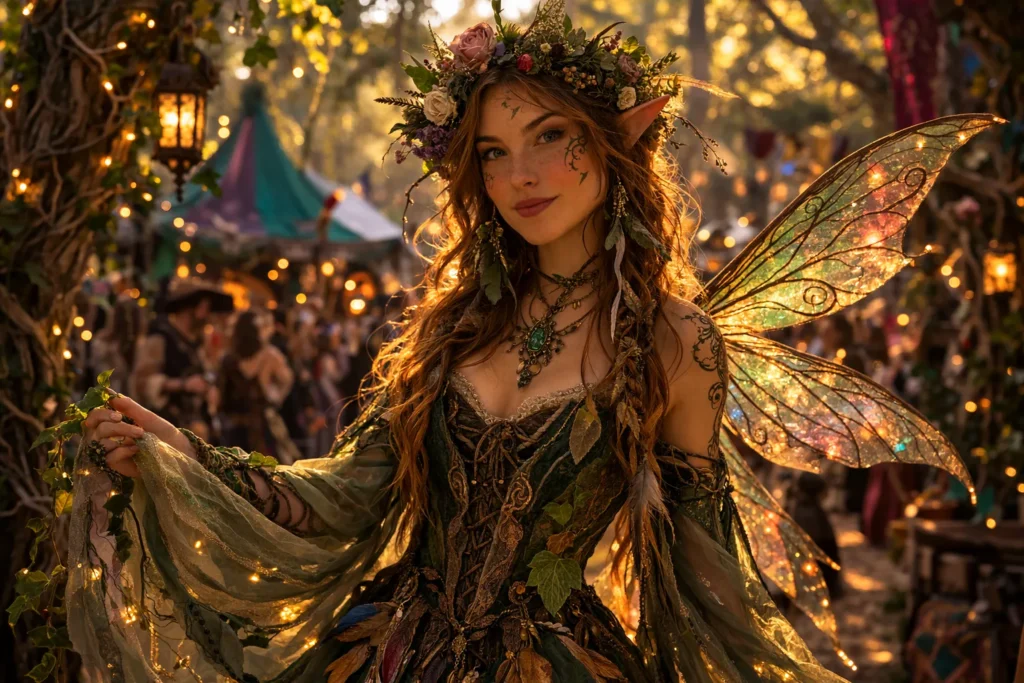
Fantasy characters are a beloved part of many Renaissance Faires. This category allows the most creativity.
These outfits often start with natural colors like green, brown, and soft earth tones. Flowing dresses or tunics create a magical appearance. Many people add layers that look inspired by nature.
Accessories bring the fantasy theme to life. Flower crowns, elf ear accessories, glitter, or body paint are common. Some outfits include horns or branches shaped like wands. Natural materials like leaves and flowers help make the outfit feel mystical.
The Hardy Barbarian or Viking
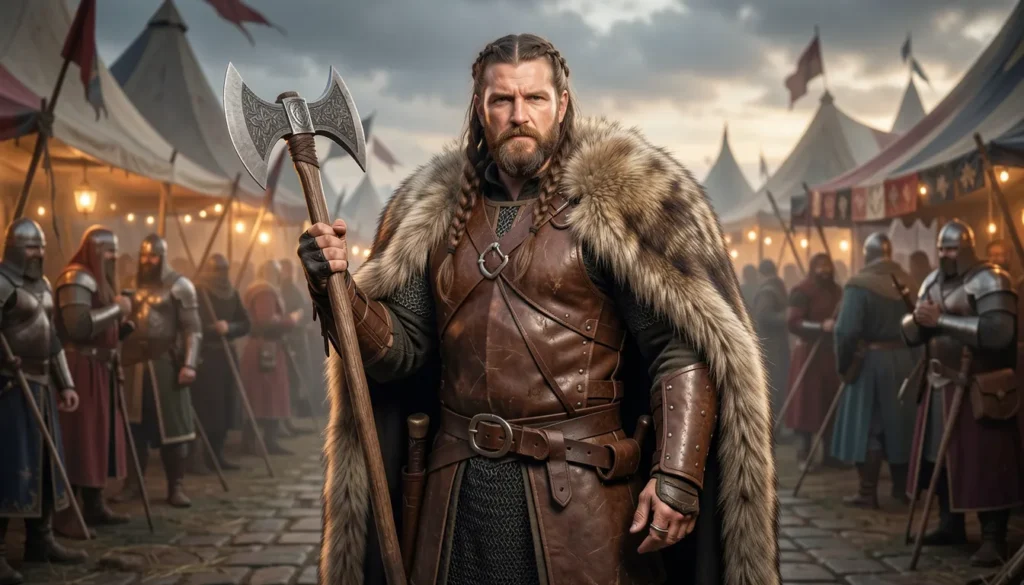
For people who want a strong and rugged look, the barbarian or Viking style is a great choice.
These outfits usually include a simple tunic worn over loose trousers. Leather belts, arm guards, and heavy boots add to the warrior look. Many costumes also include fur cloaks or shoulder pieces.
Accessories such as axes, shields, or drinking horns help complete the character. Braided hair and beards also add authenticity to this style.
Comfort is King: Practical Tips for a Full Day at the Faire
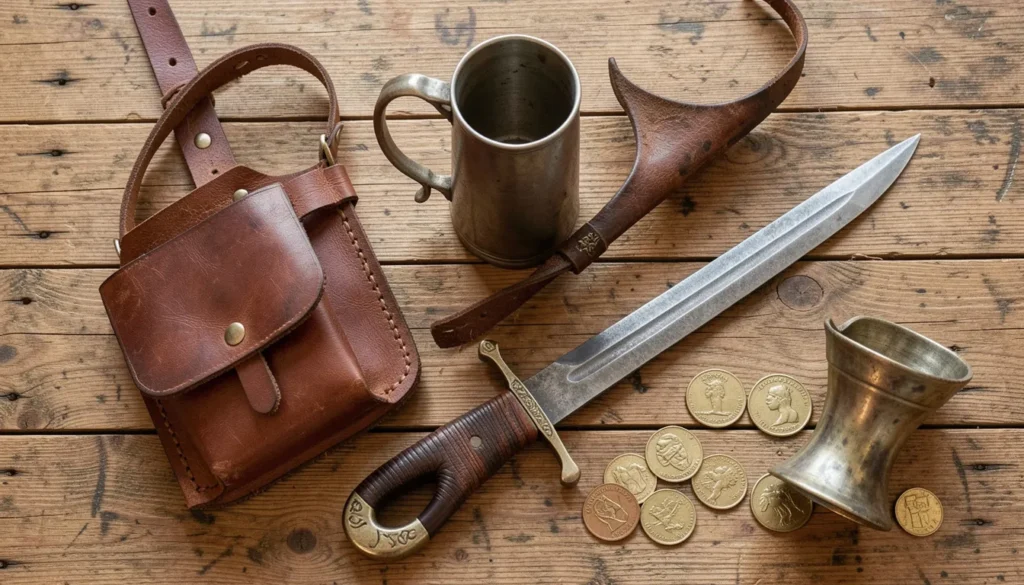
A Renaissance Faire usually involves a lot of walking, standing, and exploring. Because of this, comfort should always be a top priority when planning your outfit.
An outfit may look great, but if it is uncomfortable, it can make the whole day difficult. With the right choices, you can enjoy the event without worrying about your clothing.
Footwear is Everything
Shoes are one of the most important parts of your outfit.
Never wear brand-new boots to the event. They should already be broken in and comfortable before the day of the faire. Walking on uneven ground can quickly cause pain if your shoes are not ready.
If you do not own historical-style boots, comfortable hiking boots in neutral colors are a good alternative. They may not look perfectly historical, but they will protect your feet.
Adding cushioned insoles can also make a big difference, especially if you plan to stay at the event all day.
Fabric Choices Matter
The fabric of your clothing affects how comfortable you feel.
Synthetic materials like polyester tend to trap heat and make you feel hot. Natural fabrics work much better for outdoor events.
Cotton and linen are excellent choices because they allow air to pass through the fabric. This helps keep your body cool during warm weather. For colder days, wool can provide warmth while still fitting the historical style.
Essential, Practical Accessories
Accessories should not only look good but also be useful.
A belt pouch is very helpful because it allows you to carry small items like your phone, wallet, or keys while keeping your outfit in character.
Many people also carry a mug attached to their belt. This is both a decorative piece and a practical item since vendors often refill personal mugs with drinks or water.
Head coverings like hats or bandanas also help protect you from the sun, which can make a big difference during long outdoor events.
DIY and Budget-Friendly Ren Faire Outfits
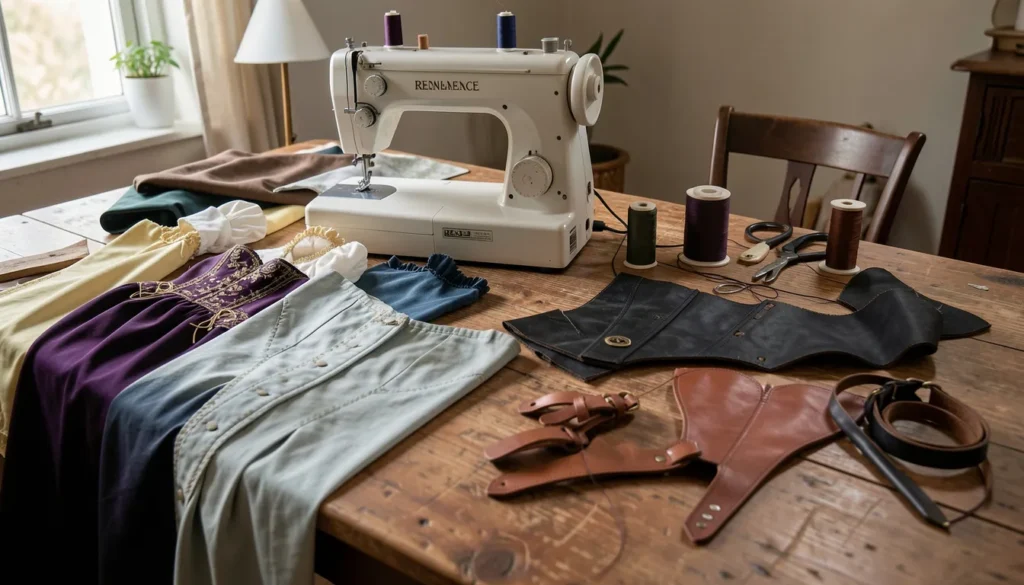
You do not need to spend a lot of money to create a great costume. Many people build amazing outfits using thrift stores and simple clothing modifications.
With a little creativity, everyday clothing can easily be transformed into something that looks perfect for a Renaissance Faire.
The Power of Thrifting
Thrift stores are one of the best places to find costume pieces.
Loose white blouses with wide sleeves can work well as chemises or pirate shirts. Long skirts in natural colors can easily become part of a layered Renaissance outfit.
Leather belts are also very common in thrift shops. Several belts can be combined to create a more detailed costume look.
Simple vests can also become pirate jackets or peasant bodices with only a few small adjustments.
Simple DIY Modifications
Small changes can turn modern clothing into something that fits the Renaissance theme.
An oversized t-shirt can become a tunic by cutting the neckline wider and adding laces to the front. This creates a rough, historical look.
A vest can be changed into a bodice by replacing buttons with lacing. This small modification instantly changes the style.
Some people also give their clothing an aged look by lightly fading the fabric with tea or diluted paint. This removes the brand-new appearance and helps the outfit feel more authentic.
Final Touches: Hair, Makeup, and Final Preparations
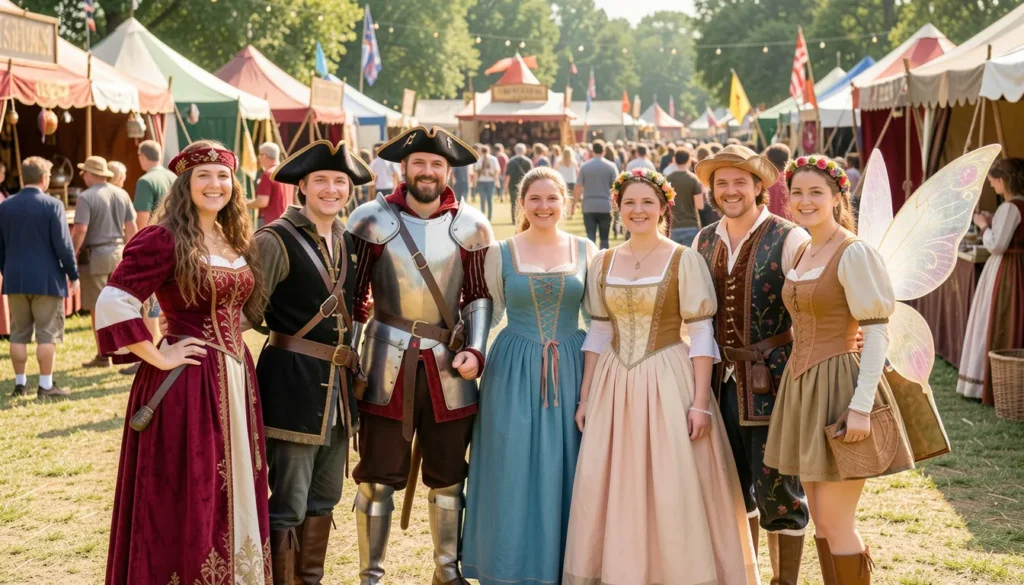
Once your clothing is ready, the final details help bring your character to life.
Hair styling can add a lot to the overall look. Braids are a popular choice because they fit many historical styles and also keep hair out of the face during warm weather. Men with long hair often choose simple ponytails or tied styles.
Makeup is usually kept simple for most historical characters. Natural tones work well, and small touches like smudged brown shades can create a rugged look for peasants or warriors. Fantasy characters often use brighter colors, glitter, or decorative designs.
Before attending the event, it is helpful to wear your full costume at home for a short time. This test run helps you notice any problems such as tight straps, uncomfortable shoes, or clothing that restricts movement.
Fixing these small issues beforehand can make the entire day much more enjoyable.
Conclusion
Creating a Renaissance Faire outfit is a fun and creative process. The right costume helps you feel like part of the event instead of just watching from the sidelines.
Whether you choose to dress as a villager, pirate, noble, elf, or warrior, the most important thing is to wear something you enjoy. Start with breathable base layers, build your outfit with simple clothing pieces, and add accessories that match your character.
Comfort should always come first, especially when it comes to shoes and fabric choices. With the right preparation, you can enjoy the full experience of the faire while feeling confident and comfortable in your costume.
Frequently Asked Questions (FAQs)
Q1: What should I wear to a Renaissance Faire for the first time?
For a first visit, a simple villager or peasant outfit works best. A cotton chemise or loose shirt paired with a bodice or vest and a long skirt or breeches creates a comfortable and appropriate look. Natural fabrics and simple accessories help complete the outfit without making it complicated.
Q2: Do I have to dress up to go to a Ren Faire?
Dressing up is not required. Many people attend in regular clothing. However, wearing even a simple costume can make the experience more enjoyable because it helps you feel part of the environment and the story around you.
Q3: Can I wear fantasy costumes like elves or fairies?
Yes, fantasy characters are widely accepted at many Renaissance Faires. Elves, fairies, wizards, and other magical characters are very common and add to the creative atmosphere of the event.
Q4: What are the most important items for comfort at a Ren Faire?
Comfort mainly depends on three things. First, wear comfortable shoes that are already broken in. Second, choose breathable fabrics like cotton or linen. Third, use a hat or head covering for sun protection. Carrying a mug for water can also help you stay hydrated during the event.


One Comment