
The Ultimate Guide to the Modern Cheerleader Outfit
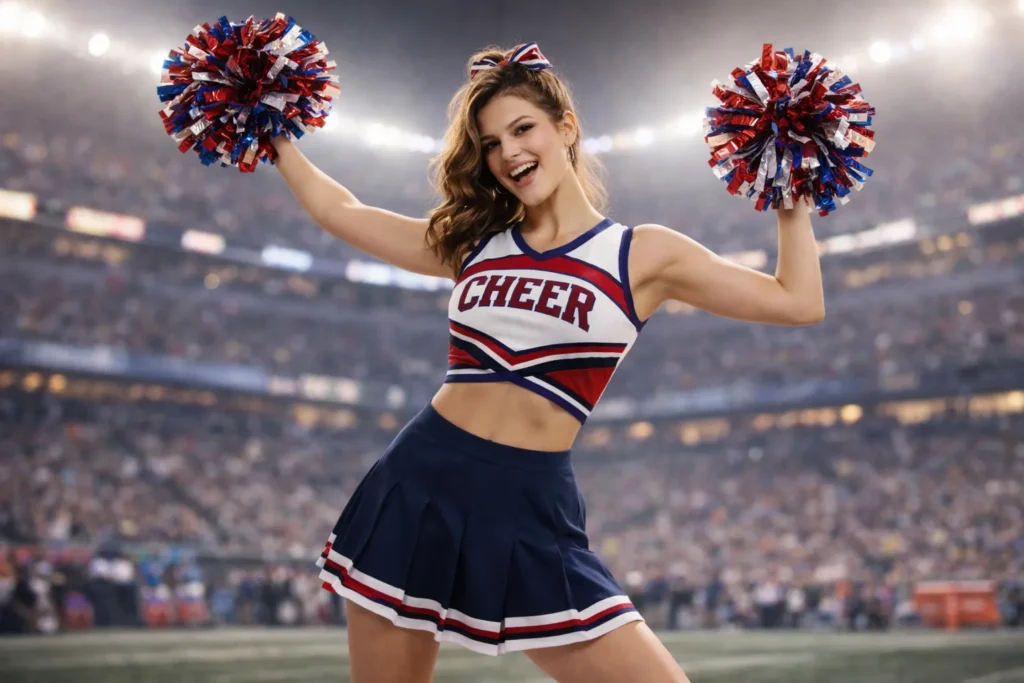
Cheerleader outfits are more than just uniforms—they’re performance gear that balances style, function, and team spirit. From the right fabric to proper fit, accessories, and emerging trends, this guide covers everything you need to know to keep your squad looking and performing their best.
When I think of cheerleading, the iconic uniform always comes to mind. It’s a symbol of school pride, teamwork, and high-energy performances. But picking the right outfit isn’t just about looks—it’s about choosing the right materials, complying with rules, and staying on trend. For athletes, coaches, or parents, the right uniform helps the team perform safely and confidently.
This guide walks you through every element of a cheerleader outfit. I’ll explain the differences between sideline and competitive uniforms, break down each essential piece, and share tips for fit, style, and care. Whether you’re outfitting a youth squad or a college team, understanding these factors ensures your athletes shine.
The Evolution of the Cheerleader Look
To fully appreciate today’s cheer uniforms, it’s helpful to see where they started. Early cheerleaders wore wool skirts and heavy sweaters—a far cry from the performance gear we see now. As cheerleading became more athletic, uniforms had to keep up.
Modern outfits are designed for movement and comfort. Lightweight, stretchy fabrics allow athletes to tumble, jump, and stunt with ease. Functionality drives design, and today’s uniforms combine style with performance like never before.
Deconstructing the Uniform: Essential Components
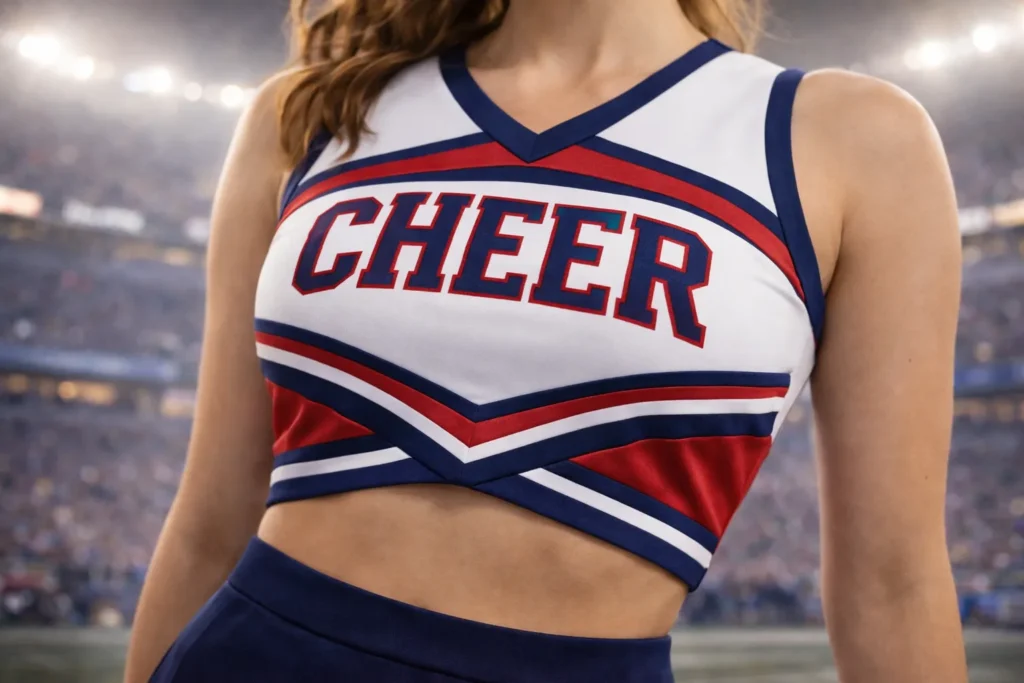
A cheerleader outfit is made up of several key pieces, each with a purpose. Understanding these elements will make ordering and fitting much easier.
The Shell (The Vest)
The shell is the sleeveless top that anchors the uniform. It usually shows the team name or logo front and center.
Design Options: Shells come in V-neck, crew neck, or sweetheart styles.
Customization: Teams can add screen printing, tackle twill, or sublimation to show off their identity.
Fit: It should be snug enough to stay in place during stunts but allow free arm movement.
The Skirt vs. The Skort
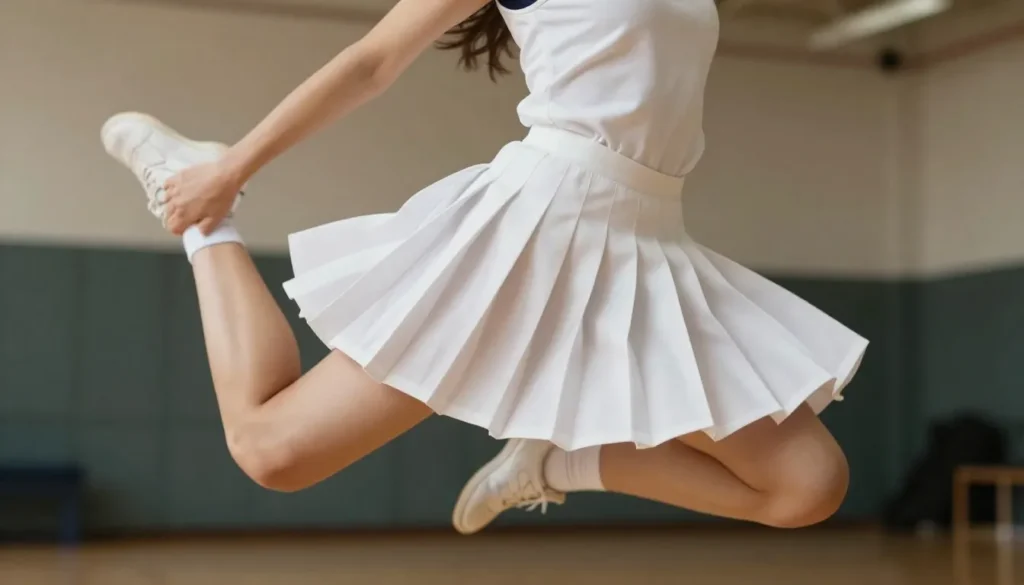
Most modern cheer uniforms feature skorts—skirts with built-in shorts—or separate briefs for safety.
Pleated Skirts: Classic choice with energy and movement in jumps.
A-Line Skirts: Sleek and modern, offering a smooth silhouette.
Fly-Away Skirts: Dramatic panels that reveal contrasting colors during routines.
The Bodyliner (Crop Liner)

A bodyliner is a long- or mid-sleeved top worn under the shell.
Function: Keeps athletes warm and ensures coverage for school regulations.
Material: Stretch fabrics like spandex or Lycra fit snugly and won’t bunch.
Briefs (Bloomers/Spankies)
If the skirt doesn’t include shorts, separate briefs are essential. They match the uniform and provide coverage during stunts and tumbling.
Scholastic vs. All-Star: Understanding the Styles

Choosing a uniform depends heavily on the type of cheer team you’re outfitting.
Scholastic Cheer (School & Rec)
School uniforms focus on tradition and modesty.
Aesthetic: Classic, collegiate, and centered on school colors.
Coverage: Midriffs are usually covered, skirts are slightly longer.
Durability: Built to last through pep rallies and practices with heavy-duty fabrics.
All-Star Cheer (Competitive Club)
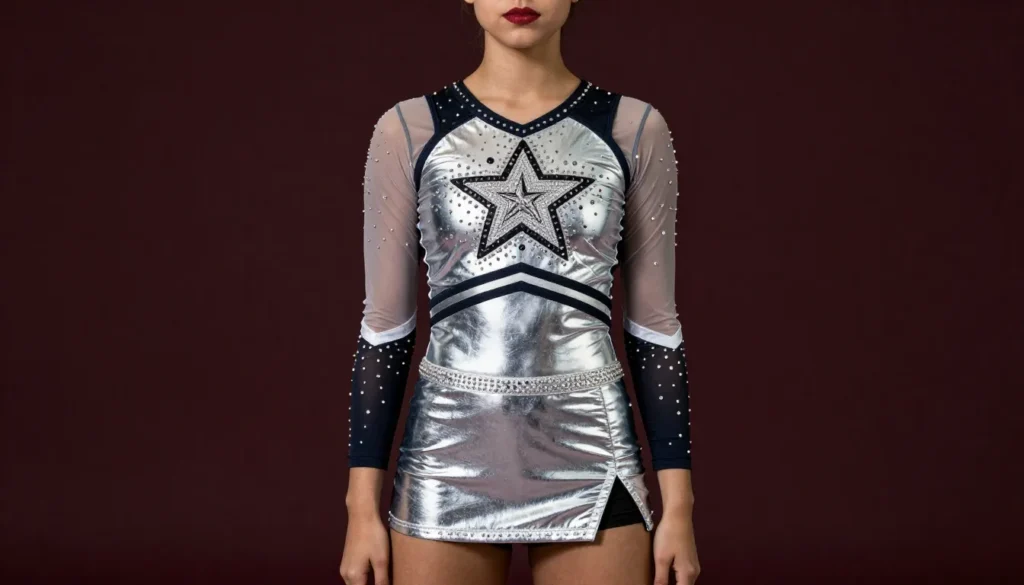
All-star uniforms are performance-focused and flashy.
Aesthetic: Bold designs, rhinestones, metallic fabrics, and mesh accents.
Cut: Crop tops are standard, though full tops are making a comeback.
Performance: Lightweight, flexible, and built for elite routines on the mat.
Fabric Matters: Choosing the Right Material
The right fabric impacts comfort, performance, and durability.
Double Knit Polyester: Standard for shells and skirts—durable and wrinkle-resistant.
Performance Stretch (Spandex/Lycra): Perfect for fitted uniforms and bodyliners.
MotionFLEX: A hybrid fabric offering structure and flexibility.
Mesh: Adds breathability and stylistic accents, especially in sleeves or backs.
Sizing and Fit: The Key to Confidence
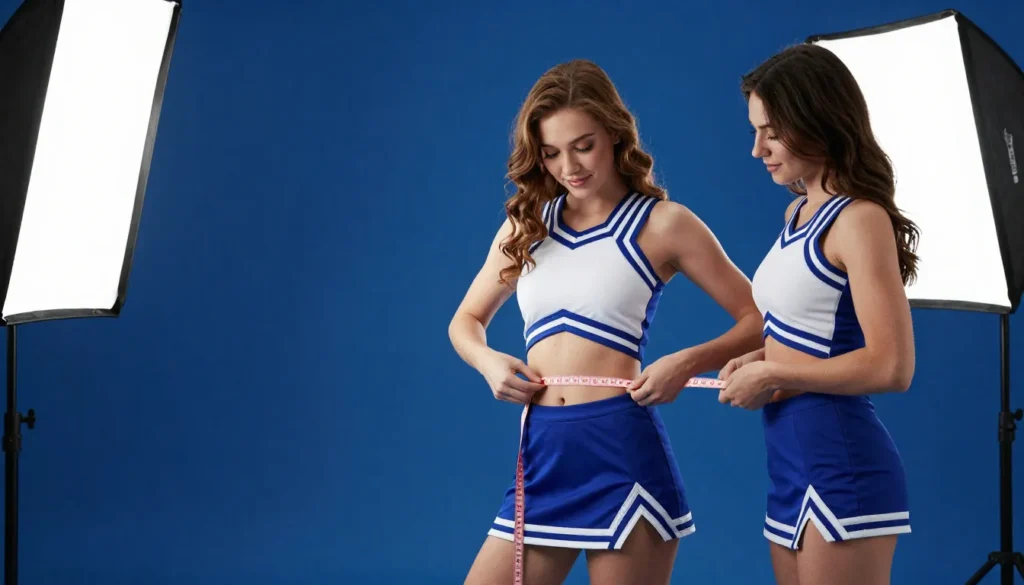
Nothing undermines a performance like a poorly fitted uniform. Too tight restricts movement; too loose can be unsafe.
How to Measure: Use a cloth tape over undergarments. Measure chest, waist, hips, and girth for bodysuits.
Fit Kits: Sample kits from manufacturers let athletes try different sizes before ordering. Brand sizing varies, so always confirm fit.
Accessories: Completing the Look
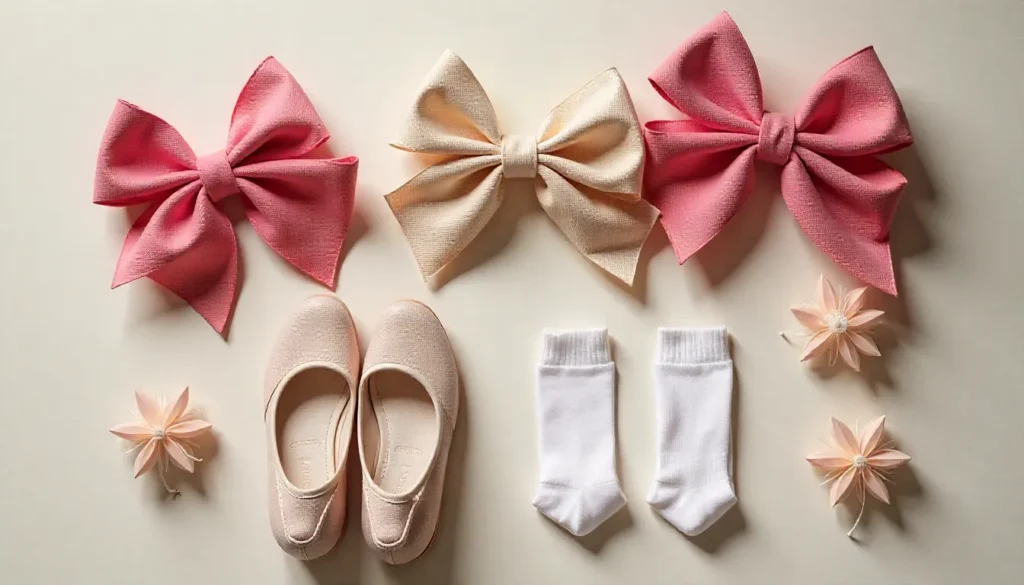
No outfit is complete without the right extras.
The Bow: Oversized, glittery, or sequined, it sits high and stays secure with a strong elastic.
Cheer Shoes: Lightweight, with proper support and finger grooves. Sideline shoes differ from competition shoes.
Socks: Low-cut or no-show white socks are popular for a clean line.
Caring for Your Uniform
Proper care extends the life of your investment.
Wash Cold: Protect spandex and rhinestones from heat damage.
Turn Inside Out: Shields logos and embellishments.
Hang Dry: Never use a dryer.
Stain Removal: Treat immediately with gentle cleaners; avoid harsh bleach.
Customization Trends for 2026
Keep your team looking fresh with the latest trends:
Sublimation: Intricate designs with unlimited colors, lightweight and smooth.
Ombre Effects: Gradated colors add dynamic flair.
Unique Back Designs: Mesh panels, strappy backs, and keyholes for creative expression.
Rhinestone Dust: Tiny crystals for subtle sparkle without heavy embellishments.
Conclusion
Choosing the right cheerleader outfit blends tradition with innovation. From pleated shells to dazzling all-star ensembles, the goal is the same: confidence, performance, and team unity. By selecting quality fabrics, ensuring the perfect fit, and maintaining the uniform properly, you give athletes the armor they need to shine.
Key Takeaways
- Cheer uniforms balance style, function, and safety.
- Fit is critical—measure properly and use fit kits.
- Fabrics like spandex and double knit polyester enhance performance.
- Accessories complete the look and should be functional.
- Emerging trends include sublimation, ombre designs, and subtle rhinestone details.
Frequently Asked Questions (FAQs)
1. How much does a typical cheerleader outfit cost?
A basic school uniform starts around $60-$100, while fully customized competitive uniforms can range from $250-$500 or more.
2. Can we design our own uniforms?
Yes! Many companies offer online design tools, or you can work with a representative for fully custom designs.
3. How long should a cheer skirt be?
School skirts often follow “fingertip length,” while competitive skirts are shorter for maximum mobility.
4. What is the difference between tackle twill and screen print?
Screen print applies ink to fabric and can crack over time. Tackle twill is stitched fabric letters that are durable and three-dimensional.
5. Do I need a bodysuit for a competition uniform?
Not always. Some divisions require coverage, but many all-star crop tops are competition-ready without a liner.