USA Olympic Outfits 2026: A Deep Dive into Team USA’s Winter Wardrobe

The Olympic Games bring together athletes from around the world to compete at the highest level. Every two years, people watch these events with great excitement. Along with the sports, the outfits worn by the athletes also attract a lot of attention. As the Winter Games in Milano Cortina approach, many people are curious about the USA Olympic Outfits for 2026.
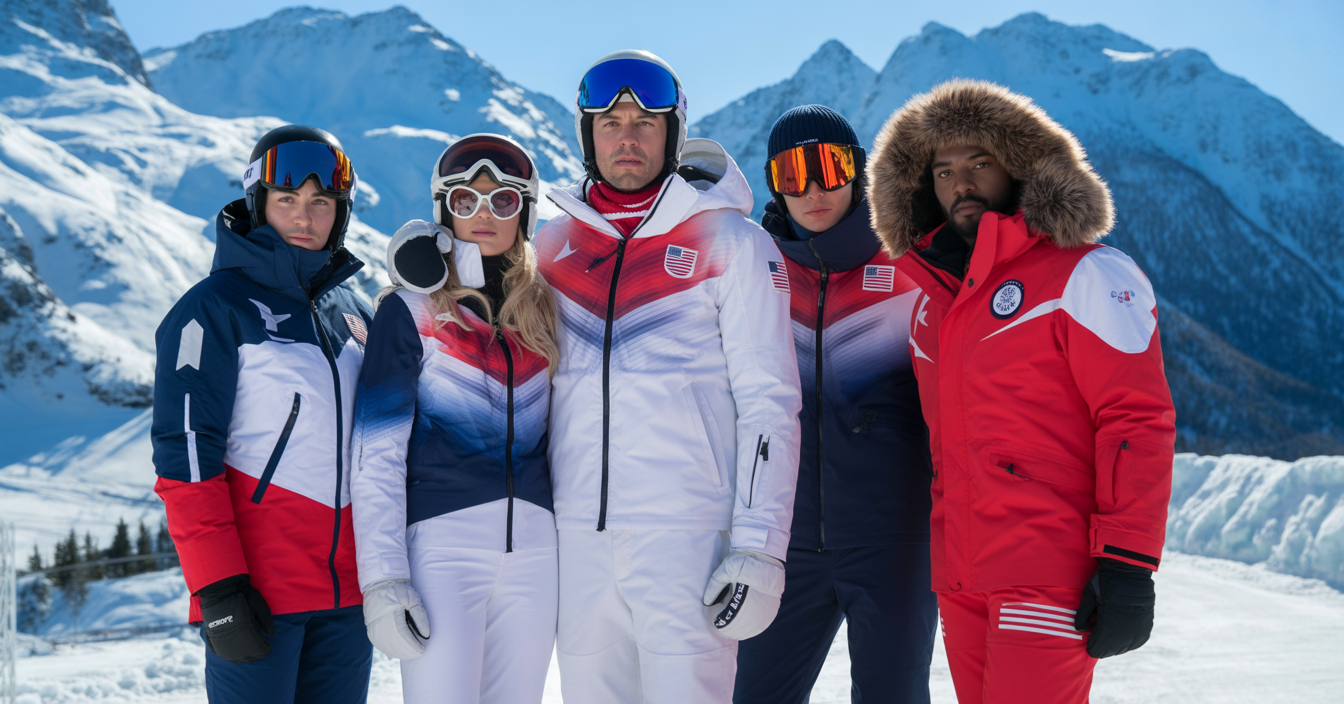
The clothing worn by Team USA is not only about showing national pride. These outfits also highlight new fabric technology, modern design, and responsible production methods. Athletes wear these clothes during ceremonies, competitions, and award presentations. Because of this, the outfits must look good while also helping athletes perform well in cold winter conditions.
This guide explains what we can expect from the 2026 collection. It looks at how the outfits have changed over time, the technology used in the fabrics, the brands responsible for designing them, and how the clothing protects athletes during winter sports.
The Evolution of Team USA Olympic Outfits
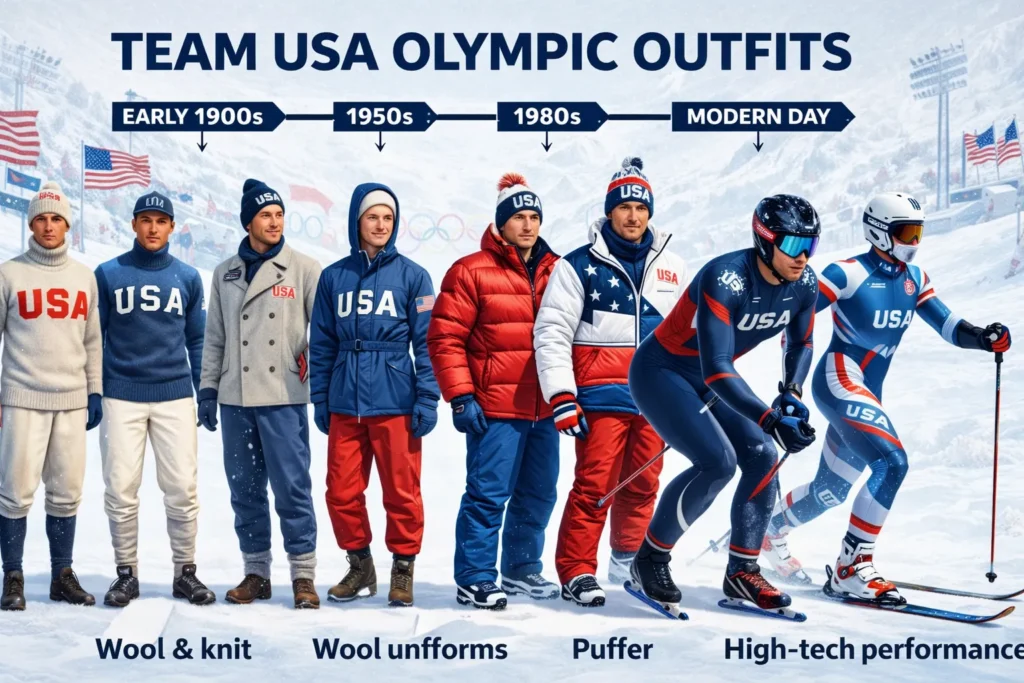
To understand what the 2026 outfits might look like, it helps to see how Olympic clothing has changed over many years. In the past, the focus was mainly on warmth and basic protection from the cold. Today, the outfits are designed with advanced materials and technology to support athletic performance.
Historical Highlights
In the early years of the Winter Olympics, athletes wore very simple clothing. Thick sweaters made of wool, heavy trousers, and leather boots were common. These garments were mainly meant to keep athletes warm rather than improve movement or speed. Many athletes even used military-style cold-weather clothing because it was easy to obtain and strong enough for winter conditions.
Later, during the 1980s and 1990s, clothing styles began to change. Bright colors became popular, and new materials such as nylon and early spandex started to appear. These fabrics helped block wind and allowed athletes to move more freely while skating, skiing, or competing on snow.
Shifting from Formal to Functional
In the past, the outfits worn during the Opening and Closing Ceremonies looked very formal. Athletes often wore structured blazers, ties, skirts, or dress pants. These outfits looked neat but were not always comfortable for long events in freezing weather.
Over time, designers realized that athletes needed clothing that was both stylish and comfortable. In recent Olympic Games, ceremony outfits have become more relaxed and practical. Modern designs combine a polished look with the comfort of athletic clothing. For the 2026 games, this idea will likely continue, with outfits that look good but also help athletes stay warm and comfortable.
What to Expect from USA Olympic Outfits 2026
The Winter Games in Italy create an exciting setting for fashion. Milan is known worldwide for its fashion influence, so expectations for the 2026 Team USA outfits are very high. Designers are expected to present clothing that stands out while also meeting the needs of winter athletes.
High-Tech Fabric Innovations
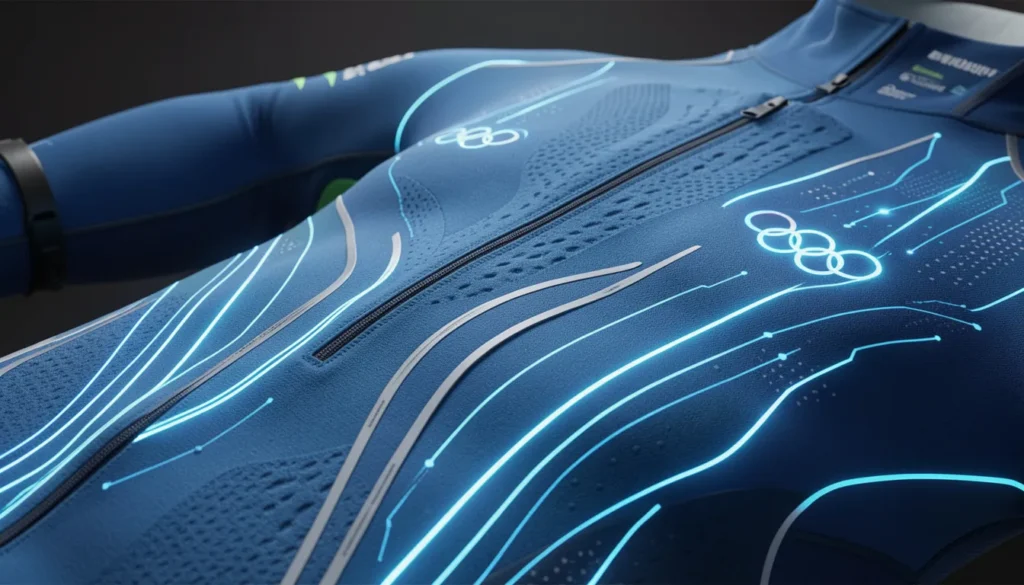
Winter sports demand clothing that can handle freezing temperatures, strong winds, and intense physical activity. Because of this, the outfits for 2026 will use advanced fabric technology.
One important feature will be intelligent insulation. Some jackets will include materials that adjust to the athlete’s body temperature. When the body becomes cold, the material expands to trap heat. When the body warms up, it helps release moisture so the athlete stays comfortable.
Another improvement involves seamless aerodynamics. In sports like downhill skiing and speed skating, wind resistance can slow athletes down. New uniforms are designed using special knitting techniques that remove seams that could create drag in the air.
Protection is also important. Some skiing and snowboarding outfits will include flexible protective layers hidden inside the design. These materials stay lightweight but can become firm during impact to help reduce injuries.
Sustainable and Eco-Friendly Materials
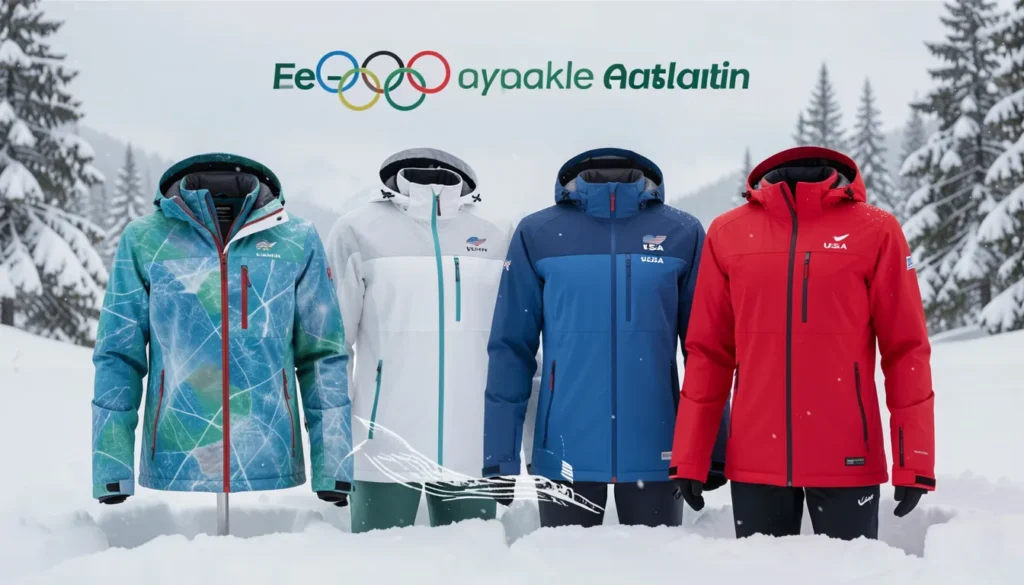
Modern Olympic clothing also focuses on protecting the environment. Sustainability has become an important goal in the manufacturing process. The organizations involved with the Olympic Games are encouraging designs that reduce environmental impact.
Many of the fabrics used in the 2026 outfits will come from recycled materials. For example, some fibers used in jackets and snow pants will be made from recycled ocean plastics.
Insulation materials are also changing. Instead of using new feathers, designers are using repurposed down taken from older garments and carefully cleaned for reuse.
Even the dyeing process is becoming more responsible. Water-saving dye methods can create strong colors while using far less water than traditional techniques.
The Color Palette: Beyond Red, White, and Blue
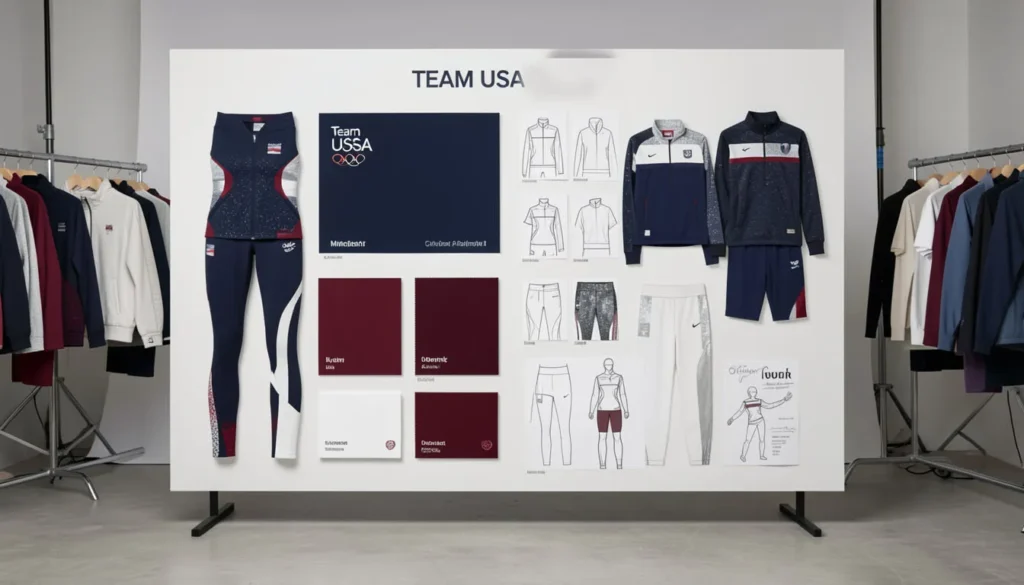
The colors of the American flag will always be part of Team USA outfits. However, designers often experiment with different shades to create a fresh look.
For the 2026 collection, deeper and richer tones are expected. Instead of bright blue, darker navy shades may appear. Red may also appear in deeper crimson tones rather than bright cherry red.
Designers may also add metallic details such as silver or icy white. These colors reflect the snowy mountain environment where the Winter Games will take place.
Key Designers and Brands Behind the Looks
Creating Olympic outfits for hundreds of athletes is a large and complex task. Many different designers and brands work together to produce the final collection.
The Legacy of Ralph Lauren
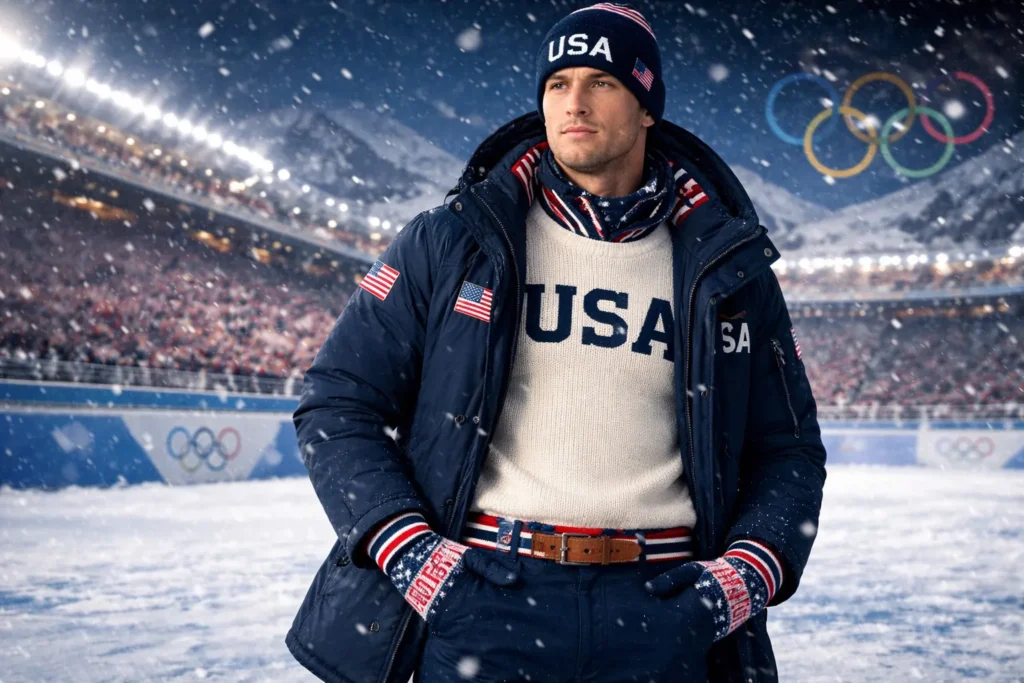
For more than ten years, Ralph Lauren has designed the outfits worn by Team USA during the Opening and Closing Ceremonies. These designs often show a classic American style that feels traditional yet modern.
For the 2026 games, the designs may include thick knit sweaters, tailored puffer jackets, and classic materials such as denim or corduroy. Ralph Lauren is also known for adding useful technology to these garments, including jackets that can be heated with small battery systems.
High-Performance Athletic Wear Providers
While ceremony outfits are handled by fashion designers, competition clothing usually comes from athletic brands that specialize in sports performance.
Nike is often responsible for podium wear. These outfits include modern tracksuits and official footwear worn when athletes receive their medals.
Spyder is well known in the skiing world and often designs the technical suits used by the U.S. Alpine Ski Team. These suits focus on aerodynamics and protection.
Burton commonly designs clothing for snowboarding events. Their gear often reflects snowboard culture while still offering the protection and flexibility needed for difficult tricks.
Breakdown of the USA Olympic Outfits Wardrobe
Athletes attending the Olympic Games receive more than one outfit. They are given a full wardrobe that covers many different situations during their time at the event.
The Opening Ceremony Ensembles
The Opening Ceremony outfit is usually the most photographed clothing of the entire Olympics. Athletes march together during a long parade, so the clothing must keep them warm and comfortable.
These outfits often include a thick parka, a bold sweater, gloves, and a special hat designed to match the theme of the collection.
Podium Presentation Wear
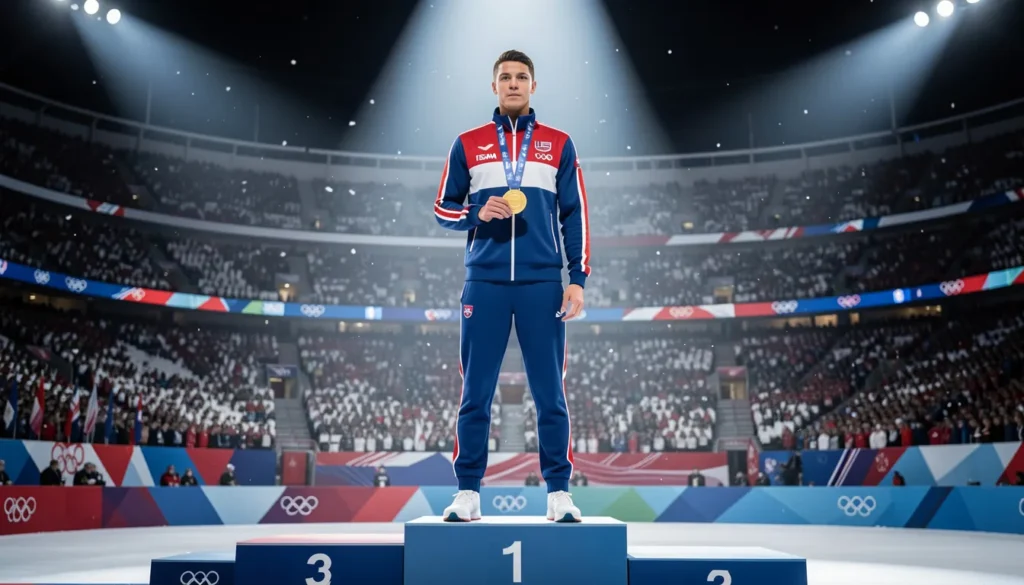
When athletes win medals, they must wear a special uniform during the award ceremony. This outfit usually looks more athletic than the ceremony clothing.
The podium outfit typically includes a clean and modern tracksuit. It is designed to look sharp in photos while clearly showing the American flag and national colors.
Athlete Village Casual Wear
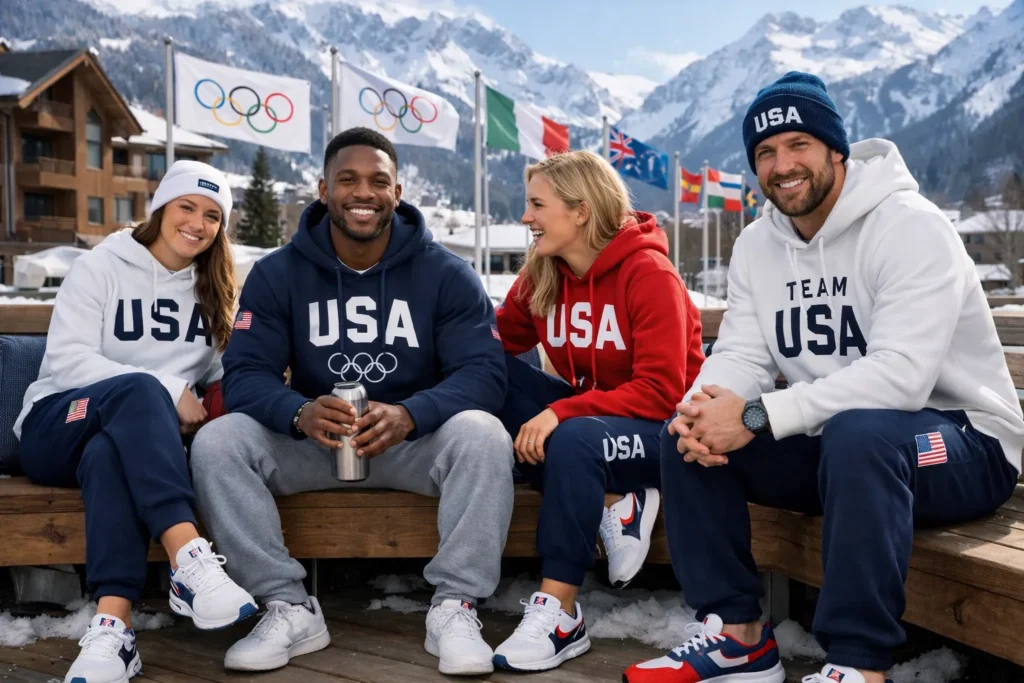
When athletes are not competing or attending official events, they spend time in the Olympic Village. For this time, they receive casual clothing.
This includes items like sweatpants, hoodies, long-sleeve shirts, and comfortable sneakers. The goal of this clothing is simple comfort so athletes can relax and recover between competitions.
Competition-Specific Uniforms
Each winter sport requires different types of clothing.
Figure skating outfits are often custom designs filled with decorative details. These costumes must allow flexibility and help express the artistic side of the performance.
Bobsled and skeleton athletes wear very tight suits designed to reduce air resistance and improve speed.
Curling athletes wear flexible pants that allow easy lunging movements. Their shoes are also special, with one sole designed for sliding and the other for gripping the ice.
How Winter Sports Influence Design
Designing clothing for winter sports is challenging. The outfits must handle cold weather while still allowing full movement and high performance.
Aerodynamics in Speed Skating
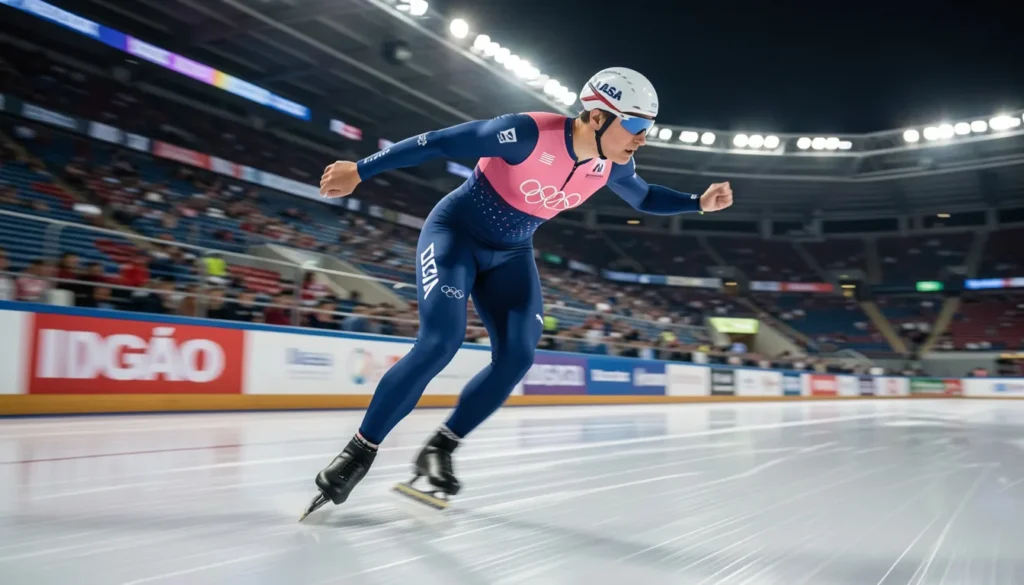
Speed skating races can be decided by very small time differences. Because of this, the suits worn by skaters are designed very carefully.
Designers place different fabric textures on different parts of the body. Some sections may use slightly rough fabric to manage airflow, while smoother material covers other areas to help the athlete move through the air more easily.
Mobility in Snowboarding and Skiing
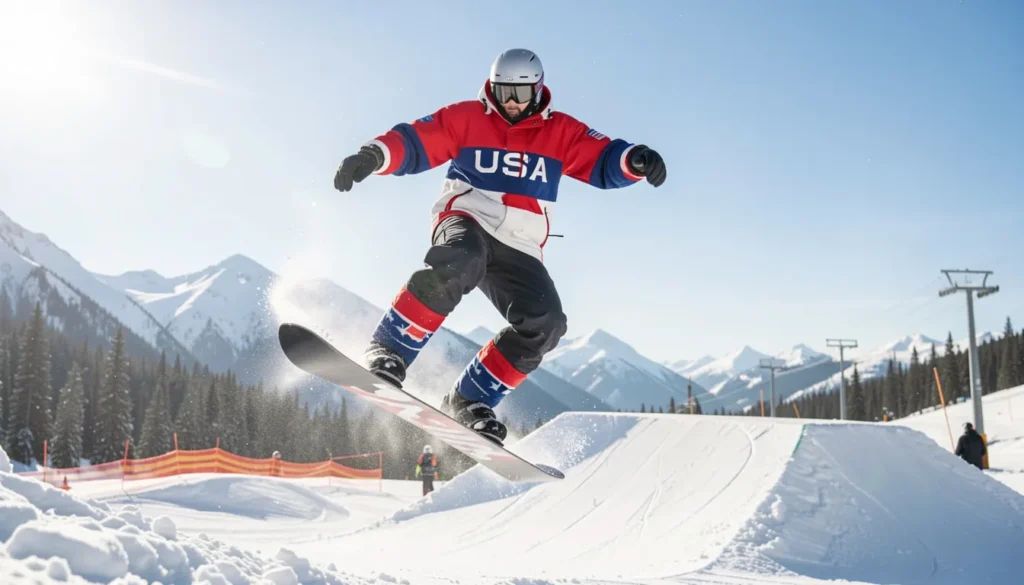
Snowboarders and freestyle skiers need wide movement for jumps and tricks. Their clothing is often looser than other sports uniforms.
However, these outfits still need to block water and allow air to pass through the fabric. Designers also shape certain parts of the clothing around the knees and elbows so athletes can bend easily without the fabric becoming tight.
The Cultural Impact of Olympic Fashion
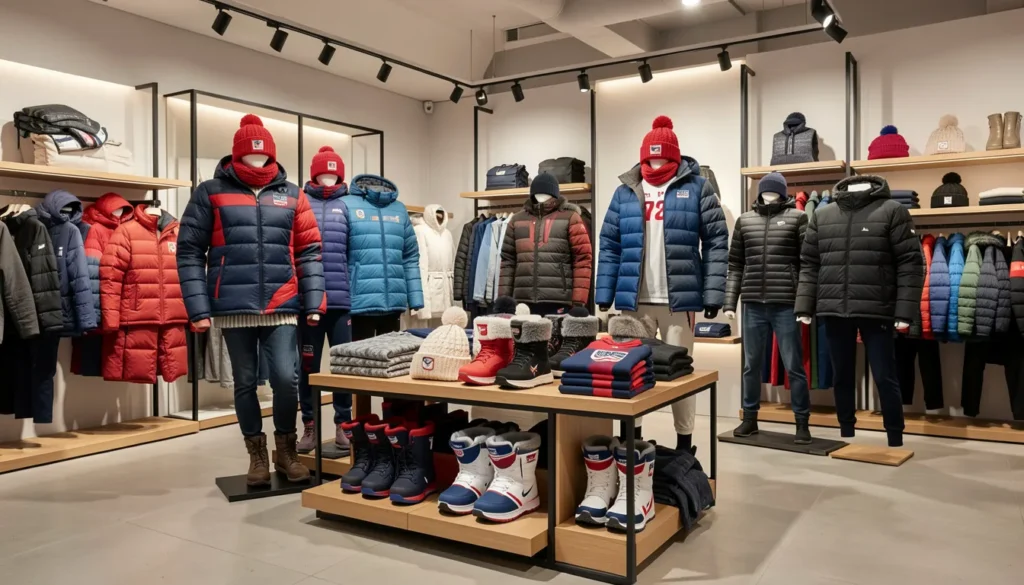
Olympic outfits do more than serve athletes. They also influence fashion trends and represent the spirit of the country.
Inspiring Retail Trends
Clothing worn during the Winter Olympics often affects what people buy in the following seasons. When a certain jacket, hat, or boot style becomes popular during the Games, clothing brands often release similar designs for the public.
Because millions of people watch the Olympics, the event becomes a powerful place for fashion trends to begin.
Representation and National Pride
Team USA outfits also carry a deeper meaning. They represent the country on a global stage. Athletes from many backgrounds compete in different sports, but they all wear clothing that connects them as one team.
Seeing these athletes together in well-designed uniforms can create a strong feeling of unity and pride among viewers.
Conclusion
The USA Olympic Outfits for 2026 are expected to combine modern fashion with advanced sports technology. These garments must keep athletes warm, support their movements, and present a strong national image during the Winter Games in Milano Cortina.
From sustainable materials to innovative fabric design, every detail plays an important role. The outfits not only help athletes perform in extreme conditions but also show the creativity and innovation behind American design. As the games approach, many people are eager to see these outfits appear on the ice and snow.
Frequently Asked Questions (FAQs)
Q1: Who designs the USA Olympic outfits?
Several brands work together to create the wardrobe. Ralph Lauren usually designs the outfits for the Opening and Closing Ceremonies. Nike often produces the podium tracksuits and casual clothing. Technical competition gear for sports like skiing and snowboarding is usually created by brands such as Spyder and Burton.
Q2: Can the public buy the Team USA Olympic clothing?
Yes, many of the official designers release versions of the Olympic clothing for the public. Brands like Ralph Lauren and Nike often sell limited collections inspired by the Olympic outfits, although these items usually sell out quickly.
Q3: Why are Winter Olympic outfits so expensive to make?
Winter sports clothing requires advanced materials that are waterproof, windproof, breathable, and insulated at the same time. Creating these fabrics takes extensive research and careful manufacturing. When custom tailoring and performance design are added, the cost increases even more.
Q4: Are the 2026 outfits environmentally friendly?
Yes, the organizations behind the Olympic Games have set goals to reduce environmental impact. The 2026 outfits are expected to include recycled materials, reused insulation, and production methods that save water during manufacturing.