How to Style a Vintage Outfit: A Guide to Timeless Fashion
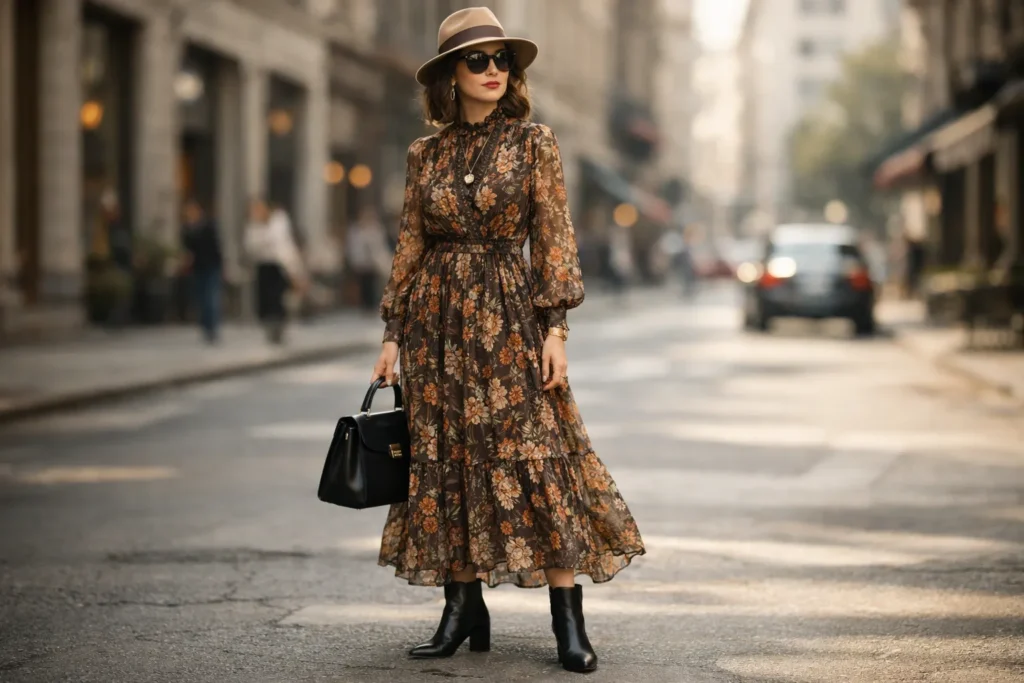
Stepping out in a vintage outfit is not just about wearing old clothes. It is about bringing history into your wardrobe and telling a story with your style. Vintage fashion lets you stand out, make sustainable choices, and enjoy the trends of past decades. From the rebellious energy of the 1950s to the free-spirited 1970s and bold 1980s, each era has its charm. This guide will help you style vintage clothing in a way that is both classic and unique to you.
Why We Love Vintage Fashion
Vintage fashion is more than just style—it has real benefits. Wearing vintage pieces lets you express yourself in ways that modern fast fashion often cannot. Most modern stores sell similar styles, so vintage clothing gives you a one-of-a-kind look. The craftsmanship is another reason. Older clothes were made with care, using strong fabrics and careful sewing, which means they last longer than many modern items. Vintage clothing also supports sustainability. Choosing pre-loved items reduces waste and helps the environment by keeping clothes out of landfills.
A Journey Through the Decades: Finding Your Era
Vintage fashion covers many decades, and each has its own look. Knowing the style of each era helps you create outfits that feel authentic. Focusing on one decade is a good way to start, though mixing pieces can work if done carefully.
The 1940s: Utilitarian Elegance
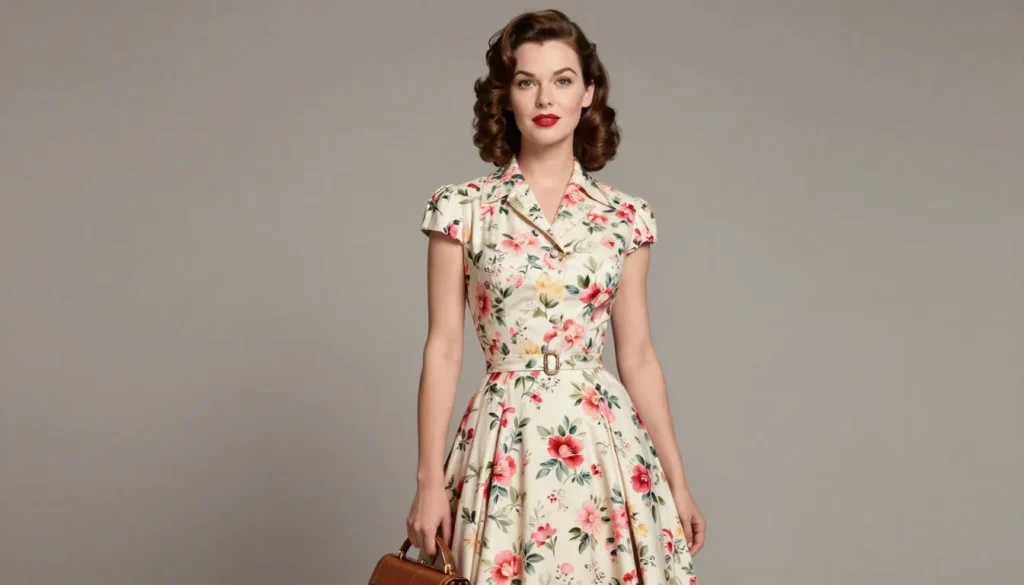
The 1940s were practical and elegant because of wartime restrictions.
Key Silhouettes: Knee-length A-line skirts, sharp shoulder pads, and high-waisted trousers. The hourglass figure was emphasized.
Fabrics & Prints: Rayon, small floral prints, polka dots, and checks.
Iconic Pieces: Tea dresses, tailored suits with peplum jackets, and victory roll hairstyles.
How to Style It: Pair a floral tea dress with low block heels and a structured handbag, or wear high-waisted wide-leg trousers with a tucked-in blouse for a casual look.
The 1950s: Femininity and Rebellion
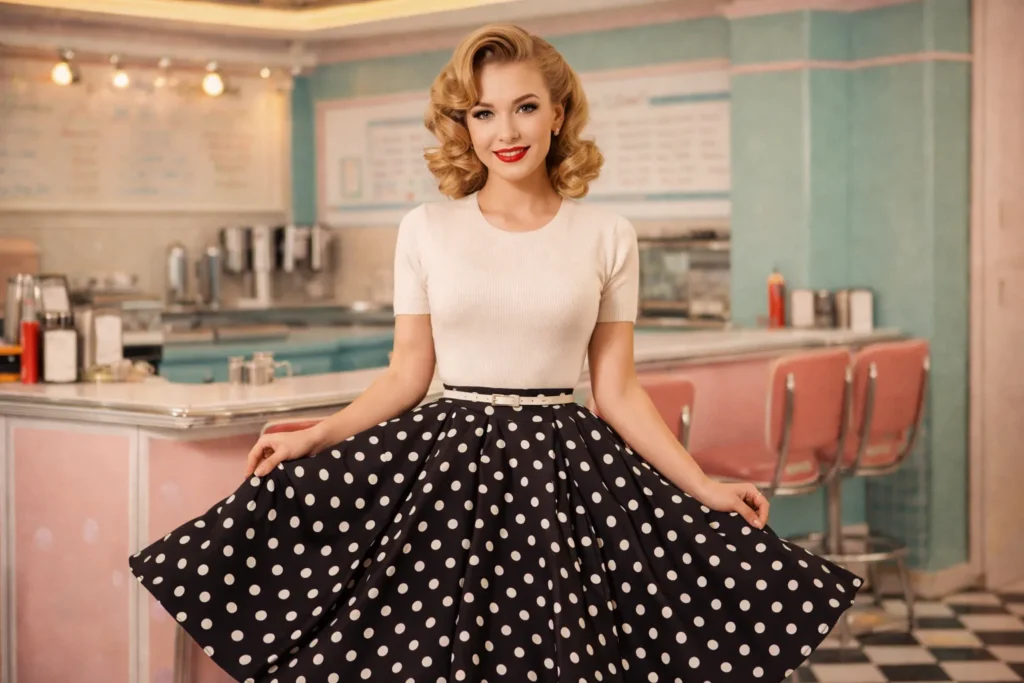
This era brought glamour and the start of rock-and-roll rebellion.
Key Silhouettes: Full circle skirts and slim pencil skirts.
Fabrics & Prints: Gingham, polka dots, novelty prints, cotton, satin, and tulle.
Iconic Pieces: Poodle skirts, saddle shoes, cropped cardigans, leather jackets, and blue jeans.
How to Style It: A full midi skirt with a fitted knit top and a thin belt creates a feminine look. For a rebel style, cuffed dark jeans with a white t-shirt and leather jacket works well.
The 1960s: Revolution and Youthquake
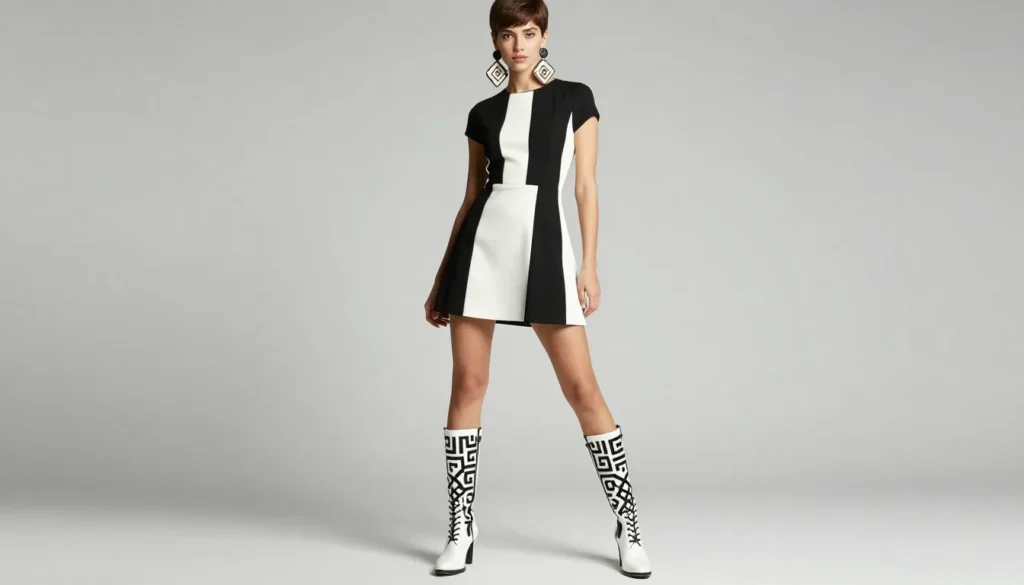
The 1960s started with polished looks and ended with mod and hippie styles.
Key Silhouettes: A-line shift dresses, mini skirts, bell-bottom pants, and turtlenecks.
Fabrics & Prints: Bold geometric prints, psychedelic patterns, PVC, and crochet.
Iconic Pieces: Mini skirts, go-go boots, shift dresses, colorful tights, and peasant blouses.
How to Style It: A black-and-white mini dress with white go-go boots gives a mod vibe, while flared jeans with a tie-dye t-shirt creates a late-60s look.
The 1970s: Disco Glam and Bohemian Spirit
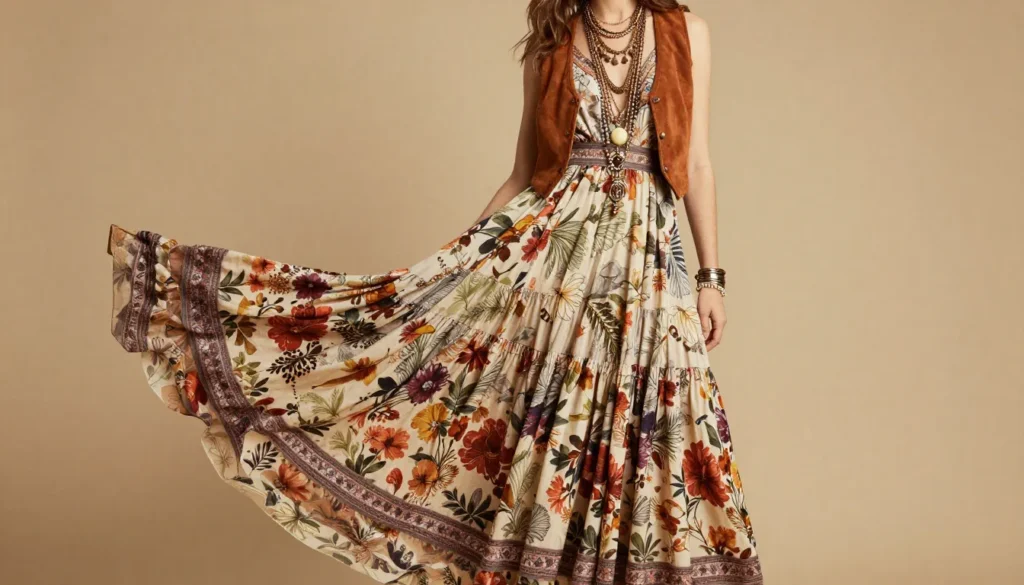
The 1970s were full of variety, from disco glam to hippie styles.
Key Silhouettes: High-waisted wide-leg trousers, maxi dresses, wrap dresses, and pant suits.
Fabrics & Prints: Denim, corduroy, suede, satin, polyester, paisley, and bold florals.
Iconic Pieces: Wrap dresses, platform shoes, high-waisted bell bottoms, fringed jackets, and peasant blouses.
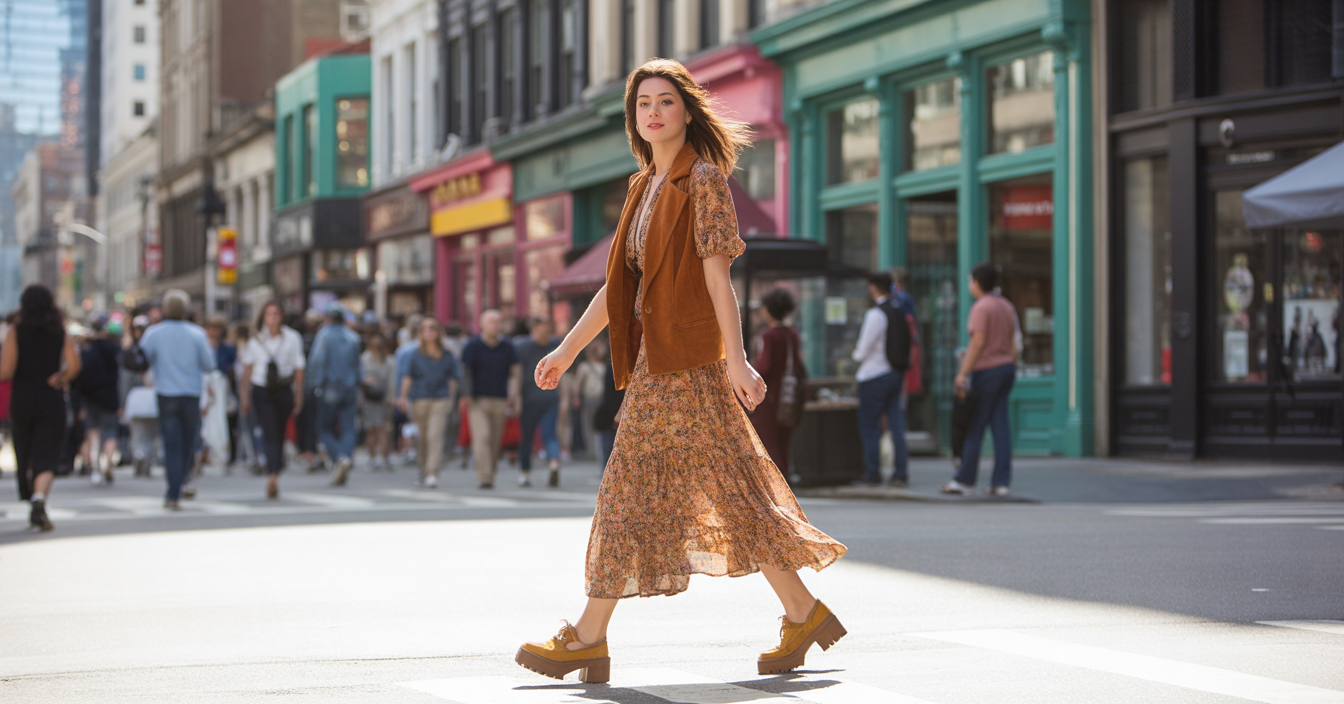
How to Style It: A flowy floral maxi dress with a suede vest and platform sandals makes a boho look, while satin flares with a sequined top create a disco-ready outfit.
The 1980s: Power Dressing and Bold Expression
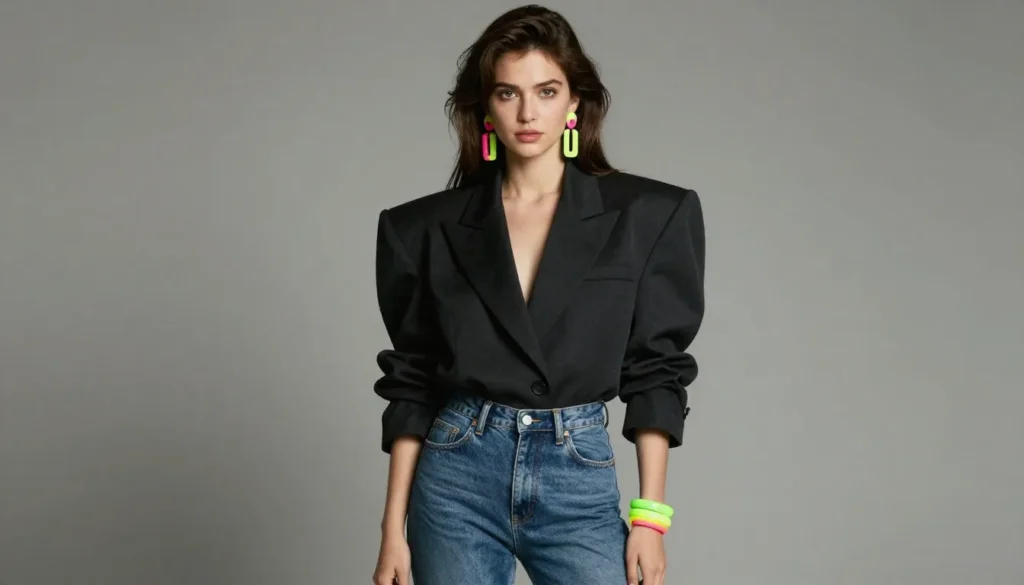
The 1980s were about making big statements with fashion.
Key Silhouettes: Shoulder pads, high-waisted “mom jeans,” oversized blazers, and mini skirts.
Fabrics & Prints: Acid-wash denim, spandex, leather, neon colors, animal prints, and graphic patterns.
Iconic Pieces: Power suits, oversized sweaters, leggings, bomber jackets, and statement t-shirts.
How to Style It: High-waisted jeans with a graphic sweatshirt and chunky sneakers for casual wear. For power dressing, pair a structured blazer with a pencil skirt and simple top.
How to Build a Vintage Outfit Without Looking Like You’re in a Costume
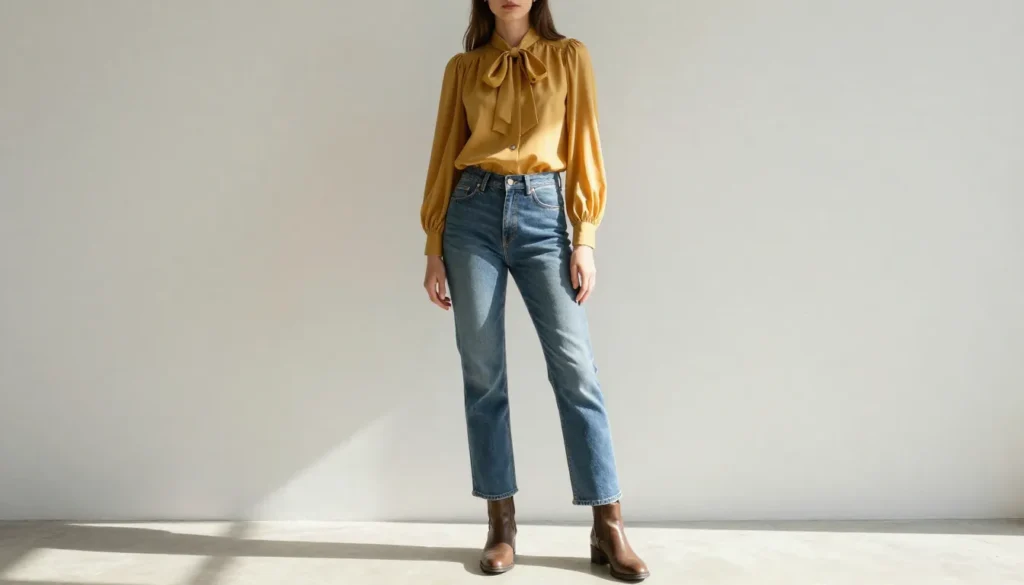
The goal of vintage styling is to feel inspired by the past while still looking modern.
The One-Piece Rule: Start with one statement vintage item, and pair it with modern basics. Example: A 1970s pussy-bow blouse with modern jeans and ankle boots.
Mix Eras Carefully: Mixing decades can work, but focus on one piece at a time or connect colors and style. Example: A 1950s circle skirt with an 1980s band t-shirt for a punk look.
Focus on Fit: Make sure vintage pieces fit you well. Tailoring a dress or skirt can make a big difference.
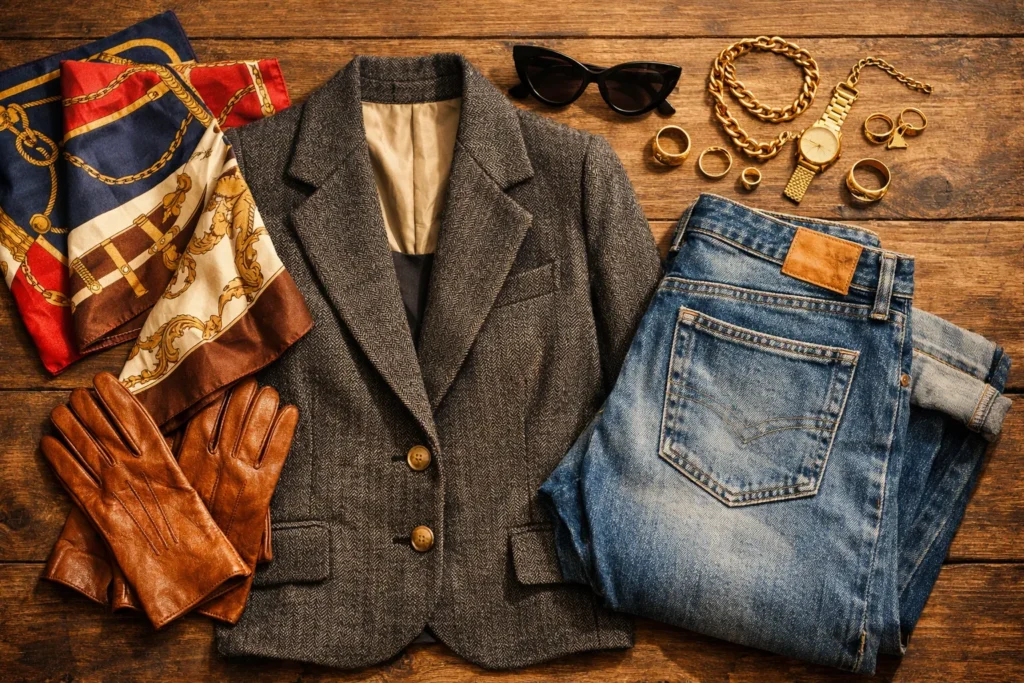
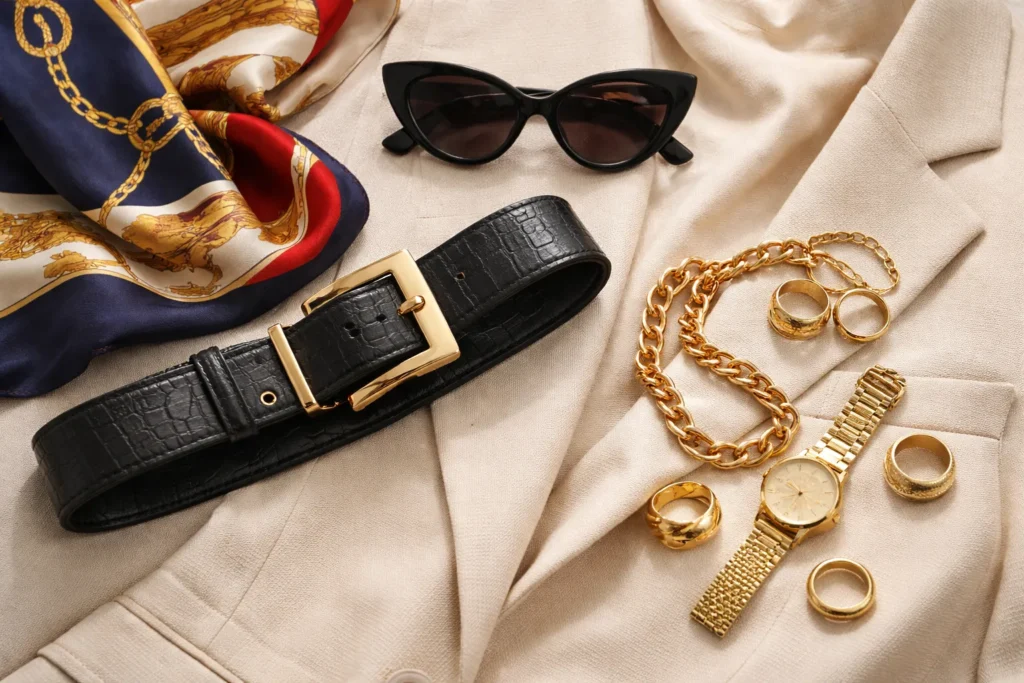
Accessorize Thoughtfully: Accessories can bring in vintage flair without overdoing it. Try a 1940s silk scarf, 1960s cat-eye sunglasses, or an 1980s chunky belt. Pairing vintage accessories with modern clothes creates a subtle, stylish effect.
Where to Find Authentic Vintage Clothing
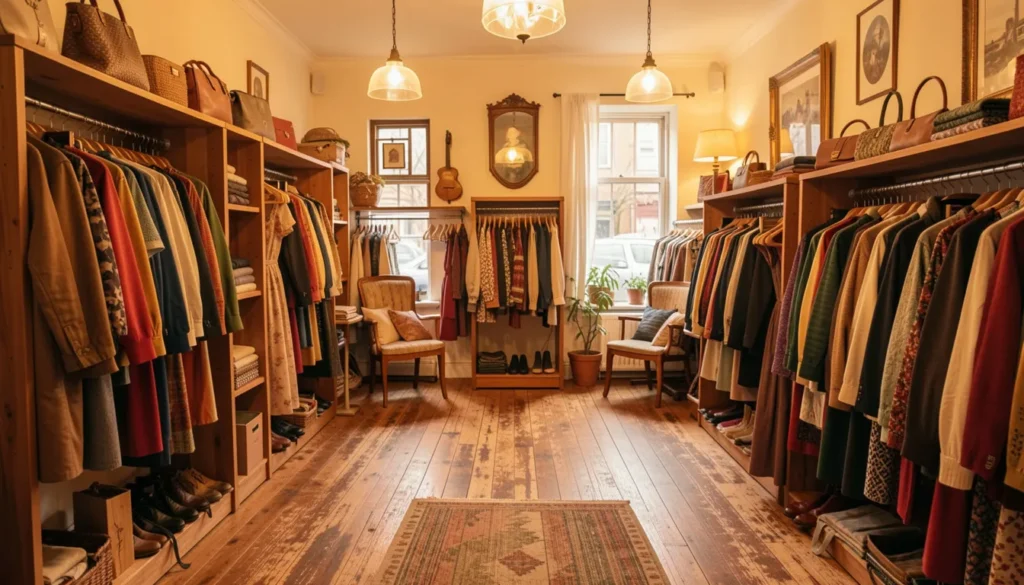
Finding real vintage pieces can be like a treasure hunt.
- Local Thrift Stores: Affordable but require patience. Hidden gems are often found here.
- Curated Vintage Boutiques: Higher prices, but quality and trend-ready items are selected for you.
- Online Marketplaces: Websites like Etsy, Depop, and eBay offer vintage clothes from sellers worldwide. Check sizes and reviews carefully.
- Flea Markets and Estate Sales: Great for unique accessories, jewelry, and antique pieces.
Conclusion
Styling vintage outfits is a fun way to celebrate fashion from the past while showing your individuality today. It highlights quality, sustainability, and creativity. You can wear a single vintage item or go head-to-toe with a look from your favorite decade. The most important thing is to wear it confidently and make it your own.
Frequently Asked Questions (FAQs)
Q1. What is the difference between “vintage” and “antique” clothing?
Vintage items are at least 20 years old but less than 100. Antique items are 100 years old or more.
Q2. How do I care for my vintage clothing?
Check the fabric. Hand wash delicate items like silk or rayon, or use a trusted dry cleaner. Always air-dry vintage clothing.
Q3. What if I can’t find vintage pieces in my size?
Focus on measurements rather than the tag. Look for vintage-inspired reproductions if needed.
Q4. Can men wear vintage outfits too?
Yes, men can wear styles from the 1950s, 1970s, and 1980s. The same mix of vintage and modern applies.
Q5. Is it okay to alter vintage clothing?
Rare or designer pieces should stay untouched. For everyday vintage, tailoring to fit you is a good idea.