What is a Size 30 Jeans in US? Your Ultimate Guide
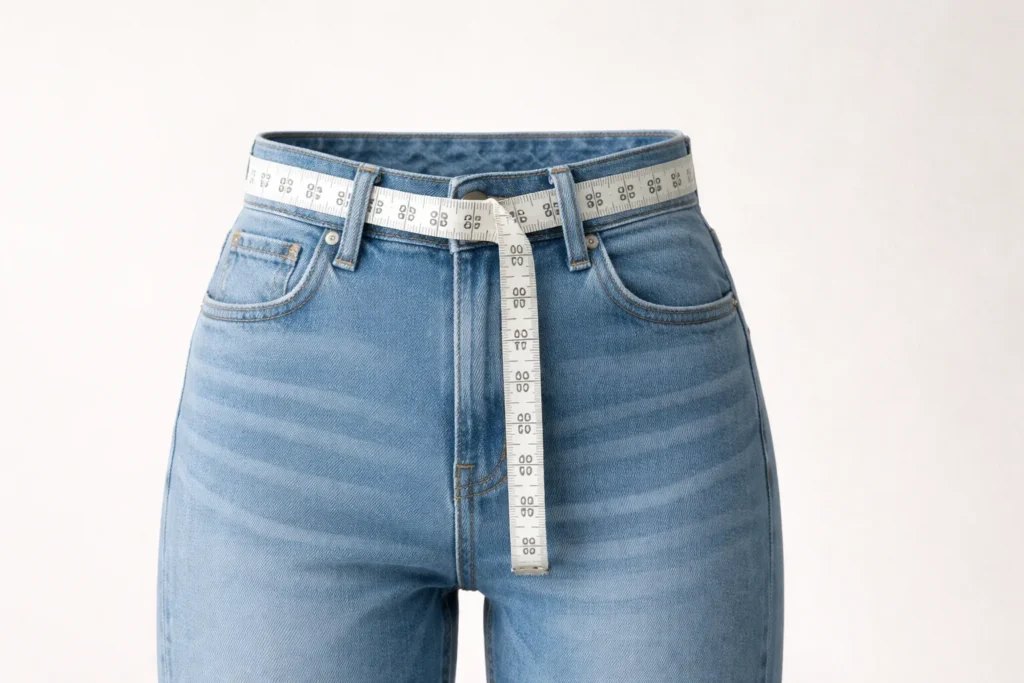
If you’ve ever been confused by denim sizing, I get it—size 30 jeans in US sizing can mean different things depending on who you’re shopping for. In this guide, I break it down in simple terms so you know exactly what a size 30 means for men and women. I also share practical tips to help you find jeans that actually fit your body, not just the label. By the end, you’ll feel confident picking the right pair every time.
Finding the right jeans isn’t always straightforward. I’ve personally struggled with inconsistent sizing, especially when switching between brands or countries. A size 30 might sound simple, but it often raises questions about fit, gender differences, and conversions. That’s exactly why I’ve put together this guide—to make things clear and practical.
Here, I’ll walk you through what size 30 jeans really mean, how sizing systems differ, and what you should check before buying. Whether you’re shopping online or in-store, these insights will help you avoid guesswork and make smarter choices.
Understanding Jean Sizing: The Basics
Before focusing on size 30, I always like to understand how jean sizing works overall. In the US, there are two main systems, and knowing the difference makes shopping much easier.
The first system is waist and inseam sizing, often written as W/L. I see this mostly in men’s jeans, where the waist is measured in inches and paired with a length. The second system is numeric sizing, which is more common in women’s fashion and doesn’t directly reflect exact measurements.
Vanity sizing plays a big role in women’s jeans. Over time, brands have adjusted sizes to make them more appealing, which means the same number can vary widely. That’s why relying only on the label can be misleading.
What Does a Men’s Size 30 Jeans in US Mean?
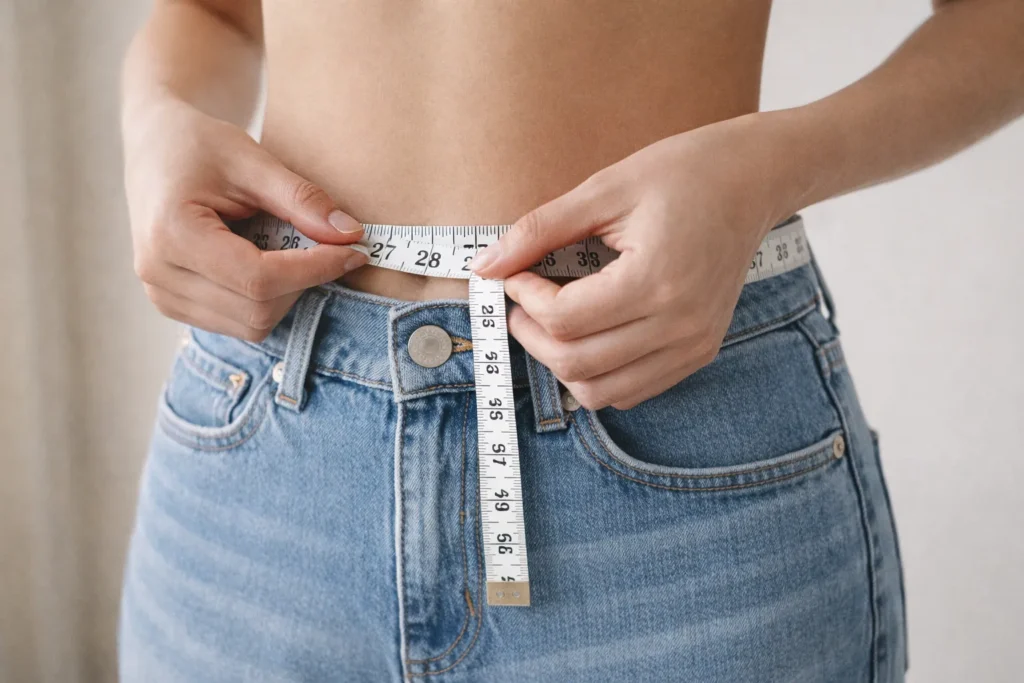
For men, a size 30 is pretty simple and consistent. It usually means the jeans are made for someone with a 30-inch waist. I find this system much easier to work with compared to women’s sizing.
When I shop for men’s jeans, I always look for labels like 30×32 or 30×34. The first number tells me the waist size, while the second indicates the inseam length. This combination helps narrow down both fit and length quickly.
How to Measure for a Men’s Size 30
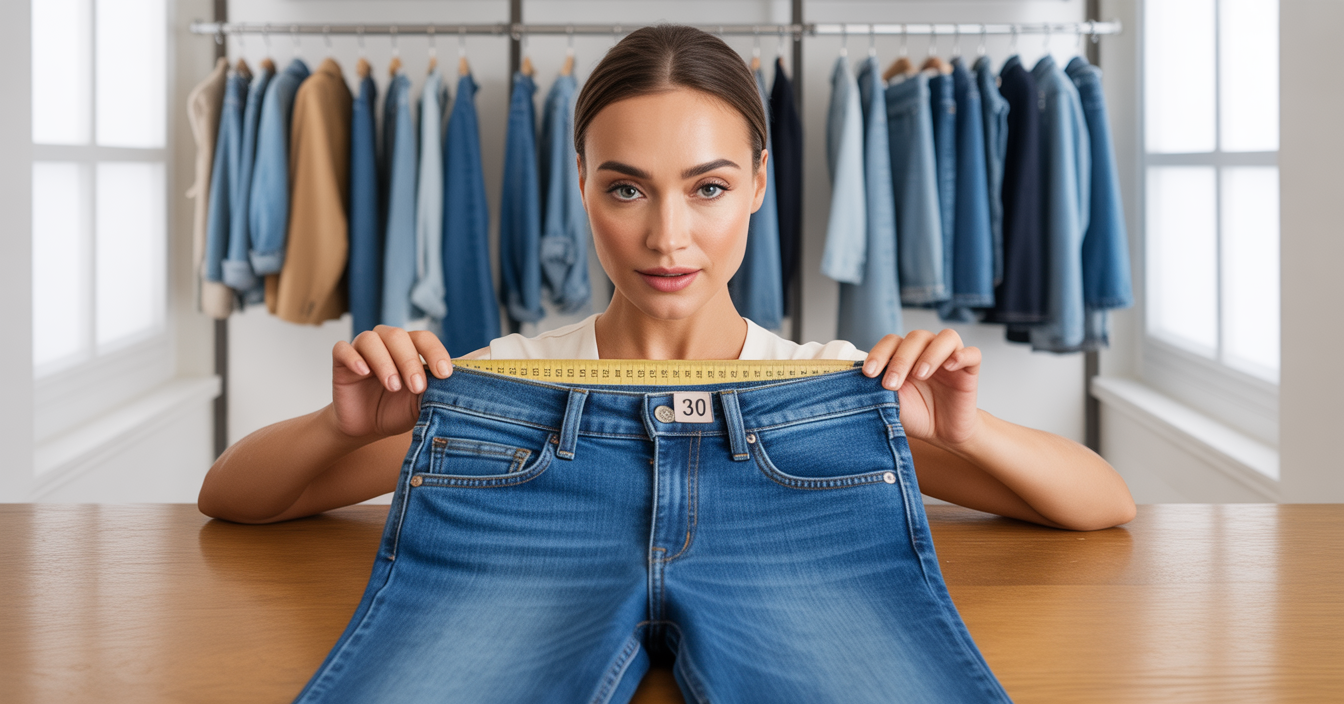
Getting accurate measurements is key. I always start by measuring my natural waist, which sits slightly above the belly button. Keeping the tape snug but not tight gives the most reliable result.
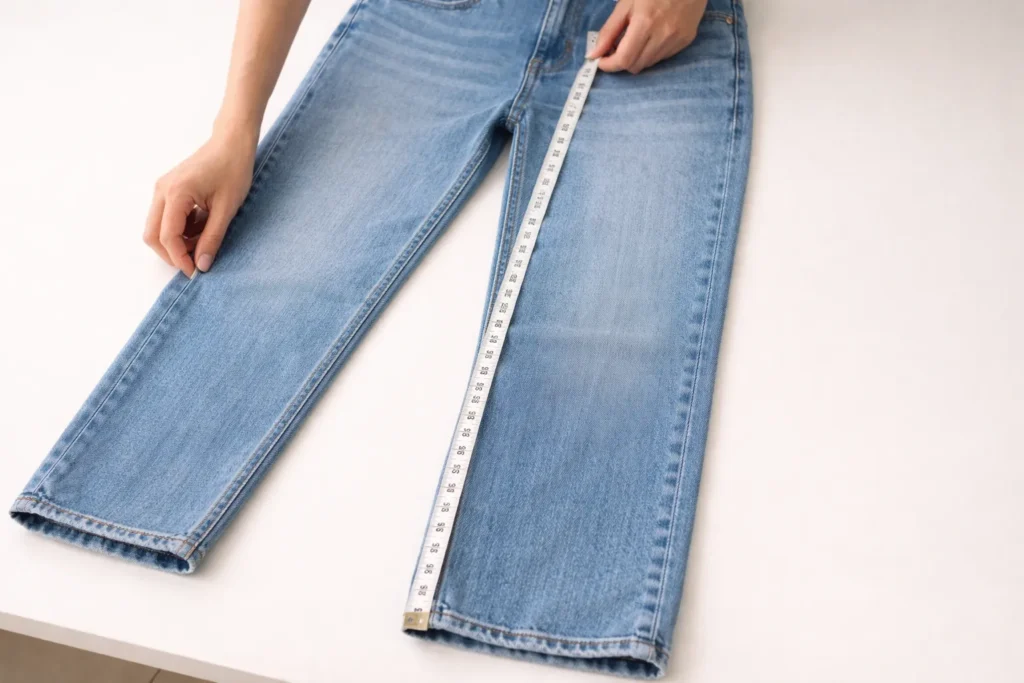
For inseam, I usually measure a pair of jeans that already fits well. Laying them flat and measuring from the crotch to the hem gives a clear idea of the right length. This saves time and reduces returns.
Once I have both numbers, choosing the correct size becomes much easier. It also helps when trying different brands with slightly different cuts.
International Conversion for Men’s Size 30
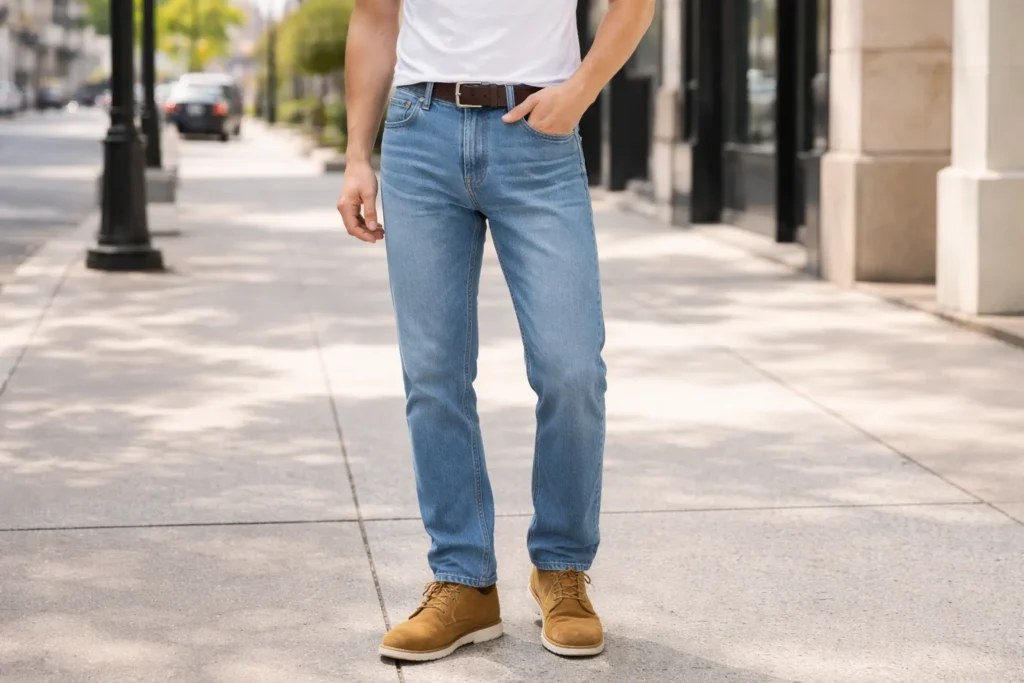
When shopping globally, I’ve noticed sizing can vary, so conversions are helpful. A US size 30 usually translates to a European size 40, which is roughly half the waist measurement.
UK sizing tends to match US sizing more closely. So if I’m buying from a UK brand, I can usually stick with size 30 without worrying too much about conversion.
Even with these guidelines, I still recommend checking the brand’s size chart. It’s a small step that can prevent a lot of frustration.
What Does a Women’s Size 30 Jeans in US Mean?
Women’s size 30 is where things get a bit tricky. From my experience, it can either mean a 30-inch waist or relate to a numeric size like 10, depending on the brand.
Many modern denim brands now use waist-based sizing similar to men’s. In those cases, a size 30 is straightforward and corresponds directly to inches. But traditional sizing still exists, which is why confusion happens.
If you’re unsure, I always suggest checking both the waist measurement and the brand’s conversion chart. It’s the best way to avoid surprises.
Women’s Size 30 Conversion Chart (Approximate)
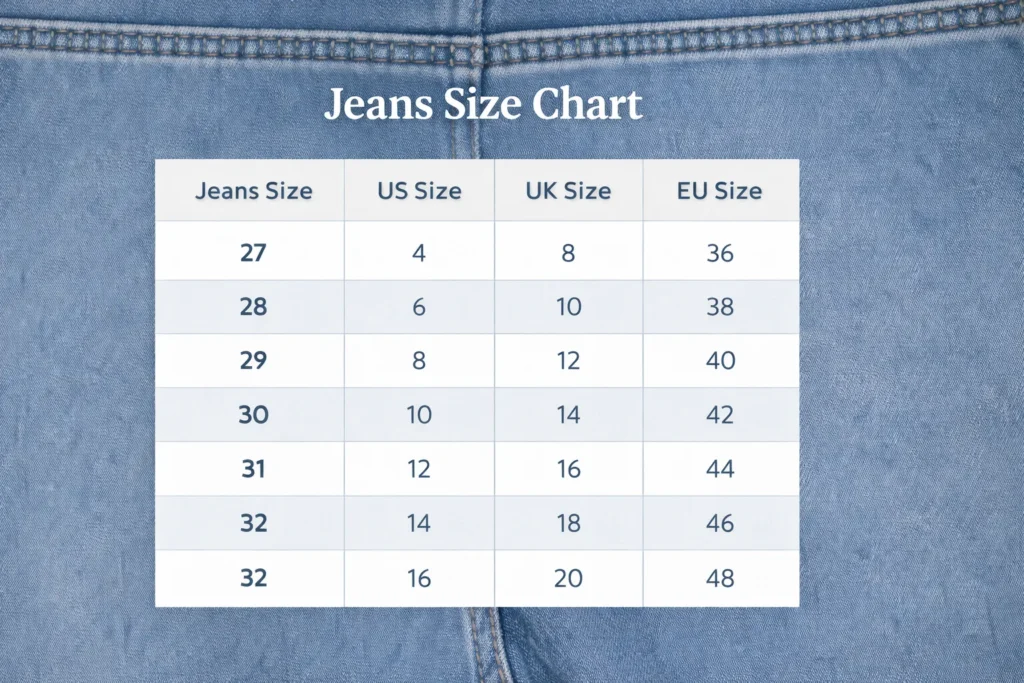
In most cases, I’ve found that a 30-inch waist aligns with a US size 10, a UK size 14, and an EU size 42. These numbers are helpful as a starting point but aren’t exact across all brands.
Sizing differences can be significant, especially in women’s fashion. That’s why I never rely solely on conversion charts without double-checking measurements.
How to Measure for a Women’s Size 30
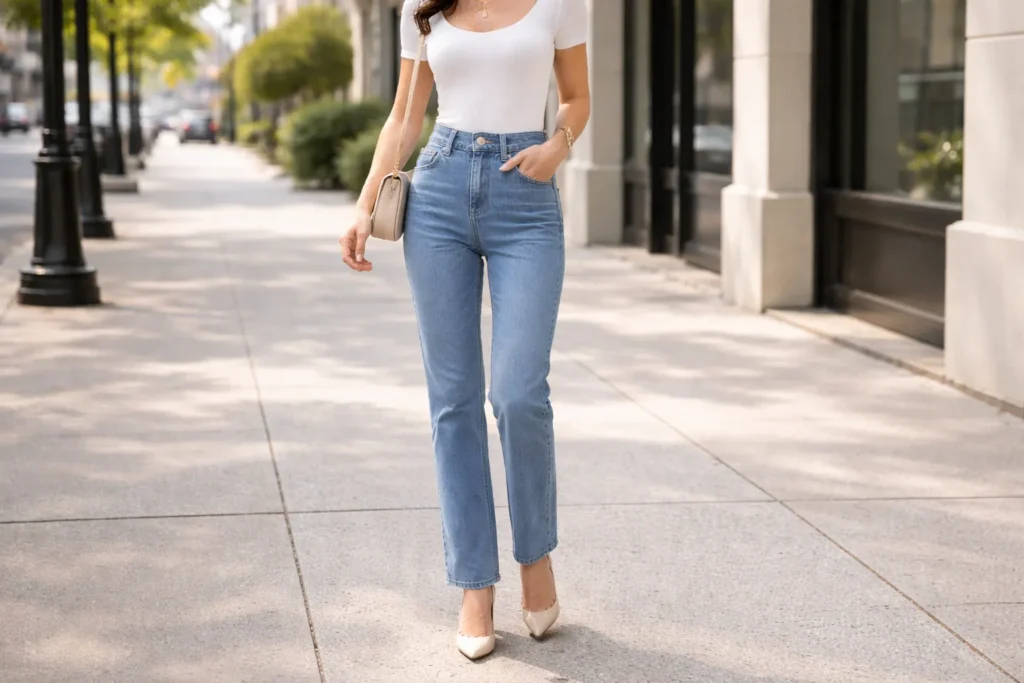
For women, I always recommend measuring more than just the waist. Start with your natural waistline to confirm if it’s close to 30 inches.
Next, measure the hips at the fullest point. This step is crucial because jeans need to fit comfortably around the hips and thighs, not just the waist.
I also pay attention to the rise of the jeans. Whether it’s high-rise or low-rise affects how the jeans sit and feel, which can change the overall fit even if the size is correct.
The Importance of Fabric and Cut
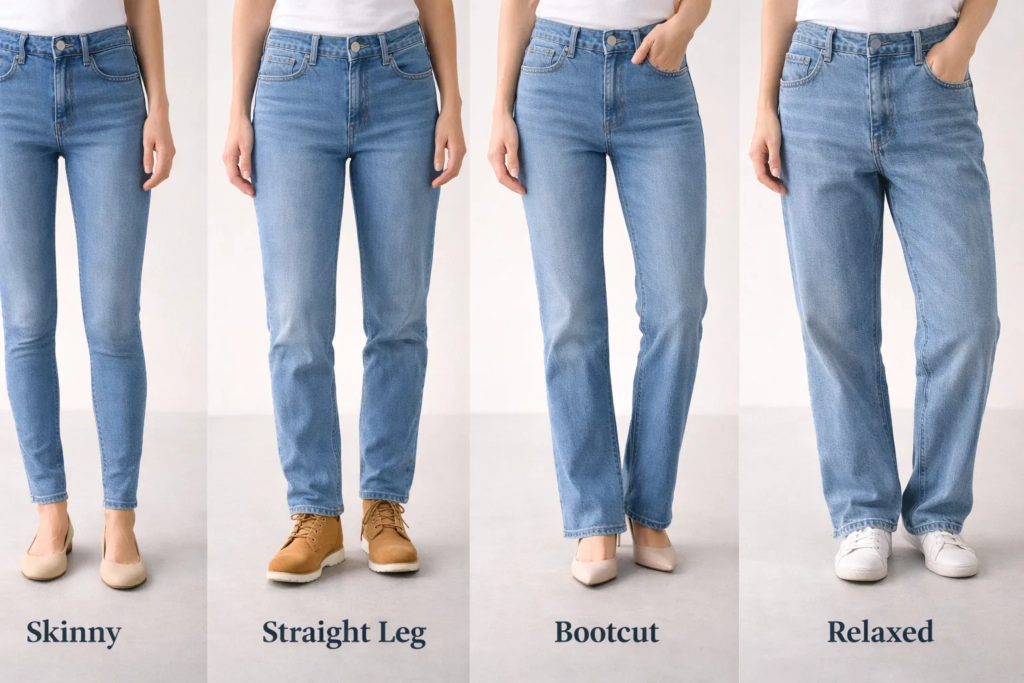
In my experience, the label “size 30” doesn’t tell the whole story. The material and design of the jeans can completely change how they fit.
Fabric Composition
Rigid denim made from 100% cotton usually feels tight at first. I’ve noticed it softens and shapes to the body over time, so patience is key with these.
Stretch denim is more forgiving. With a bit of elastane, it offers flexibility and comfort, which makes everyday wear easier.
High-stretch fabrics are the most adaptable. I often recommend these if you want a snug fit without sacrificing comfort.
Popular Jean Cuts
Different cuts also impact how size 30 fits. Skinny jeans hug the body closely, while straight-leg styles offer a more balanced fit.
Bootcut jeans add a slight flare, which works well with certain outfits. Relaxed or boyfriend styles provide extra room, making them great for casual wear.
I always suggest trying different cuts to see what suits your body shape best. The same size can feel completely different depending on the style.
Tips for Shopping for Size 30 Jeans
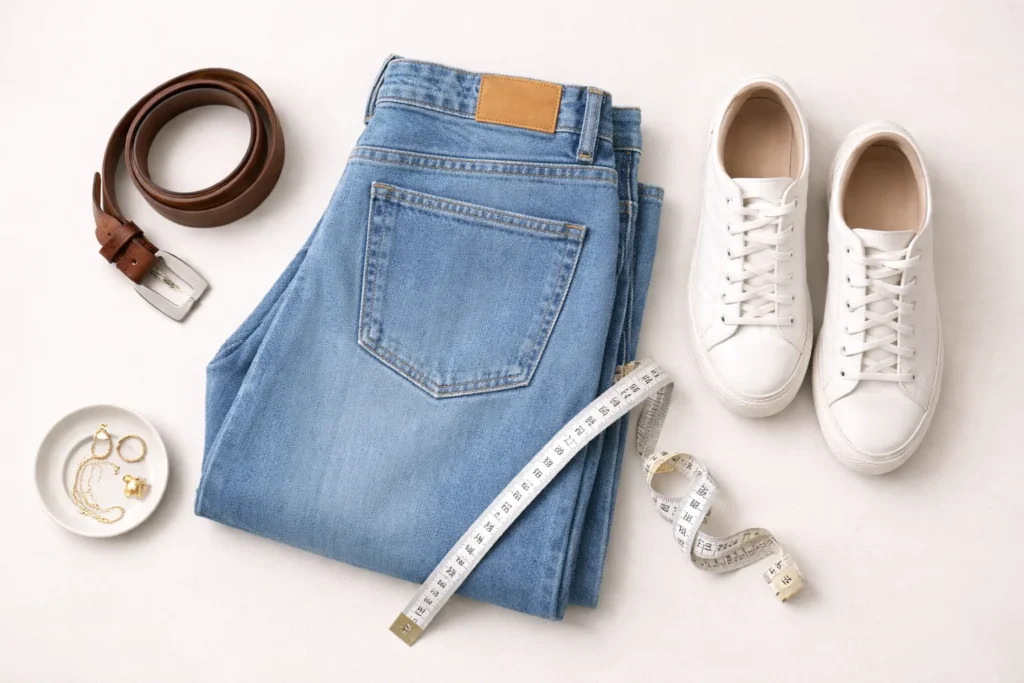
When I shop for jeans, I rely on a few simple strategies that make a big difference. First, I always keep my measurements handy—it saves time and guesswork.
I also make it a habit to read size charts for every brand. Even if I’ve bought from them before, sizing can change.
Customer reviews are another helpful resource. They often reveal whether jeans run small, large, or true to size.
If I’m shopping online and unsure, I sometimes order two sizes and return one. It’s a practical way to find the best fit without compromise.
Key Takeaways
Size 30 in men’s jeans typically means a 30-inch waist
Women’s size 30 can mean a 30-inch waist or a US size 10
Always measure your waist, hips, and inseam before buying
Fabric and stretch significantly affect how jeans fit
Different cuts can change the overall feel of the same size
Checking size charts and reviews helps avoid sizing mistakes
Conclusion
A size 30 jeans in US sizing can mean different things depending on whether you’re shopping for men or women. For men, it’s usually a clear 30-inch waist, while for women, it may also align with a numeric size like 10.
From my experience, the key to finding the right fit is understanding your measurements and paying attention to fabric and cut. Once you do that, denim shopping becomes much less stressful.
With the tips in this guide, you’ll be better prepared to choose jeans that actually fit and feel good.
Frequently Asked Questions (FAQs)
1. Is a size 30 in jeans a medium?
From what I’ve seen, yes—a 30-inch waist usually falls into the medium category for both men and women. However, sizing labels can vary slightly by brand.
2. Is a women’s size 30 the same as a size 10?
In many cases, it is. I’ve found that a 30-inch waist often matches a US size 10, but it’s always best to confirm with the brand’s sizing guide.
3. Do size 30 jeans stretch over time?
It depends on the fabric. Pure cotton jeans tend to stretch and mold to your body, while stretch denim offers flexibility but returns to shape after washing.
4. What is the difference between a women’s 30 and a men’s 30 in jeans?
Even though both refer to a 30-inch waist, the fit is very different. Women’s jeans are shaped to accommodate curves, while men’s jeans have a straighter cut and more room in certain areas.