
Master the Art of Professional Fits for Any Workplace

Getting dressed for work doesn’t have to be stressful. By building a versatile wardrobe of well-fitted, high-quality pieces, you can look confident, professional, and stylish every day. From understanding modern dress codes to creating a capsule wardrobe, this guide covers everything you need to master your office outfits.
Why Your Work Wardrobe Matters
The Psychology of Dressing Well
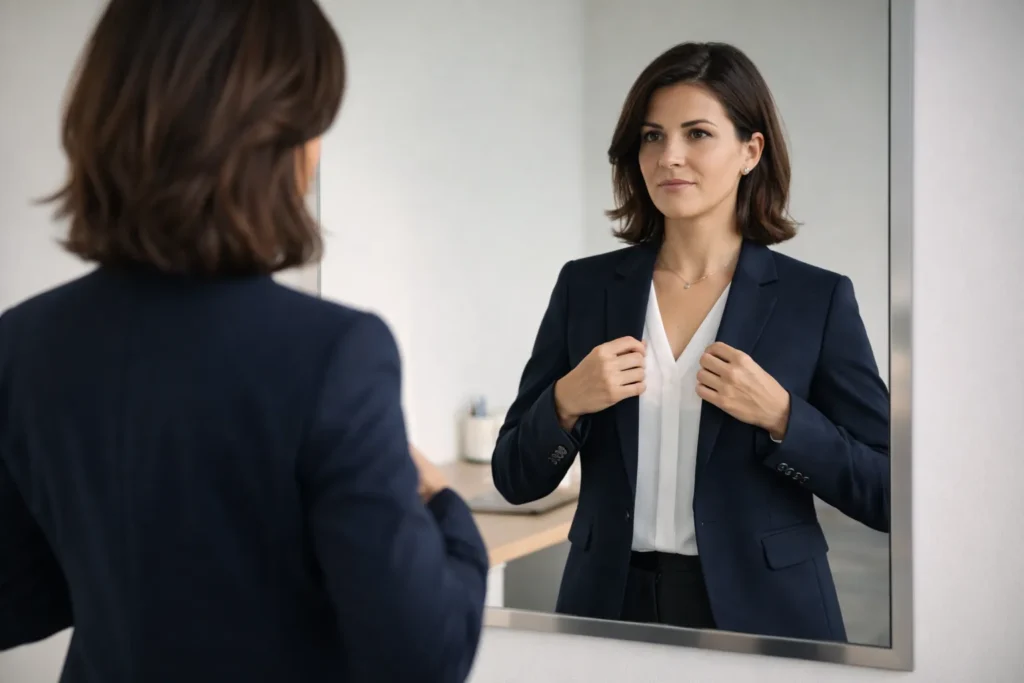
I’ve noticed that the clothes I wear shape how I feel and perform. Research in enclothed cognition shows that dressing sharply can boost focus and confidence. When I wear tailored, polished outfits, I naturally feel more capable and authoritative, which carries over into my workday.
Making a Lasting First Impression

People judge you almost instantly, and your outfit plays a huge role. Walking into a meeting in a well-put-together outfit sends a clear message: you’re serious, reliable, and professional. Even simple details like matching colors and polished shoes can reinforce your credibility immediately.
Decoding Modern Dress Codes

Business Professional
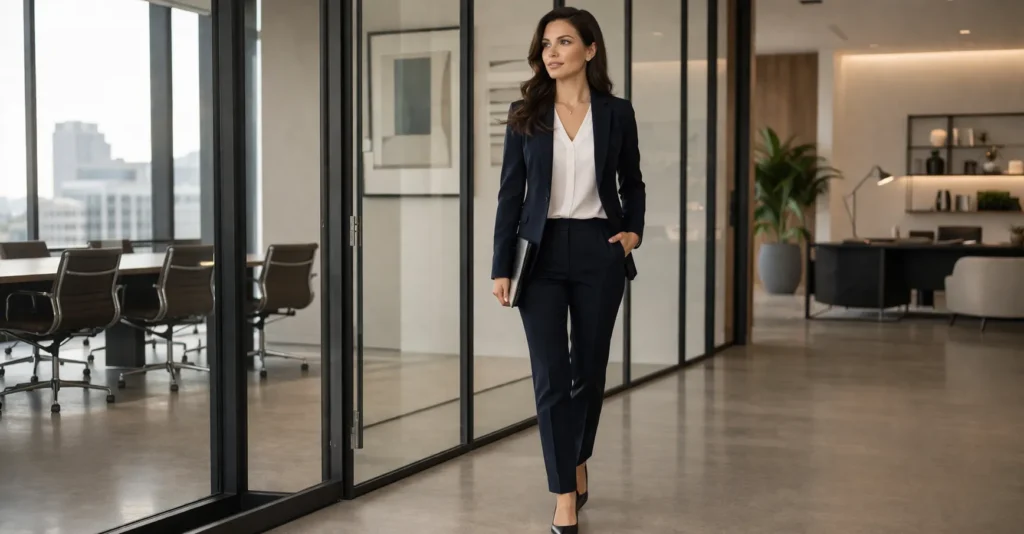
This is the most formal style, common in law, finance, and corporate headquarters. For men, it’s a matching suit, crisp shirt, and tie. For women, think tailored pantsuits, skirt suits, or dresses with a blazer. Stick to neutral colors like navy, black, or gray, and opt for closed-toe shoes such as oxfords or pumps.
Business Casual

Business casual offers flexibility without losing polish. Pair tailored blazers with chinos or sweaters over collared shirts. Women can wear midi skirts, trousers, or structured blouses. You can add subtle patterns and colors, but shoes should remain neat—loafers, flats, or sleek boots work well.
Smart Casual
Common in startups and creative industries, smart casual blends everyday wear with professional touches. Dark, fitted jeans can be paired with blazers or crisp shirts. Clean, minimalist sneakers are fine if kept pristine. Avoid baggy, torn, or overly casual pieces to maintain a polished look.
Essential Pieces for Building Professional Fits
The Tailored Blazer

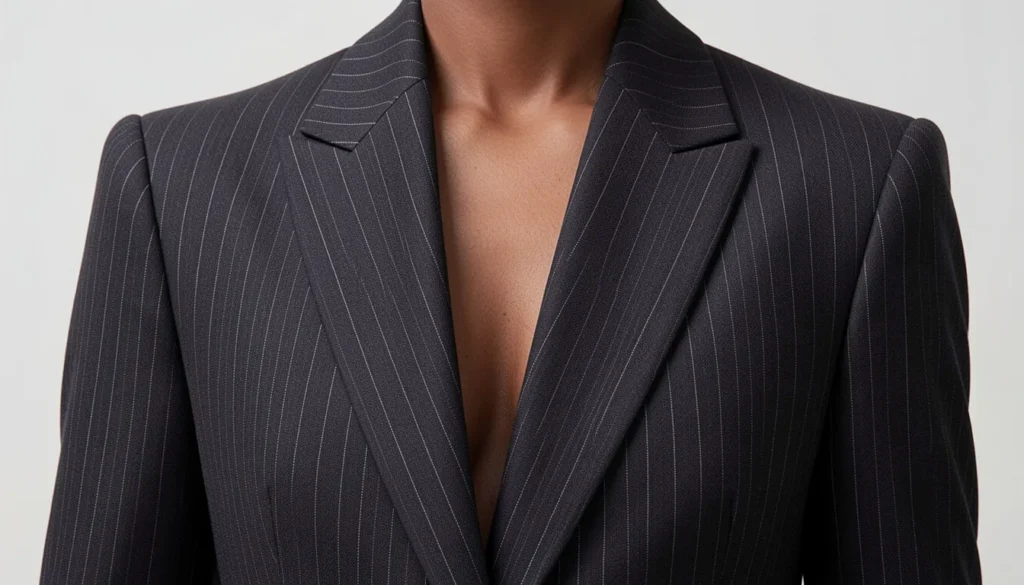
A blazer is my go-to for instantly elevating any outfit. I look for wool or cotton blends in navy or charcoal. Proper fit is key—the shoulders should align perfectly, and sleeves should end at the wrist bone.
High-Quality Trousers

I rely on straight-leg or slightly tapered trousers for both comfort and style. Wool blends with a bit of stretch prevent wrinkles and ensure I look sharp all day. Keeping black, navy, and camel trousers in rotation makes outfit planning easier.
Crisp Button-Down Shirts
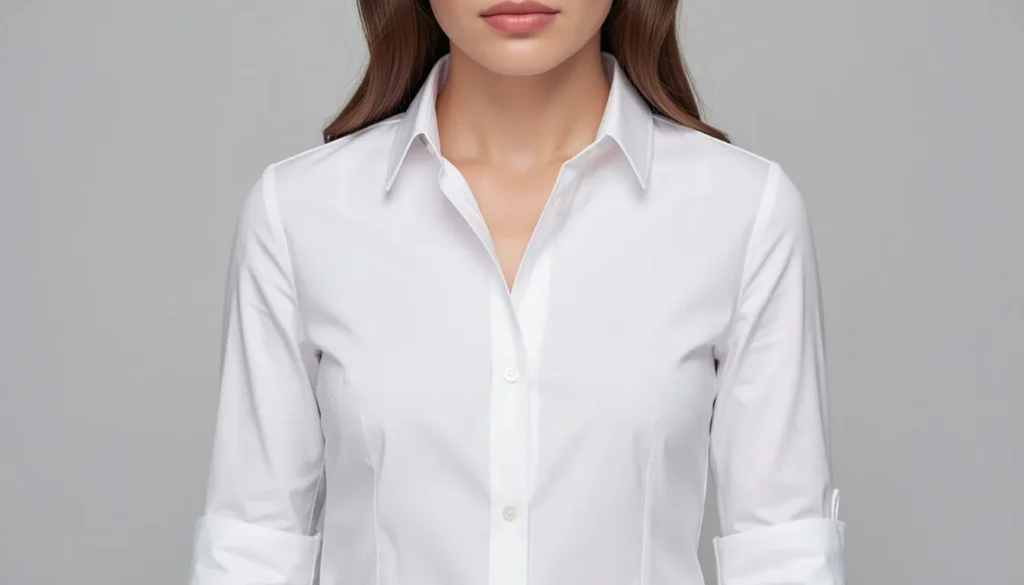
A well-fitted button-down is non-negotiable. I start with classic white and light blue options in breathable cotton. They work alone, under sweaters, or tucked into tailored trousers, always giving a polished look.
Versatile Footwear Options
Shoes can make or break an outfit. I choose black or brown oxfords, pumps, loafers, and clean boots depending on the dress code. Keeping them polished is essential—scuffs instantly detract from the rest of the outfit.
How to Build a Workwear Capsule Wardrobe
Choose a Neutral Color Palette
A small, interchangeable wardrobe is easier when everything matches. I stick to black, navy, gray, white, and beige as a base. From there, I add seasonal accent colors in ties, scarves, or blouses for variety.
Invest in High-Quality Fabrics
Natural fabrics like merino wool, cotton, and linen last longer and feel better. They resist pilling and wear, unlike cheaper synthetics, so my favorite pieces stay fresh for years.
Mix and Match Strategies
I maximize my wardrobe by pairing pieces creatively. My gray trousers can pair with a navy blazer, while a white shirt works under a sweater or alone with a statement belt. Even a 15-piece capsule can produce dozens of unique outfits.
Styling Tips for a Flawless Look
The Importance of Tailoring
Fit is everything. A well-tailored $50 garment looks better than an ill-fitting $500 one. I always get trousers hemmed, waists adjusted, and sleeves shortened for the perfect fit.
Emphasize Proportions
Balancing volume creates a flattering silhouette. Wide-leg trousers pair with fitted tops, while slightly oversized blazers require slim pants. This prevents any piece from overpowering the outfit.
Elevating Your Look with Accessories
Watches and Minimalist Jewelry
A classic analog watch and simple jewelry, like small hoops or delicate chains, add sophistication without being distracting. They’re the finishing touches that make an outfit feel complete.
Professional Bags and Briefcases
I swap bulky backpacks for structured leather bags or totes in black, brown, or tan. They carry essentials while maintaining a polished, professional look.
Common Workwear Mistakes to Avoid
Wearing Wrinkled or Stained Fabrics
Wrinkles and stains instantly make an outfit look sloppy. I prep clothes the night before using an iron or steamer and check for small imperfections to ensure a neat appearance.
Choosing Overly Casual Items
Even with relaxed dress codes, gym clothes, flip-flops, or overly casual outfits are never acceptable. I always keep a baseline of professionalism, regardless of office culture.
Key Takeaways
- Dressing well affects mindset, productivity, and perception.
- Understand your office’s dress code and invest in core pieces like blazers, trousers, and button-downs.
- A capsule wardrobe saves time and money while creating multiple outfit options.
- Tailoring and balanced proportions elevate any outfit.
- Accessories should be subtle yet functional to complete a professional look.
Conclusion
Mastering professional fits takes effort, but it’s worth it. By focusing on high-quality fabrics, versatile neutrals, and proper tailoring, I’ve simplified my mornings and boosted my confidence. A strong work wardrobe allows me to walk into any meeting or presentation knowing I look polished and capable. Start building your essentials today and watch the positive impact on your career.
Frequently Asked Questions (FAQs)
1. How many suits should I own for a business professional office?
I recommend at least three: navy, charcoal gray, and black. Rotating them gives fabrics time to rest, extending their lifespan.
2. Are jeans acceptable for a business casual dress code?
Typically not. Chinos, dress pants, and skirts are safer. If allowed, stick to dark, clean denim with no distressing.
3. How can I make my work clothes last longer?
Wash less frequently, use cold water, and avoid the dryer. Always hang clothes on wooden hangers to maintain shape.
4. Is it okay to wear bright colors to the office?
Yes, but in moderation. Use neutral tones for the base and add color through ties, scarves, or accent pieces for a professional yet lively look.